What To Do When a Client Won't Pay Their Invoice
Stop sending polite follow-ups. If a B2B client hasn't paid after 30 days and two reminders, politeness is no longer a strategy. Here's the exact 5-step sequence that works.
Munich. A very private club, where the new doorman is Big Terry. House rule number one, engraved on the wall: never pay on time.
Konstantin von Albrecht chairs Feinkost Albrecht GmbH, fourteen delis in Munich, and pays his suppliers in year two. Ana Ferrer runs a family olive-oil business in Tarragona. She is owed €62,000, and she has read the house rules too.
Trick one: "We never received it." Counter: signed proof of delivery, and an invoice that carries the customer's PO number.
Trick two: "Next payment run." Counter: ask for the date, in writing. A dated promise is evidence.
Trick three: "The oil was cloudy." Counter: a first complaint on day 58, after goods were received in good condition, is a stall, not a dispute.
Trick four: "We can wait." Counter: know the limitation period (in Germany, three years counted from the end of the year) and act well before it ends.
Then Ana stopped arguing and filed a European Payment Order: one form, one court in Berlin, for uncontested cross-border claims inside the EU. No hearing. The debtor has 30 days to object. Konstantin was busy. The house rules were amended, and Ana was paid in full on day 74.
Ana's rules: 1. Paper trail before you ship. 2. Get the payment date in writing. 3. A late complaint is a stall. 4. Watch the limitation clock. 5. Cross-border in the EU? File the EPO.
A Collecty film. © Collecty, www.cllcty.com. Reproduction without permission is not allowed. All characters are fictional. This film is general information, not legal advice.
Stop sending polite follow-ups. If a B2B client hasn't paid after 30 days and two reminders, politeness is no longer a strategy. Here's the exact 5-step sequence that works.

Your contract determines whether a €200K invoice is recoverable or worthless before the debtor even goes silent. These 6 clauses are the ones that matter.

Cash flow is the obvious answer. It is rarely the only one. Disputes, internal politics, currency traps, and strategic default all drive non-payment — and each needs a different fix.

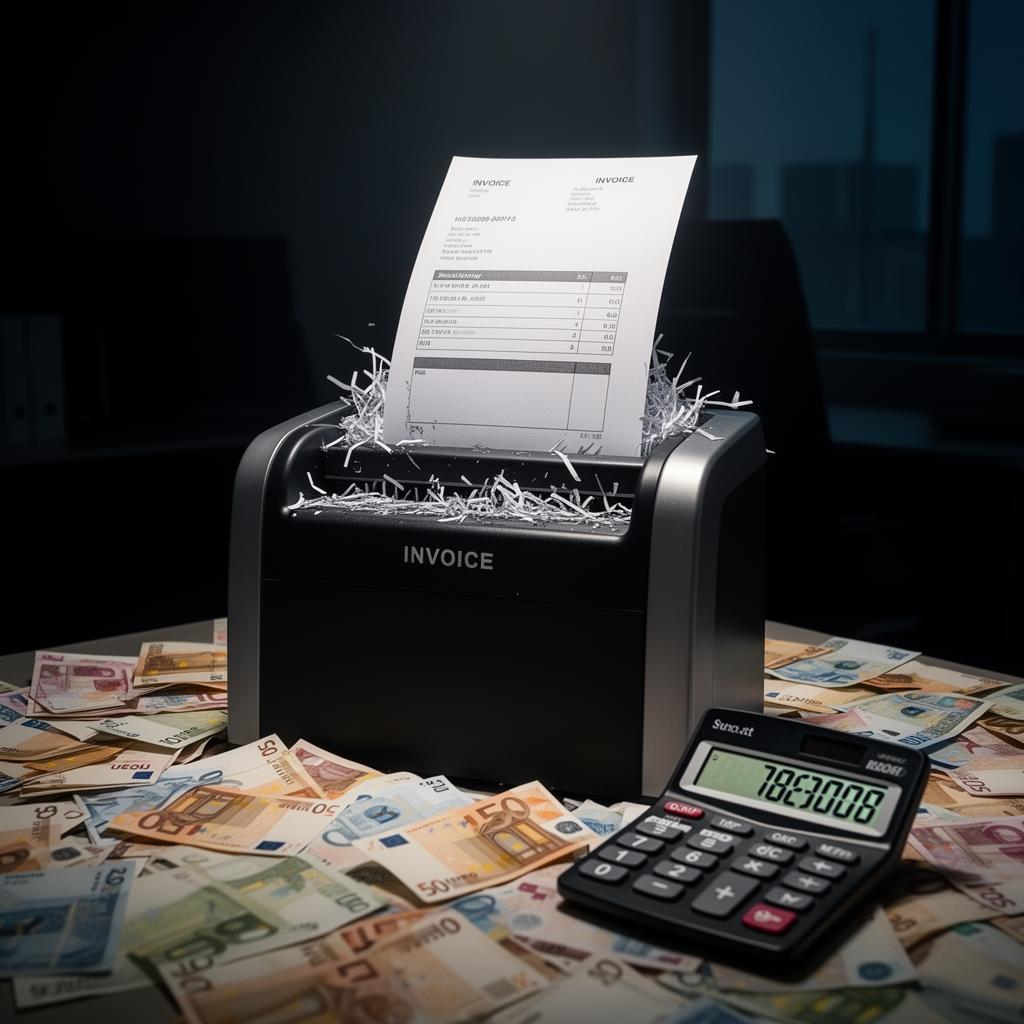
A €100K write-off doesn't cost €100K. It costs €1M+ in new revenue, 260 hours in wasted time, and damages your pricing power. Here is the math most CFOs skip.

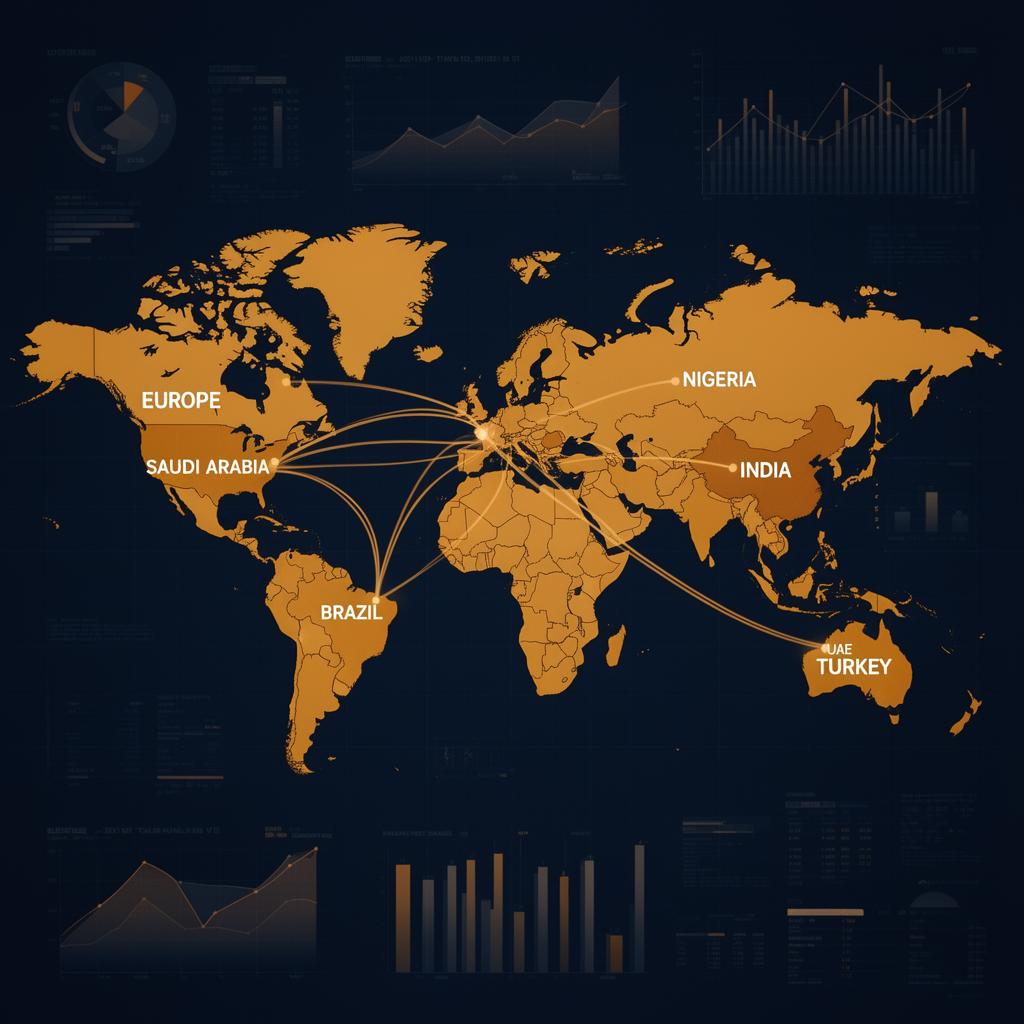
Brazil, Saudi Arabia, Nigeria, India, China, UAE, Turkey — each has unique legal and cultural traps that kill invoice recovery. Here is what actually works in each one.

After 90 days, unpaid B2B invoices lose over 50% of their recoverable value. Learn the data behind the cliff, the psychology driving it, and the exact timeline to act.

Virtual CFOs demand cash flow accuracy. But if your collections are manual, their forecasts are fiction. Here's how to close the gap.

Mastercard's Virtual C-Suite leads with cash-flow risk detection. Here's what that means for B2B companies managing receivables.

CFOs see the AR problem clearly. They can't fix it — collections is operational, not strategic. Here's what actually works.

Germany hit 24,064 insolvencies in 2025 — one every 20 minutes. What exporters must know about protecting receivables in this crisis.

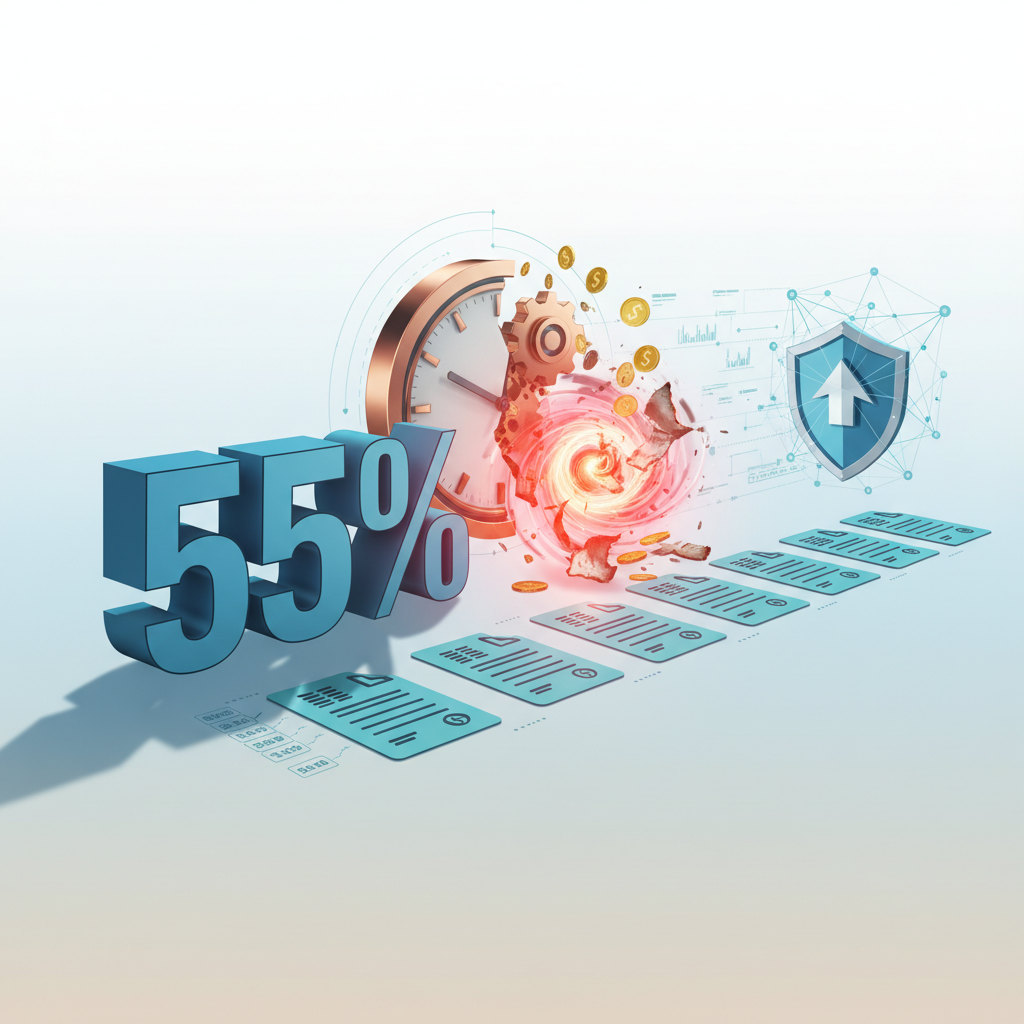
Data breakdown: 55% of B2B invoices are overdue, costing $39,406 per year. Recovery drops from 95% to 29% over 12 months.

U.S. construction loses $280B annually to slow payments. 82% of contractors wait 30+ days. UK sees 3,912 insolvencies. The data, explained.