The Call That Changed Everything
The modern executive suite is facing an unprecedented talent crisis. For years, the traditional Chief Financial Officer was an immovable fixture, but today’s reality is defined by high-velocity turnover and escalating compensation requirements. When a $300,000-a-year finance leader departs, it creates a strategic vacuum that internal teams often struggle to fill. This volatility has ushered in the fractional revolution, allowing companies to secure elite institutional knowledge without the prohibitive overhead of a full-time C-suite executive.
While the transition to a virtual CFO often solves strategic reporting gaps, it frequently exposes deep operational rot in the Accounts Receivable department—specifically regarding aging capital that remains uncollected.
The Numbers Behind the Shift
The economic migration toward outsourced finance leadership is grounded in rigorous fiscal logic. As the market approaches a $10 billion valuation, mid-sized enterprises are pivoting toward variable-cost expertise over fixed-cost liabilities. This structural shift provides SMEs with sophisticated modeling and risk assessment tools that were once reserved for the Fortune 500. However, the efficacy of these experts is inherently capped by the quality of the data they receive from internal billing departments.
- Scale Advantage: Fractional experts bring cross-industry insights gleaned from diverse portfolios.
- Capital Efficiency: Reducing CFO spend by up to 70% allows for aggressive reinvestment in growth.
- Operational Friction: The primary barrier to accurate forecasting remains a chronic lack of collection predictability.
The Visibility Problem
Strategic financial planning is only as robust as its underlying cash flow assumptions. For a virtual CFO, the inability to predict exactly when capital will hit the bank accounts creates a "fictional" forecast. When industry-standard invoices are paid 15 days past their due date, the entire modeling infrastructure begins to collapse. Without real-time visibility into payment behavior, the CFO’s ability to advise on capital allocation, hiring, and expansion is severely compromised by administrative delays.
"A cash flow forecast built on unpredictable collections is just a creative writing exercise with a spreadsheet attached."
What Virtual CFOs Actually See When They Log In
Senior finance professionals frequently encounter fragmented AR ecosystems characterized by a lack of systematic follow-up. Typical operational gaps include an absence of escalation logic, inconsistent communication with past-due accounts, and zero differentiation between strategic partners and chronic late-payers. This lack of transparency forces strategic leaders to spend their time "detecting" problems rather than solving them.
The Gap Between Strategy and Execution
We are witnessing a widening chasm between high-level financial strategy and low-level operational execution. Organizations are investing heavily in digital transformation for reporting while leaving the actual collection of cash to manual, antiquated processes. To bridge this gap, companies must implement intelligent automation that matches the sophistication of their virtual CFO.
- Predictive Intelligence: Identifying late-payment patterns before the invoice matures.
- Smart Escalation: Automated, multi-channel communication strategies that scale without headcount.
- Real-Time Dashboards: Providing external leaders with immediate, reliable data on liquid capital.
Why the Virtual CFO Model Amplifies the Problem
Proximity often masks dysfunction. In a traditional office setting, a full-time CFO might use their physical presence to manually push a stagnant collections team. The virtual model eliminates this informal safety net. Because the fractional CFO interacts with the business primarily through screens and reports, the "plumbing" of the finance department must be self-sustaining. Automation is no longer a luxury; it is the necessary infrastructure that allows the virtual CFO model to function at peak performance.
The Compound Effect on Cash Flow
Optimizing the collections cycle creates a powerful flywheel effect throughout the organization. By reducing Days Sales Outstanding (DSO) by even 10-15%, an enterprise can unlock hundreds of thousands in working capital. This newly accessible liquidity allows the virtual CFO to transition from a defensive posture to an offensive one—funding new initiatives with existing revenue rather than expensive debt or equity dilution.
For a firm with $8M in AR, moving DSO from 52 to 40 days releases approximately $260,000 in permanent liquidity, transforming the balance sheet overnight.
What This Means for Your Business
Securing elite fractional finance talent is the first step toward modernization, but it is incomplete without a robust AR automation strategy. To maximize the ROI of a virtual CFO, leadership must provide them with clean, actionable data rather than a ledger of uncollected promises. Integration of automated tools ensures that your high-value strategic talent spends their hours on growth-driving analysis rather than reconciling delinquent accounts.
Sources
- Grand View Research: Global Virtual CFO Market Analysis & Projections, 2026.
- Russell Reynolds: Global CFO Turnover Index and Interim Demand Surge, 2024.
- Deloitte: CFO Signals Report on Digital Transformation Priorities, Q4 2025.
- Atradius: B2B International Payment Practices Barometer, 2025.
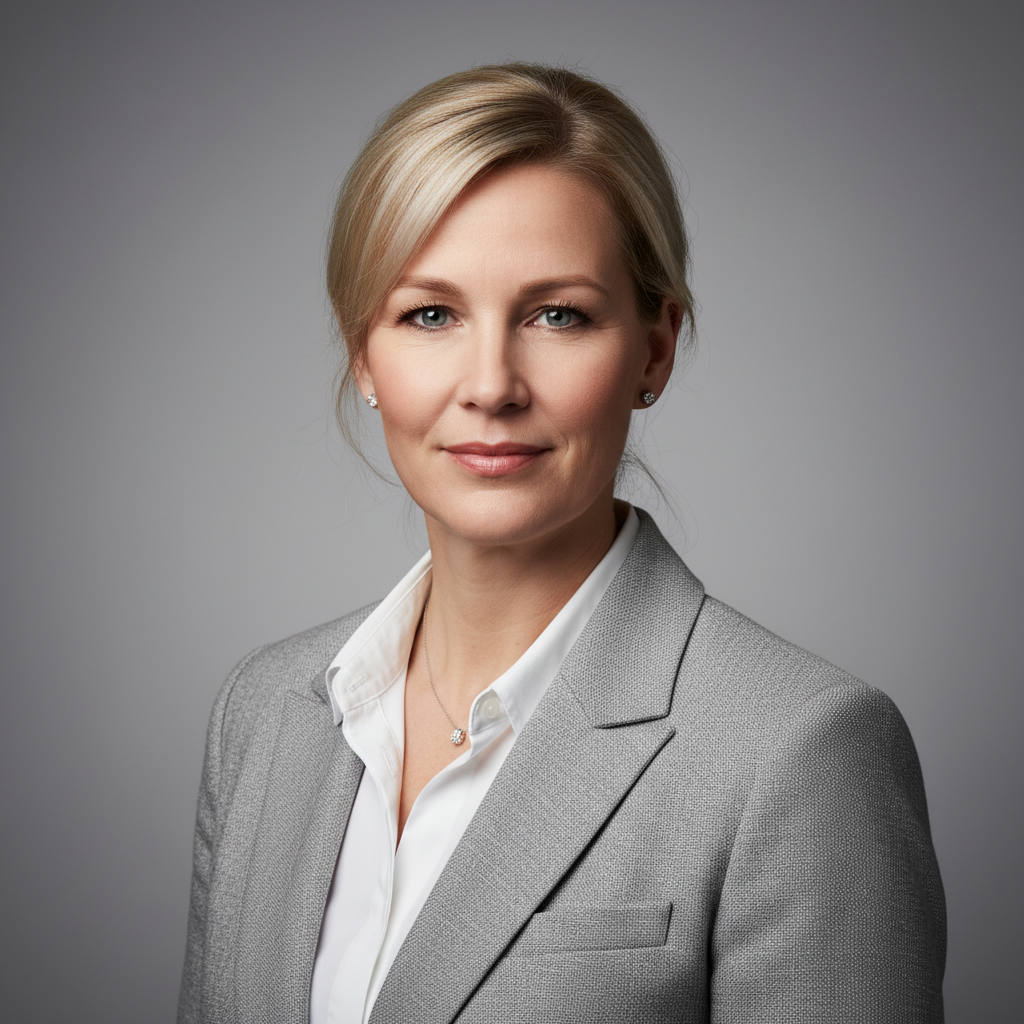
Sarah Lindberg
International Operations Lead
Sarah coordinates our global partner network across 160+ countries, ensuring seamless cross-border debt recovery.