A Bankruptcy Every 20 Minutes
"This is not a distant macroeconomic trend. This is your accounts receivable ledger, today."
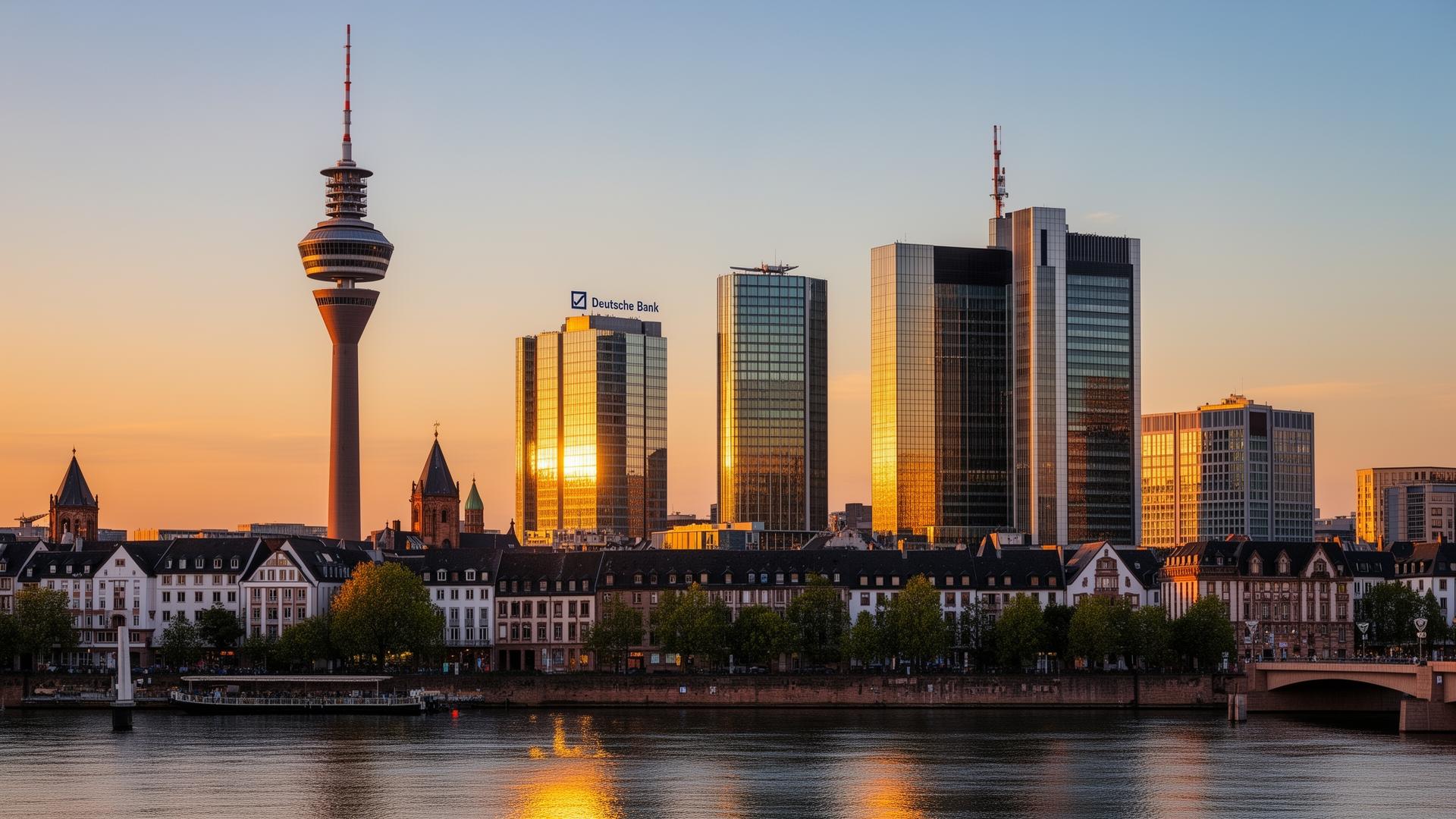
In 2025, the German corporate landscape underwent a tectonic shift, averaging one insolvency filing every twenty minutes. This rhythmic failure resulted in 24,064 corporate insolvencies over the year—the highest volume recorded since 2014. For CFOs and credit managers, these figures represent more than mere statistics; they signal a heightened level of counterparty risk that demands immediate strategic intervention. The arithmetic of 365 days of distress suggests that selling into the German market on credit terms now requires a level of scrutiny not seen in a decade.
The acceleration of these filings indicates that the post-pandemic grace period has officially ended. As liquidity evaporates across mid-market segments, firms that once appeared stable are succumbing to a combination of rising operational costs and stagnant domestic demand. For international partners, the primary concern must be the speed at which a "safe" client can transition into a legal liability. In this environment, the proactive management of German receivables is no longer a back-office administrative task, but a critical component of capital preservation and corporate risk strategy.
The Numbers That Matter
"Total creditor losses hit €57 billion in 2025, with an average of €2 million in claims at risk per case."
- Capital at Risk: Creditors faced a staggering €57 billion in total losses throughout 2025, representing funds that are unlikely to be recovered through standard liquidation channels.
- Human and Social Impact: Approximately 285,000 employees were directly affected by these failures, leading to widespread supply chain disruptions and the severance of long-term business partnerships.
- The Risk Threshold: Data from CRIF indicates that 10.3% of all German companies—roughly 322,470 firms—are currently classified in the high-risk zone, where a single payment delay can trigger a total collapse.
- The Average Claim: With each insolvency case carrying an average of over €2 million in claims, the financial stakes for individual suppliers have reached a critical threshold.
Where the Damage Is Concentrated
"Electrical engineering saw bankruptcies jump by 77%, signaling a sector in painful structural transition."
The services sector led the volume of failures with 14,000 cases, but the most severe damage occurred in specialized industrial segments. Electrical engineering bankruptcies surged by 77%, reflecting the brutal cost of the energy transition and global competition. Simultaneously, the automotive supply chain continues to contract; 59 major suppliers logged insolvencies in 2025 as the shift toward electric vehicles renders many traditional combustion-engine components obsolete. This is not a cyclical dip, but a structural realignment of the German industrial core.
In the construction sector, high interest rates and falling residential permits have created a sustained correction that shows no signs of abating. For firms supplying materials or professional services to German construction companies, the credit profile of their client base has deteriorated significantly over the last 18 months. Manufacturing and trade sectors also faced double-digit increases in insolvency rates, confirming that the "backbone" of European economic stability is currently under immense pressure from multiple vectors of economic distress.
Why This Is Happening
"The German economy is losing competitiveness due to high costs, pervasive bureaucracy, and structural weakness."
The current insolvency wave is driven by a convergence of persistent economic headwinds. Germany navigated a period of contraction in 2023 followed by negligible growth in 2024, leaving corporate margins razor-thin. While energy costs have retreated from historical peaks, they remain significantly higher than those of international competitors, eroding the relative advantage of German manufacturing. Furthermore, the regulatory burden has continued to climb, adding layers of administrative cost that domestic firms struggle to absorb without productivity gains.
Financial leverage has also become a trap for many "zombie" firms that survived the pandemic on government-backed loans. In a higher-interest-rate environment, servicing this accumulated debt has become unsustainable. As banks tighten their lending criteria, access to fresh liquidity has vanished for companies that are already over-leveraged. As Creditreform leadership has noted, these factors combine to create a climate where global geopolitical uncertainty further destabilizes long-term corporate planning and capital allocation.
The 2026 Outlook: No Relief in Sight
"CRIF forecasts a further 3% increase in insolvencies for 2026, reaching nearly 25,000 cases."
Forward-looking indicators suggest that the peak of the insolvency cycle has yet to be reached. Projections for 2026 anticipate approximately 24,800 corporate failures as the pipeline of distressed debt continues to move toward the courts. While the German government has proposed significant investments in infrastructure and defense, the stimulus from these projects is unlikely to impact the private sector in the immediate term. For finance leaders, this necessitates a defensive posture regarding German exposure for the foreseeable future.
What the Mahnverfahren Means for Creditors
"The window between a missed payment and an insolvency filing is your only chance for recovery."
The Mahnverfahren, Germany’s judicial dunning procedure, is a vital tool for the rapid recovery of receivables. By securing a Mahnbescheid (payment order), creditors can trigger a 14-day legal window that often prompts payment from debtors looking to avoid a formal enforcement order. This process is highly cost-effective and can result in an enforceable title within four to six weeks. For CFOs, this represents an efficient alternative to lengthy litigation, especially for mid-sized claims where the cost of a full trial would be prohibitive.
However, the utility of this legal tool evaporates the moment a debtor enters formal insolvency proceedings. Once an Insolvenzverwalter (administrator) is appointed, the creditor is relegated to the back of the queue, typically recovering only a small fraction of the original debt. Consequently, speed of execution is the most critical variable in the recovery equation. Organizations that wait for months to escalate non-payment are essentially surrendering their claims to the inevitable liquidation process that follows the current 20-minute insolvency rhythm.
Protecting Your German Receivables
"Transitioning from wait-and-see to immediate escalation is the new standard for German credit risk."
- Continuous Monitoring: Real-time credit monitoring is essential. With 10% of firms at risk, static annual reviews are insufficient to track the rapid degradation of a buyer's liquidity.
- Immediate Escalation: The traditional 90-day collection cycle is obsolete. Firms should initiate formal dunning procedures within days of a missed deadline to stay ahead of the insolvency administrator.
- Automated Legal Tools: Utilize the Mahnverfahren early and often. The low entry cost makes it a superior first-step legal option for securing priority in a crowded field of creditors.
- Cross-Border Expertise: Partner with specialists who understand the nuances of the German court system and can bridge the gap between amicable collection and formal legal enforcement.
The Bottom Line
"The 24,064 insolvencies of 2025 are a data point on an upward trend, not a peak."
The current state of the German economy is categorized by structural transformation rather than a temporary cyclical downturn. The combination of high energy prices, demographic shifts, and significant debt burdens has created a permanent change in the risk profile of the Eurozone’s largest economy. For international creditors, this requires a fundamental shift in how German receivables are managed. Vigilance, speed, and the strategic use of local legal mechanisms are the only effective defenses against a market that is currently failing at a rate of three times per hour. The clock is already running; the question is whether your recovery process can keep pace.
Sources
Creditreform, "Insolvencies in Germany 2025" (December 2025) — creditreform.com
CRIF, "Corporate insolvencies will rise to nearly 24,000 cases in 2025" — crif.de
Federation of Business Information Services (FEBIS), "Insolvencies in Germany, year 2025" (December 2025) — febis.org
Reuters via Yahoo Finance, "German corporate bankruptcies to surge to a decade high in 2025" — finance.yahoo.com
Xinhua, "German corporate insolvencies hit decade-high in 2025" (December 2025) — news.cn
Autonews, "Supplier bankruptcies increase in Germany amid weak market" — autonews.com
Debtist, "Costs of court dunning proceedings in Germany" — debtist.com
Sarah Lindberg
International Operations Lead
Sarah coordinates our global partner network across 160+ countries, ensuring seamless cross-border debt recovery.