
Hope Is Not a Cash Flow Strategy. A 13-Week Forecast Is.
Most small businesses discover cash problems the same way they discover a flat tire — by hearing the rim scrape asphalt. A 13-week forecast changes that.
8 min readApr 9, 2026
ReadMunich. A very private club, where the new doorman is Big Terry. House rule number one, engraved on the wall: never pay on time.
Konstantin von Albrecht chairs Feinkost Albrecht GmbH, fourteen delis in Munich, and pays his suppliers in year two. Ana Ferrer runs a family olive-oil business in Tarragona. She is owed €62,000, and she has read the house rules too.
Trick one: "We never received it." Counter: signed proof of delivery, and an invoice that carries the customer's PO number.
Trick two: "Next payment run." Counter: ask for the date, in writing. A dated promise is evidence.
Trick three: "The oil was cloudy." Counter: a first complaint on day 58, after goods were received in good condition, is a stall, not a dispute.
Trick four: "We can wait." Counter: know the limitation period (in Germany, three years counted from the end of the year) and act well before it ends.
Then Ana stopped arguing and filed a European Payment Order: one form, one court in Berlin, for uncontested cross-border claims inside the EU. No hearing. The debtor has 30 days to object. Konstantin was busy. The house rules were amended, and Ana was paid in full on day 74.
Ana's rules: 1. Paper trail before you ship. 2. Get the payment date in writing. 3. A late complaint is a stall. 4. Watch the limitation clock. 5. Cross-border in the EU? File the EPO.
A Collecty film. © Collecty, www.cllcty.com. Reproduction without permission is not allowed. All characters are fictional. This film is general information, not legal advice.
Most small businesses discover cash problems the same way they discover a flat tire — by hearing the rim scrape asphalt. A 13-week forecast changes that.

If your business starts every month at zero — waiting for the next project to close — you're not running a company. You're running a casino.

You cannot out-earn bad debt structure. The debt snowball method works for businesses exactly like it works for consumers, except the stakes include livelihoods.
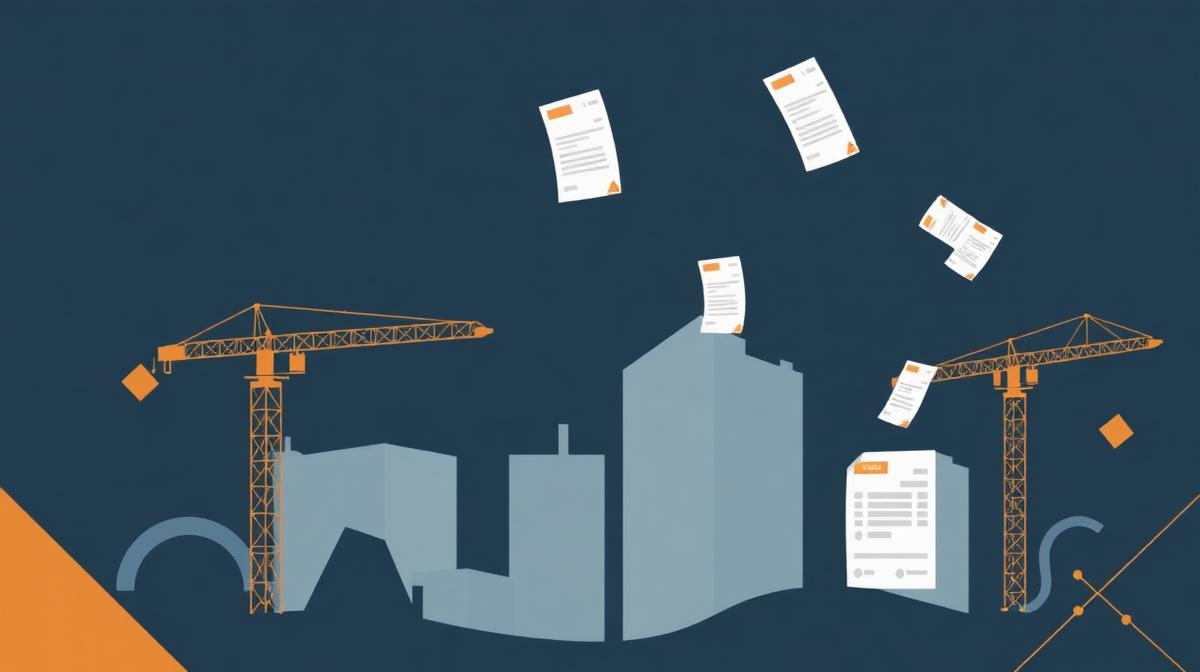
Construction companies lose $280 billion annually to slow and non-payment. 82% of contractors routinely wait more than 30 days past terms. Here's how to convert completed work into completed payment.

Manufacturing and export companies face a specific collection problem: the goods are gone. Your strongest tools are retention of title clauses, proof-of-delivery documentation, and early professional collection.
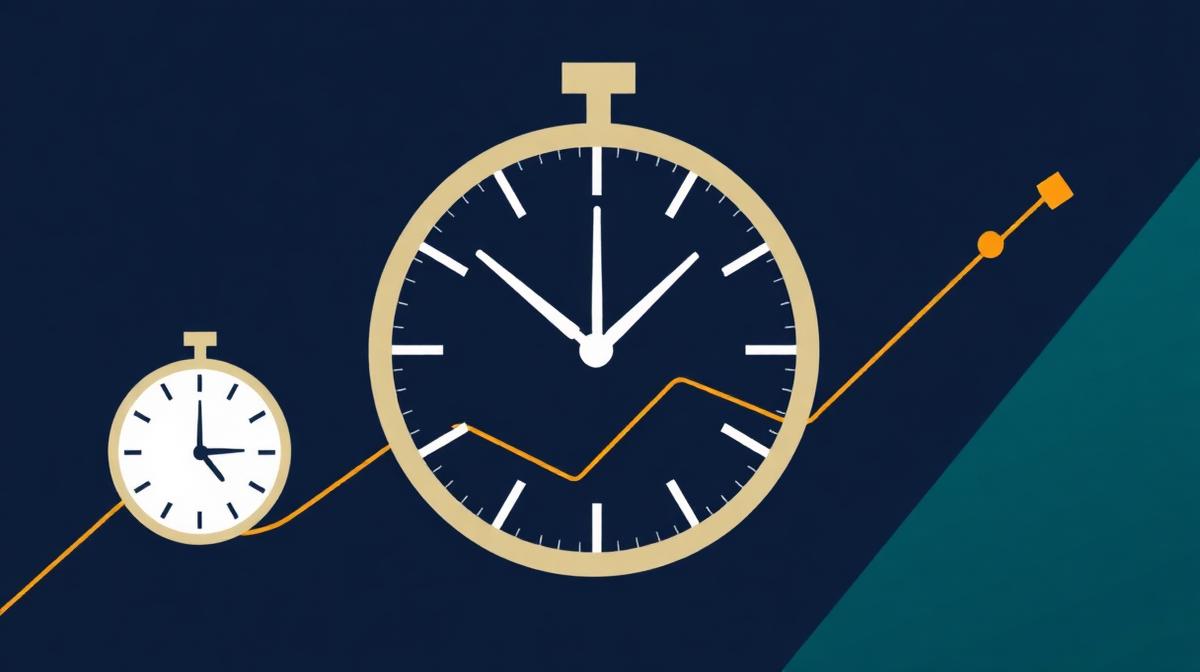
To reduce Days Sales Outstanding: invoice on delivery, automate reminders at day 1/7/14 overdue, offer early payment discounts, enforce late payment interest, and move any invoice past 60 days to professional collection.
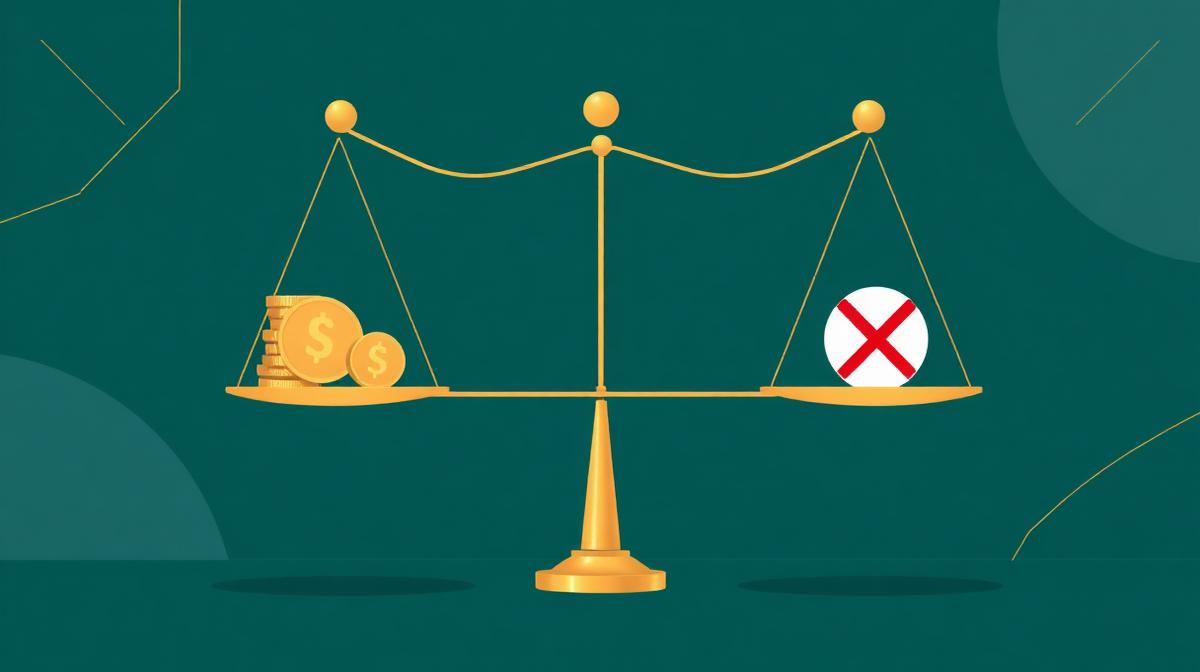
To write off a B2B bad debt, you must prove the debt is legitimate, that you made reasonable collection efforts, and that it's genuinely uncollectable. But before you file that paperwork — have you actually tried to collect it professionally?

A demand letter for an unpaid B2B invoice should contain six elements: debtor's full legal name, invoice number and amount, payment due date, applicable late payment interest, a specific deadline (14 days), and the consequences of non-payment.

No win no fee debt collection means the agency takes a percentage of what they recover and charges you nothing if recovery fails. Here's the full picture.
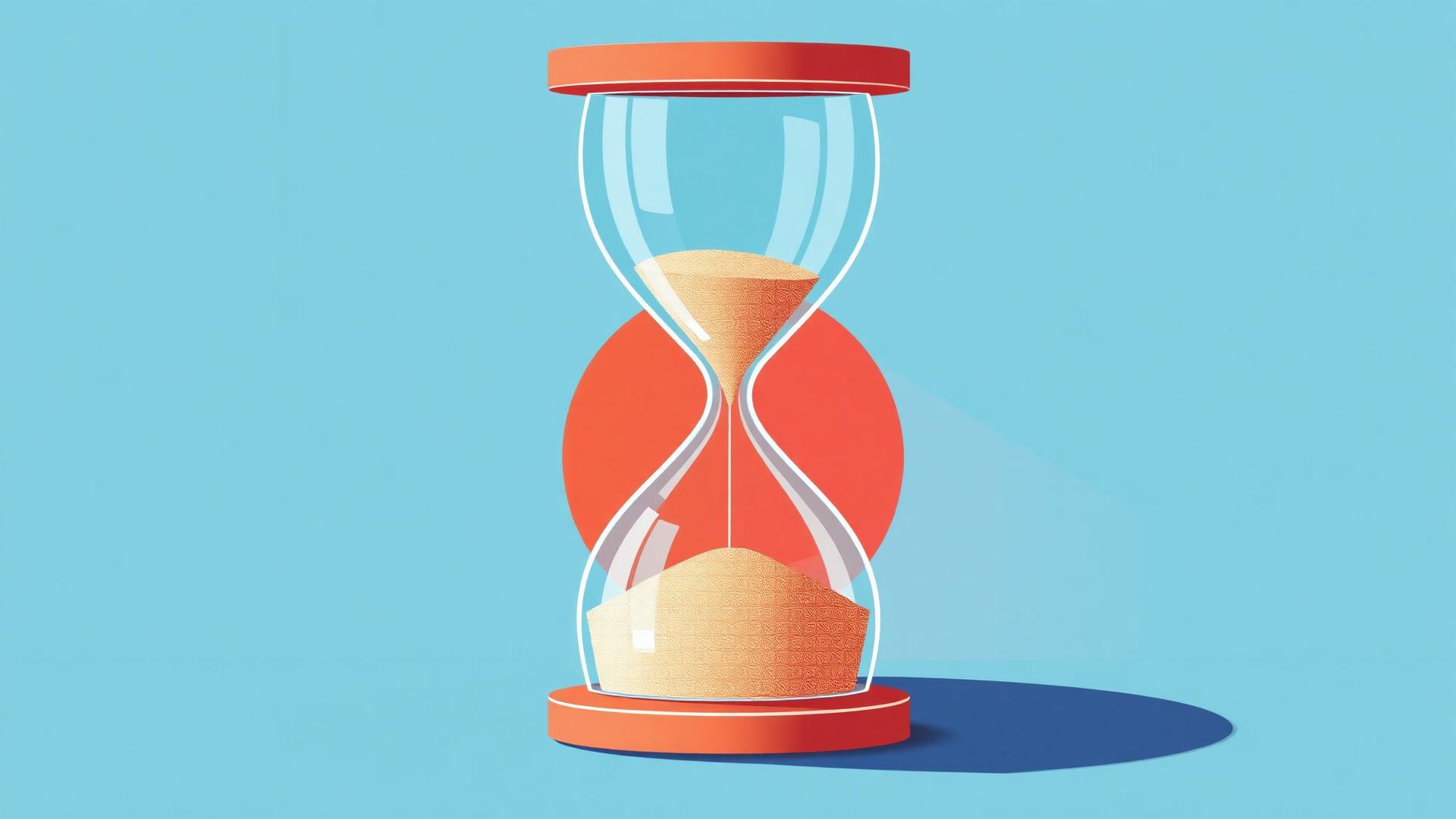
At 30 days overdue, your chance of recovering a B2B invoice is approximately 94%. At 90 days, it drops to 73%. Every week you wait costs you money.
SaaS companies lose between 3% and 5% of annual recurring revenue to involuntary churn and unpaid invoices. Here's what SaaS debt looks like.
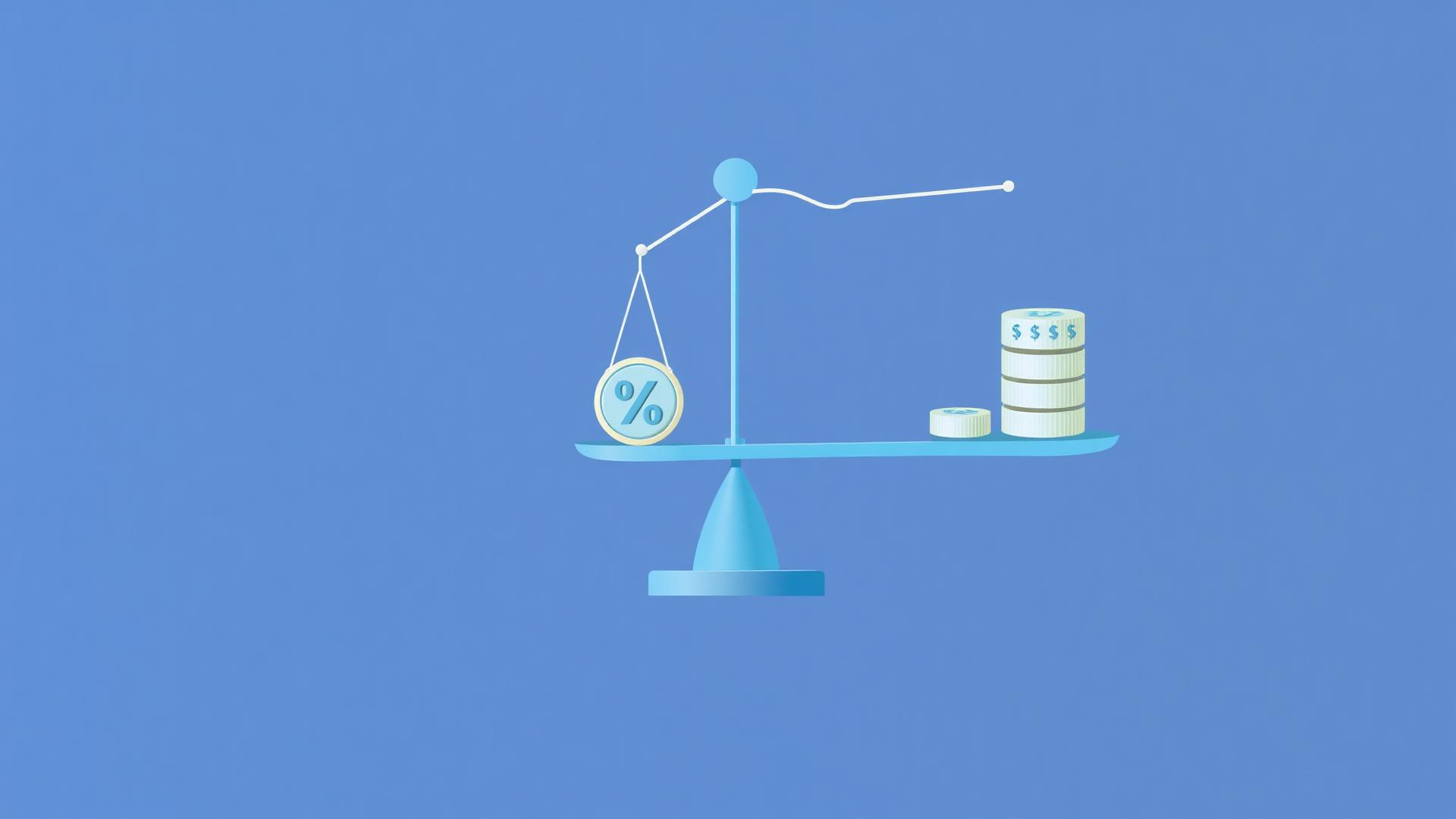
B2B debt collection agencies typically charge between 5% and 25% of the recovered amount, on a no-win-no-fee basis. Here's the full breakdown of fee models.