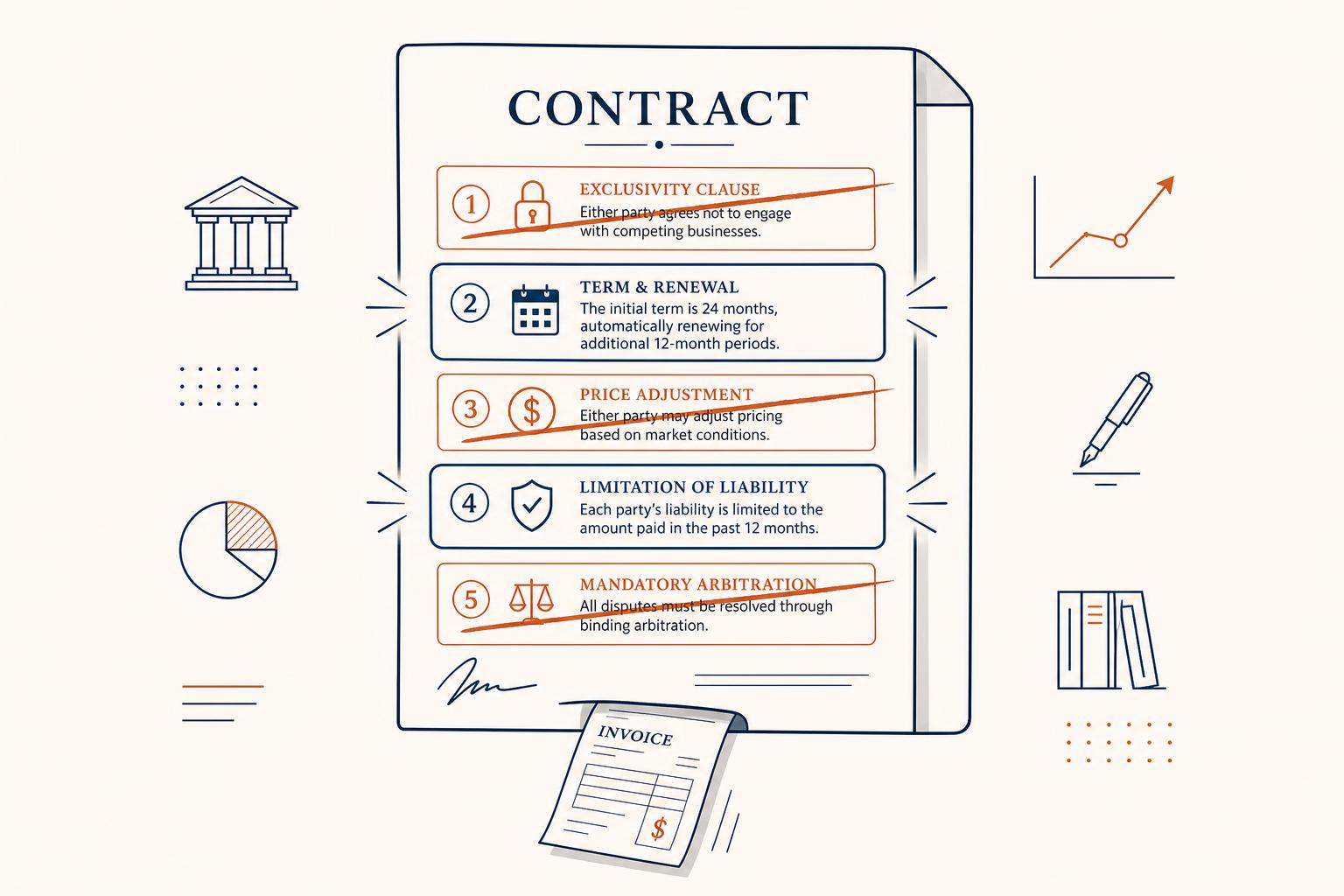
Why Your Contract Failed Before Your Invoice Did
The unpaid invoice is the symptom. The contract was the cause.
3 min readMay 27, 2026
ReadMunich. A very private club, where the new doorman is Big Terry. House rule number one, engraved on the wall: never pay on time.
Konstantin von Albrecht chairs Feinkost Albrecht GmbH, fourteen delis in Munich, and pays his suppliers in year two. Ana Ferrer runs a family olive-oil business in Tarragona. She is owed €62,000, and she has read the house rules too.
Trick one: "We never received it." Counter: signed proof of delivery, and an invoice that carries the customer's PO number.
Trick two: "Next payment run." Counter: ask for the date, in writing. A dated promise is evidence.
Trick three: "The oil was cloudy." Counter: a first complaint on day 58, after goods were received in good condition, is a stall, not a dispute.
Trick four: "We can wait." Counter: know the limitation period (in Germany, three years counted from the end of the year) and act well before it ends.
Then Ana stopped arguing and filed a European Payment Order: one form, one court in Berlin, for uncontested cross-border claims inside the EU. No hearing. The debtor has 30 days to object. Konstantin was busy. The house rules were amended, and Ana was paid in full on day 74.
Ana's rules: 1. Paper trail before you ship. 2. Get the payment date in writing. 3. A late complaint is a stall. 4. Watch the limitation clock. 5. Cross-border in the EU? File the EPO.
A Collecty film. © Collecty, www.cllcty.com. Reproduction without permission is not allowed. All characters are fictional. This film is general information, not legal advice.
The unpaid invoice is the symptom. The contract was the cause.
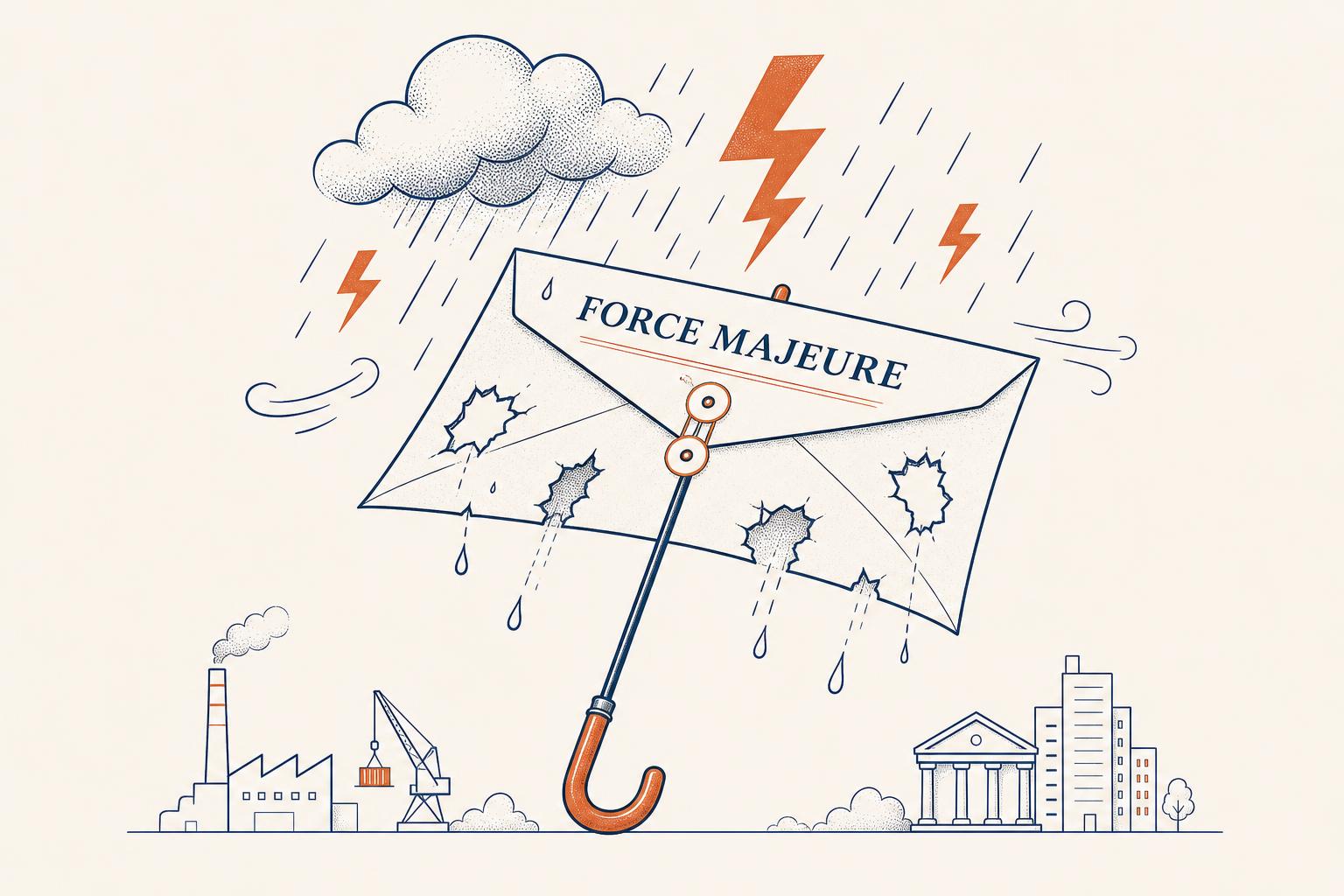
Force majeure does not mean "I don't feel like paying."
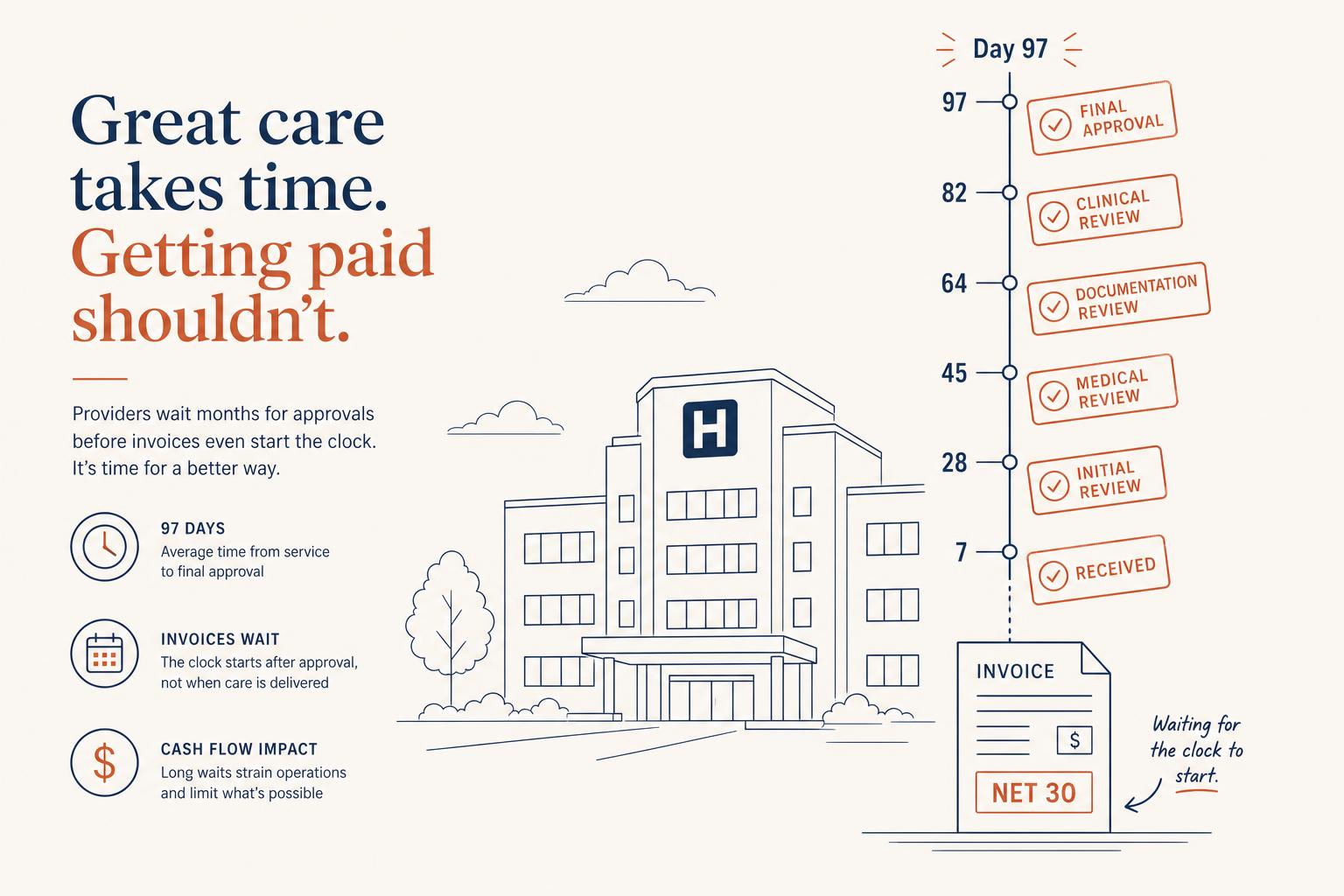
Hospitals do not pay late. They pay on a different calendar.
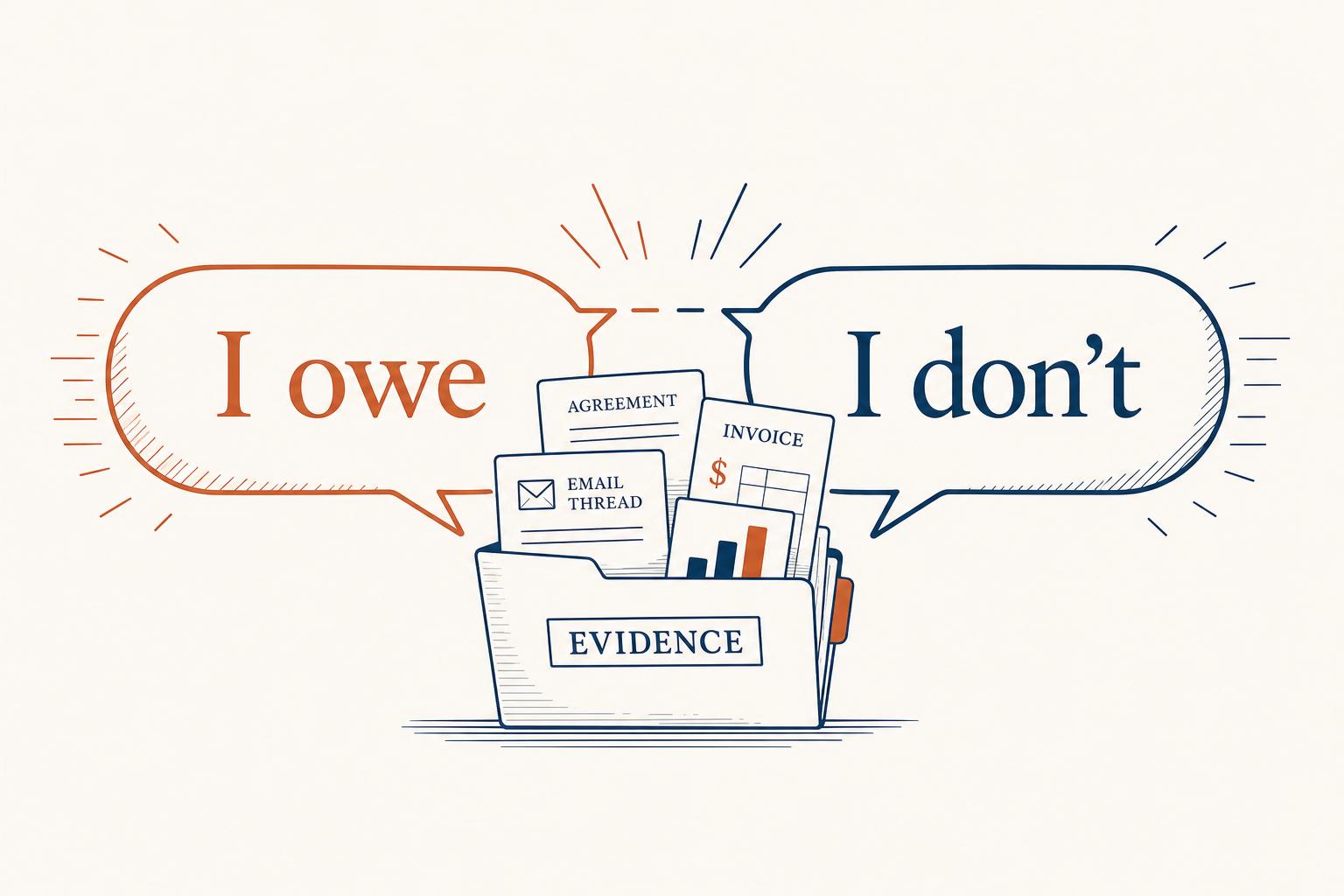
The route changes. The destination does not.
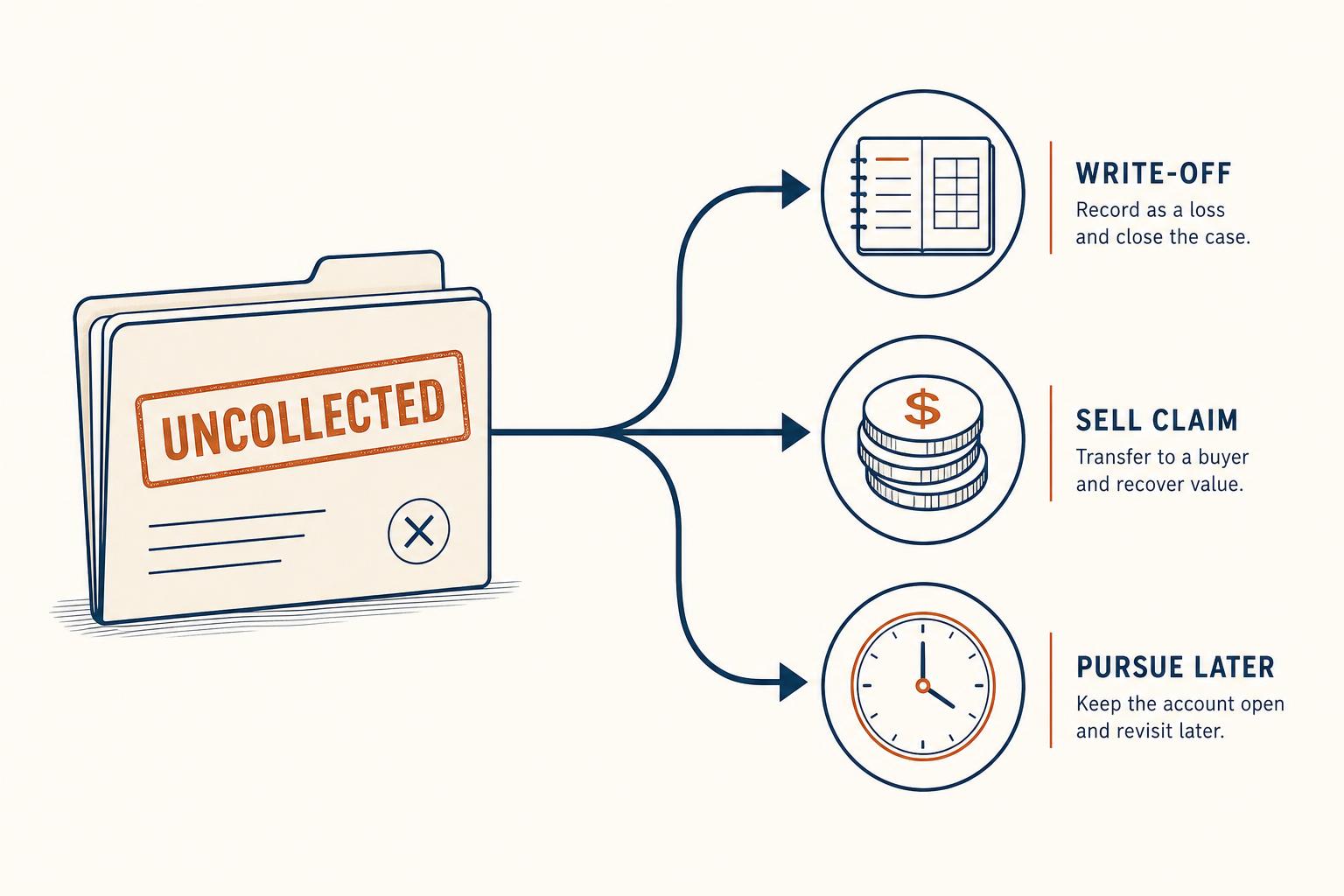
You lose the money. You do not lose the options.
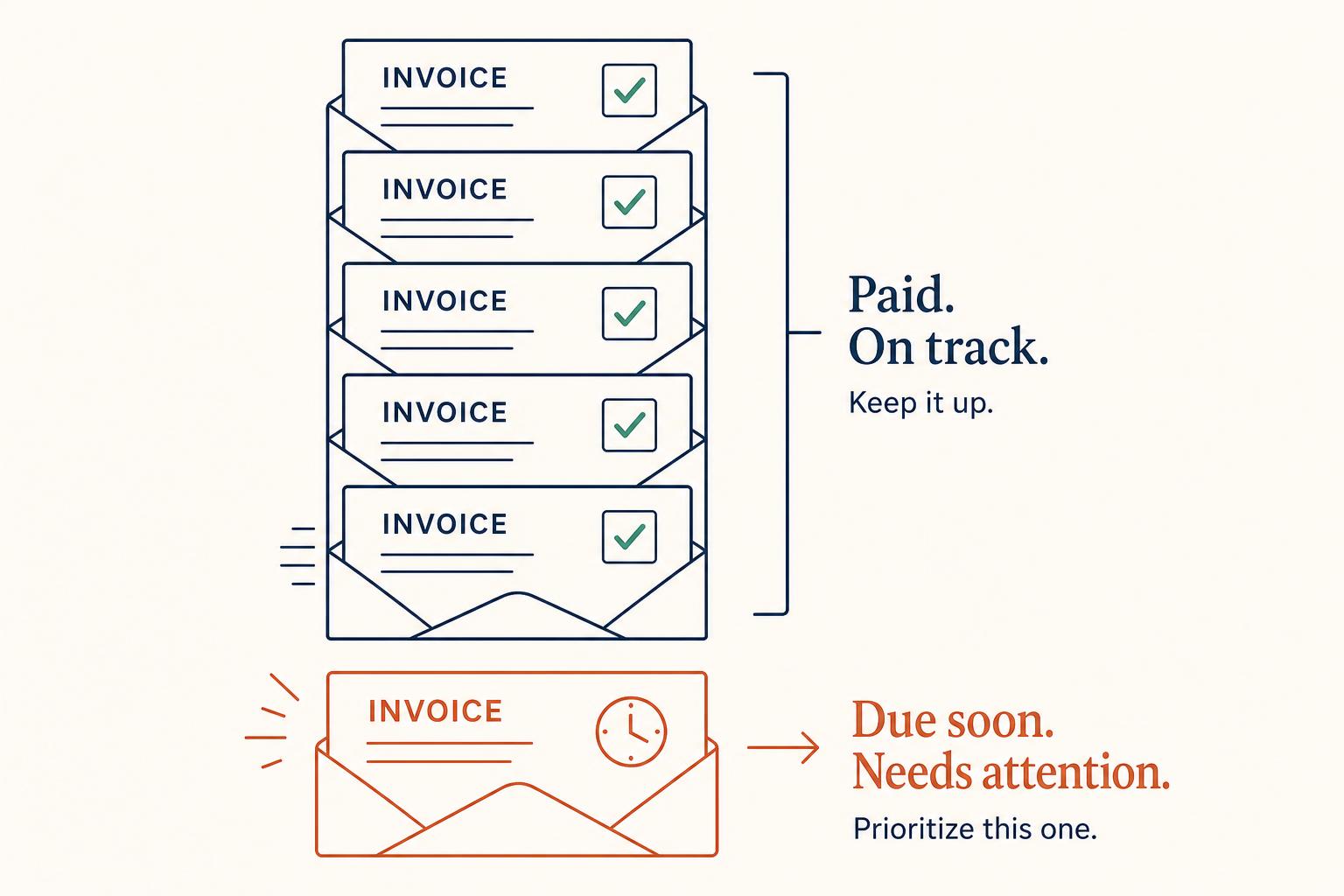
That is not insolvency. That is a priority list, and you are not on it.

You need one or the other. Rarely both at the same time, and never neither. The answer is a matter of what the debt looks like.

Shorter than you expect. Longer than you want. 60% of international commercial debts that are collectible resolve within 90 days of assignment…
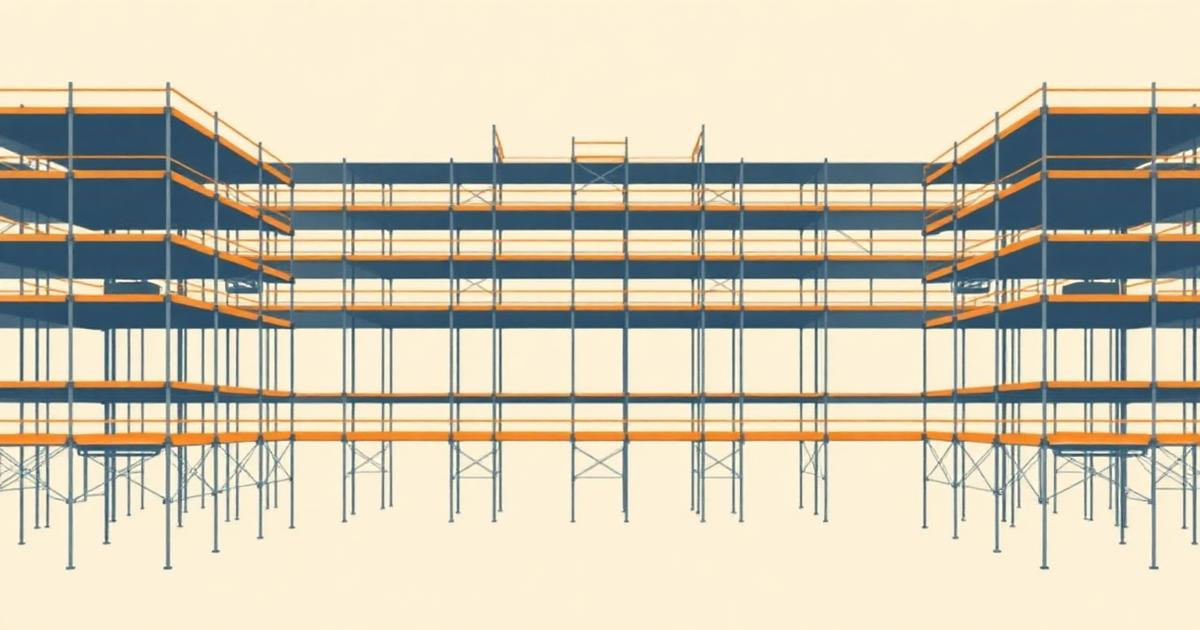
Net 30 is not a payment term. It is a hope. In international B2B trade, the average actual payment time is 58 days — nearly double the stated terms.
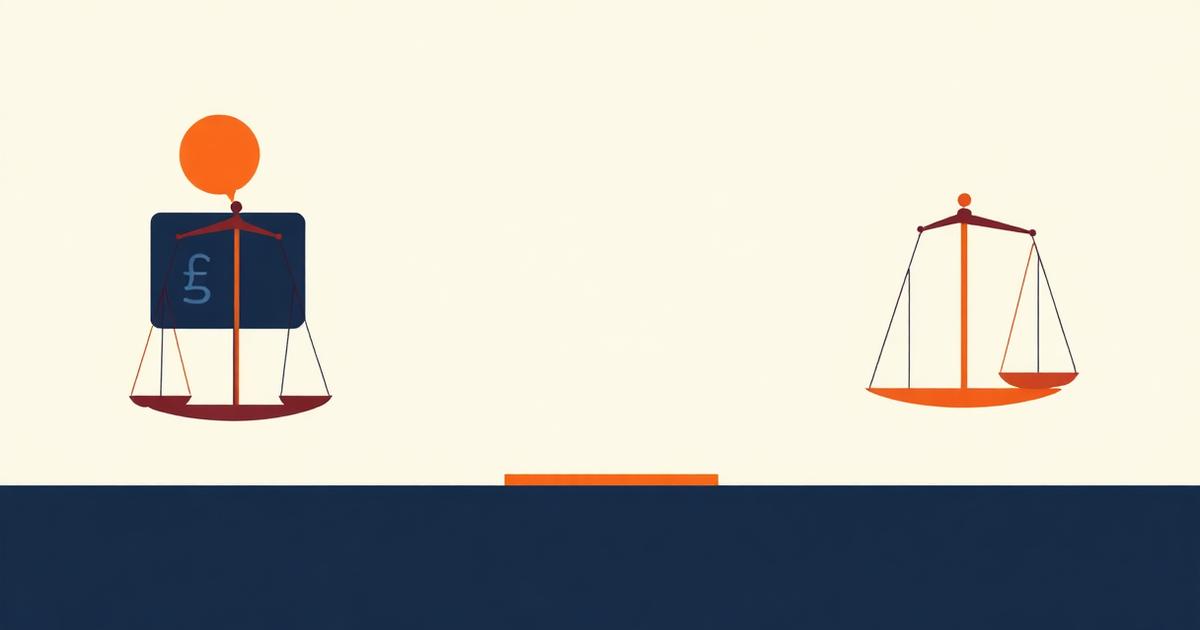
Your unpaid invoice is not losing value. It is losing recoverability. At 30 days overdue, a commercial debt has roughly a 90% recovery probability. At six months, 67%. At twelve months, below 50%.…
You have one shot at this. Make it count. One properly structured final notice that changes the dynamic from "please pay" to "here is what happens next."

A write-off is not a decision. It is the absence of one. You are staring at an aged receivable on a spreadsheet…