Debt Collection for Construction Companies: Getting Paid on Completed Work
This video explains how construction businesses can pursue payment after finishing a project. It covers investigating the payment chain, checking lien deadlines, preparing a documented demand, and deciding when to involve a construction collection specialist.
Key takeaways
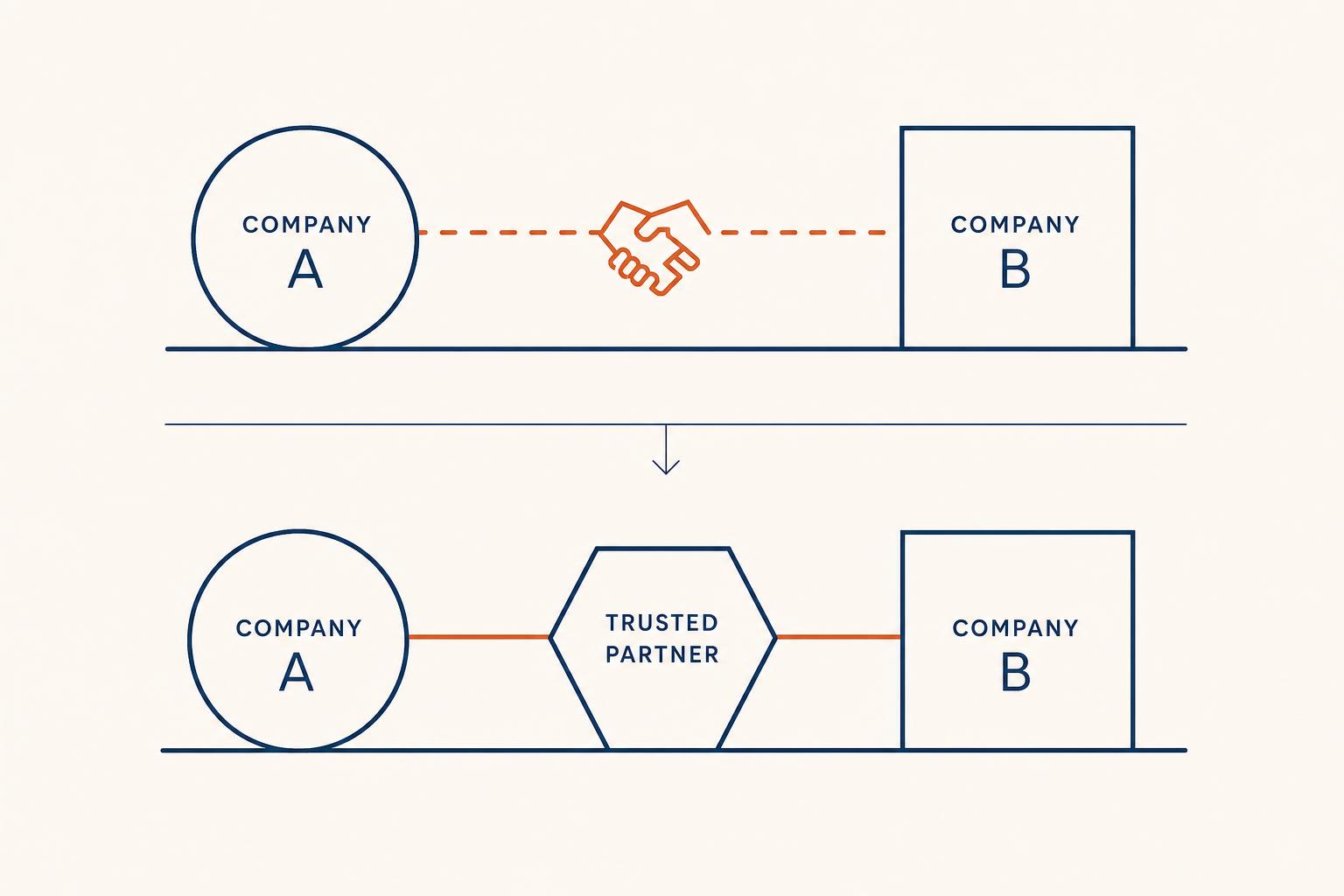
- Check whether your customer has received payment from the owner or contractor above them before choosing a collection approach.
- Confirm local lien and notice requirements early, because missing a deadline can eliminate your lien rights.
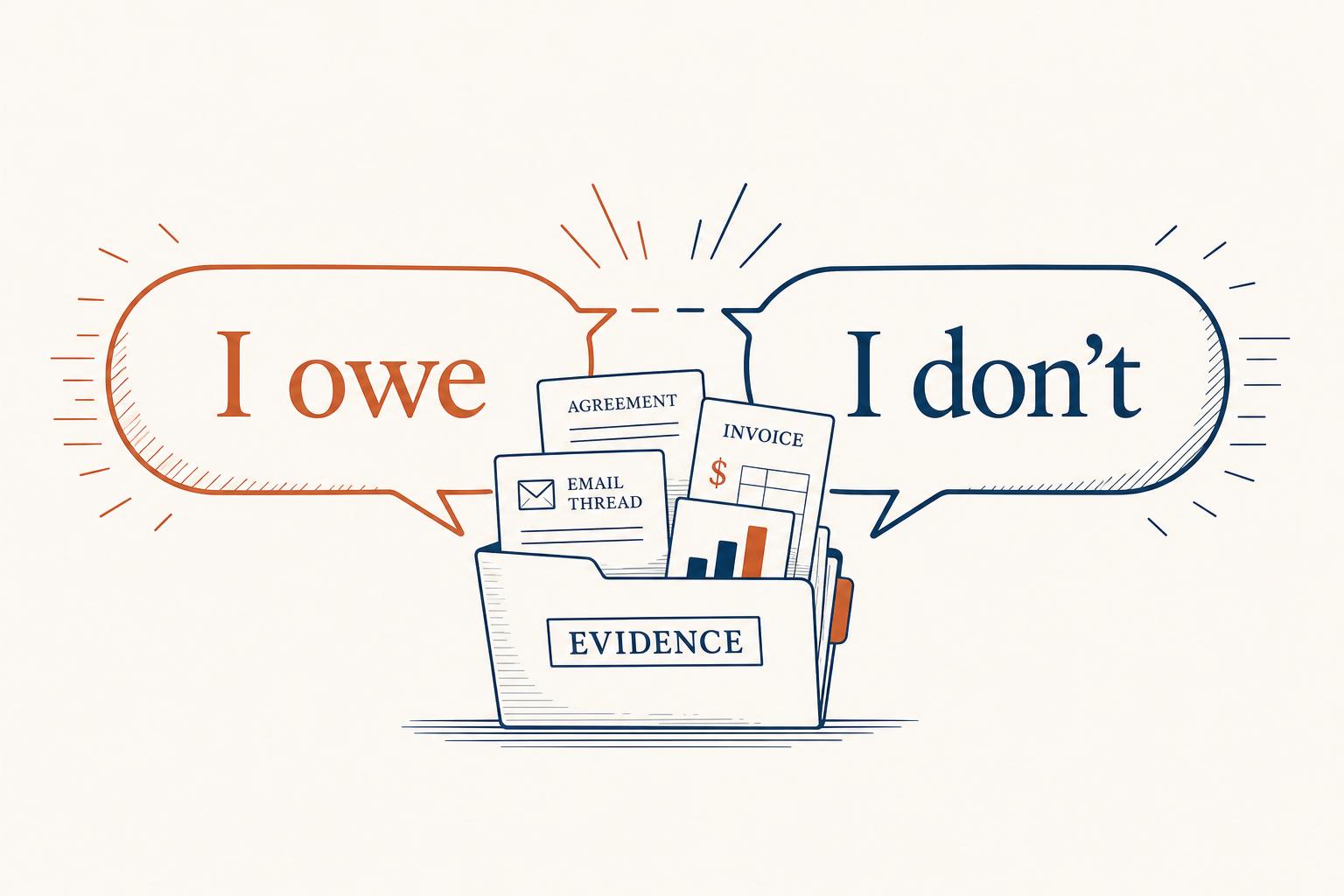
- Support your payment demand with contract terms, milestone records, approvals, and any retention eligible for release.
- Assess withheld retainage against the contract’s release conditions rather than accepting continued delay.
- Consider specialist collection support for disputes involving change orders, retention, or completion status.
What this video covers
The video outlines a practical approach to collecting construction receivables once the work is finished. It begins with the payment chain: a subcontractor’s overdue invoice may stem from an owner’s failure to pay the general contractor. Understanding where payment has stalled helps shape the next steps. It then explains why lien rights require early attention. Eligibility, preliminary notices, filing deadlines, and the events that start those deadlines depend on the jurisdiction. Contractors need to identify the applicable requirements before the opportunity to file expires. Another focus is preparing a formal demand supported by project documentation. The demand should connect the unpaid balance to the agreement, completed stages of work, and evidence of acceptance. It should also account for retention that has become payable and refer to applicable lien rights. The video also addresses retainage, which commonly represents 5–10% of progress payments. The contract determines its release conditions; once those conditions are satisfied, continued withholding should be treated as an unpaid debt. Finally, it explains the value of construction-specific collection expertise when disputes involve change orders, substantial completion, or retention. The overall lesson is to combine documentation, deadline awareness, and knowledge of the payment chain when pursuing overdue balances.