When Collection Saves the Relationship
This video explains how commercial debt collection can help repair a strained client relationship rather than end it. It explores how an independent firm can move overdue-payment discussions away from personal tension and clarify which trading relationships are worth continuing.
Key takeaways
- Avoiding collection does not necessarily protect a relationship when invoices remain unpaid and communication has stopped.
- An independent collection firm can shift the discussion from supplier frustration to a structured resolution process.
- Enforcing agreed payment terms can establish clearer expectations for future business.
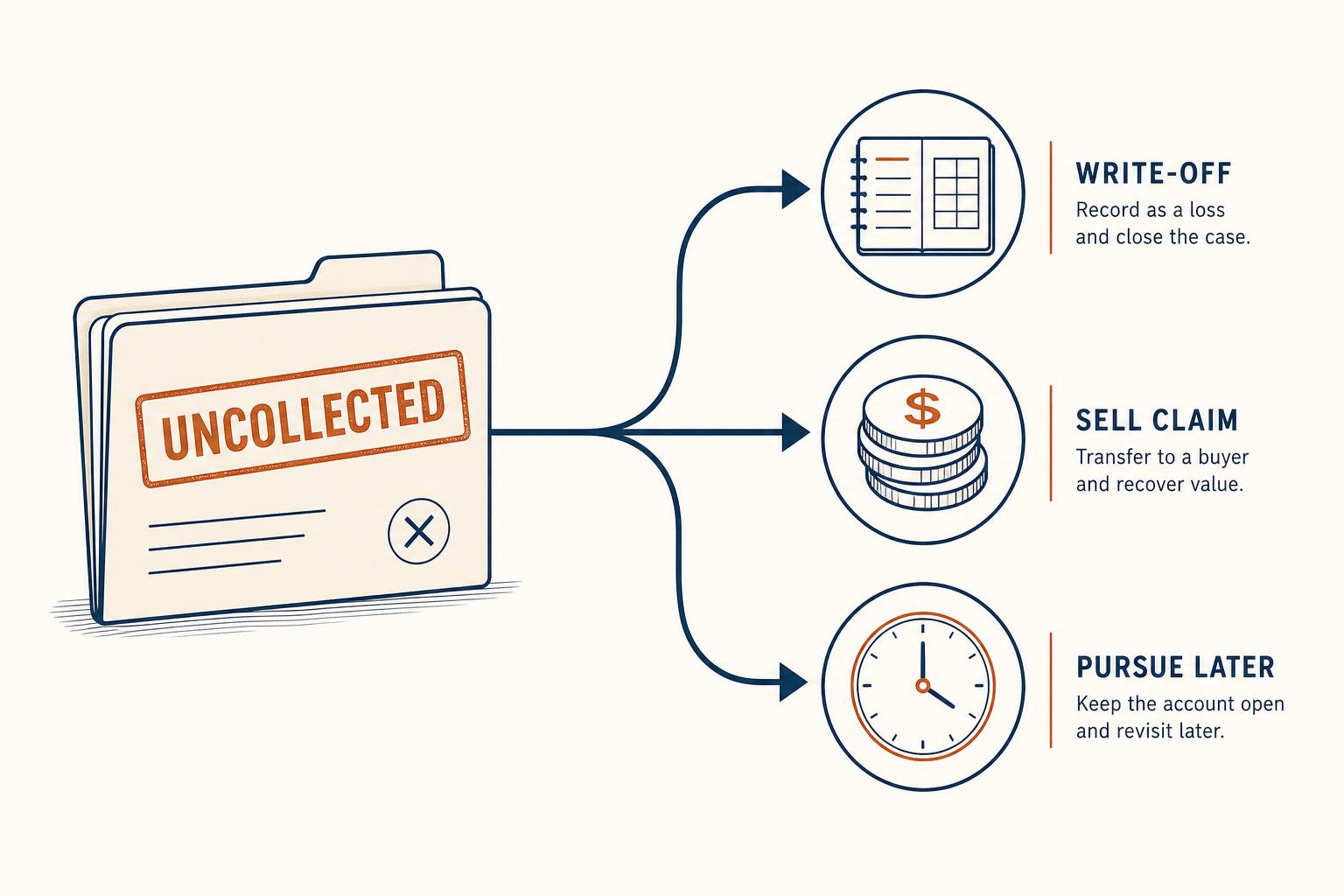
- Some relationships end during collection, exposing persistent payment problems or insolvency rather than a viable commercial partnership.
What this video covers
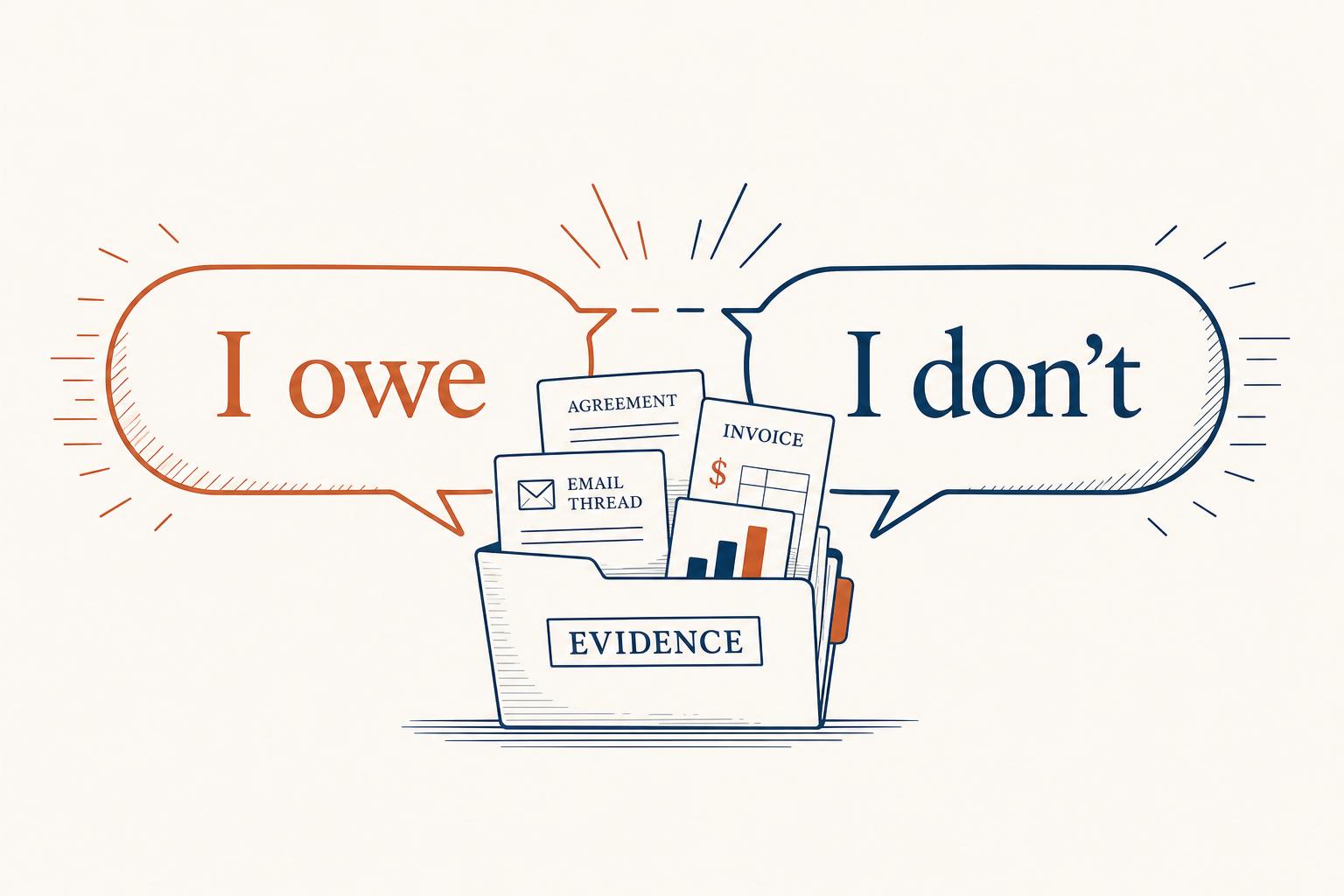
This video challenges the assumption that involving a collection firm means sacrificing a client. When a customer leaves invoices unpaid and stops answering, the commercial arrangement is already under strain. Delaying action may preserve the appearance of goodwill without resolving the debt. The video explains how third-party involvement changes the discussion. Instead of dealing directly with a frustrated supplier, the debtor engages with an independent process focused on resolution. That separation can make the payment issue less personal and easier to address. The article describes payment followed by renewed trading as a common outcome of professionally handled commercial collection, while acknowledging that it does not happen in every case. Another lesson is that enforcing payment terms can reset expectations. Once non-payment carries consequences, the customer has a clearer reason to respect those terms in future dealings. The video also examines relationships that do not continue, including those involving persistent late payment or insolvency. These cases can reveal whether the account justified the time and resources spent maintaining it. Ultimately, collection is presented as a way to uphold commercial boundaries and distinguish workable client relationships from arrangements sustained at the creditor’s expense.