What Happens When Collection Fails
This video explains the decisions available after professional debt collection has failed. It compares a documented write-off, a discounted claim sale, and active monitoring, showing why leaving a receivable unresolved is not a strategy.
Key takeaways
- A formal write-off removes the receivable and recognises the loss, with documentation supporting the tax deduction.
- Selling a commercial debt can provide immediate cash while transferring collection responsibility and risk to the buyer.
- Monitoring may be appropriate for a genuine business facing temporary financial distress, provided its status is actively reviewed.
- The decision should reflect documentation quality, cash needs, tax-benefit timing, and the debtor’s prospects.
What this video covers
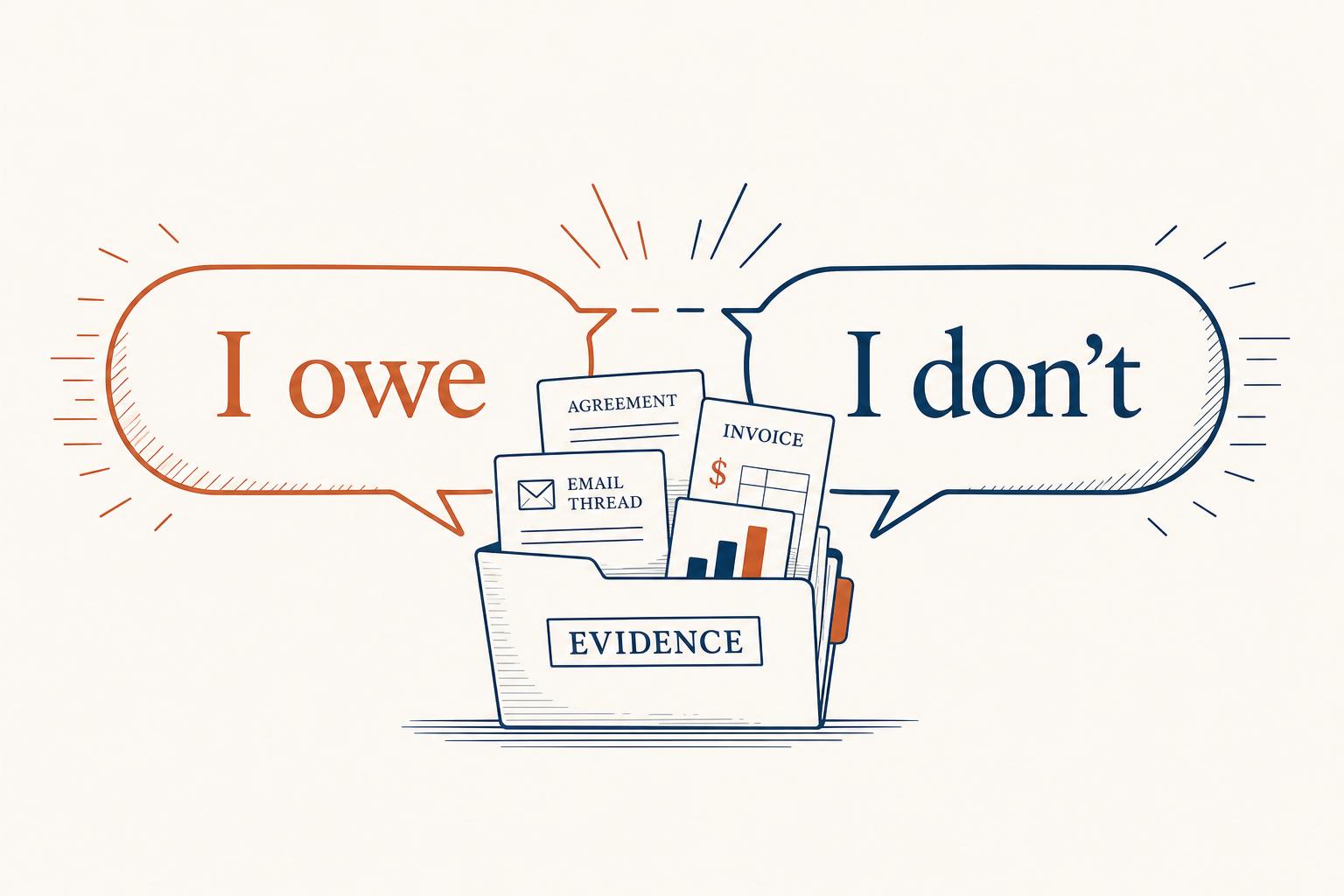
The video treats unsuccessful collection as a decision point rather than a reason to leave an unpaid invoice unresolved. It explains three routes for dealing with a claim once recovery efforts have ended. First, a business can formally recognise the loss and remove the debt from receivables. The video stresses the importance of retaining evidence of collection efforts, the agency’s final report, and supporting proof that payment cannot be recovered. These records support the tax treatment of the write-off. Second, the claim can be sold to a buyer of distressed commercial debt. Pricing depends on factors including jurisdiction, supporting records, and how long the debt has been outstanding. A sale delivers cash immediately and passes recovery costs and uncertainty to the buyer. Whether it is preferable to a write-off depends on liquidity needs and when the tax benefit would arrive. Third, a creditor can retain the claim while checking for improvements in the debtor’s circumstances. This suits a genuine business with potential to recover, rather than a shell company or persistent non-payer. The central lesson is to make an explicit choice. Unresolved receivables prolong accounting uncertainty and consume attention; a deliberate decision brings clarity even when recovery has failed.