The Debtor Who Pays Everyone Except You
This video explains why a business under cash-flow pressure may pay essential suppliers while repeatedly delaying your invoices. It explores how enforced payment terms, written escalation deadlines and professional collection can change that pattern.
Key takeaways
- A debtor may prioritise creditors whose non-payment creates immediate operational or contractual consequences.
- Repeatedly accepting delays can teach a customer that your stated payment deadline is flexible.
- Communicating applicable late-payment interest and a clear escalation deadline makes the consequences of delay explicit.
- Escalation depends on follow-through; deadlines lose credibility when no action follows.
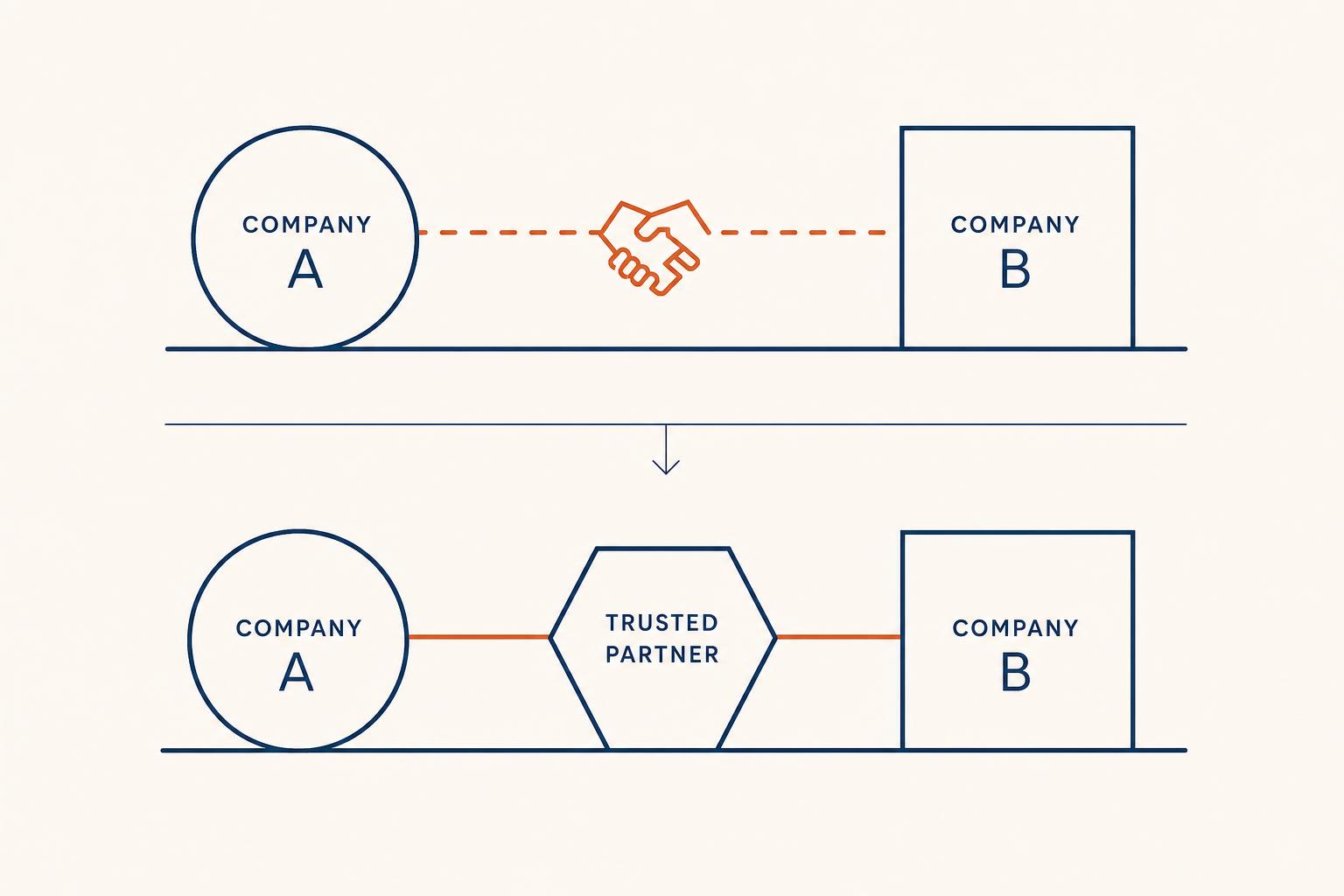
- An external collection agency changes how the overdue account is handled and can help reset payment expectations.
What this video covers
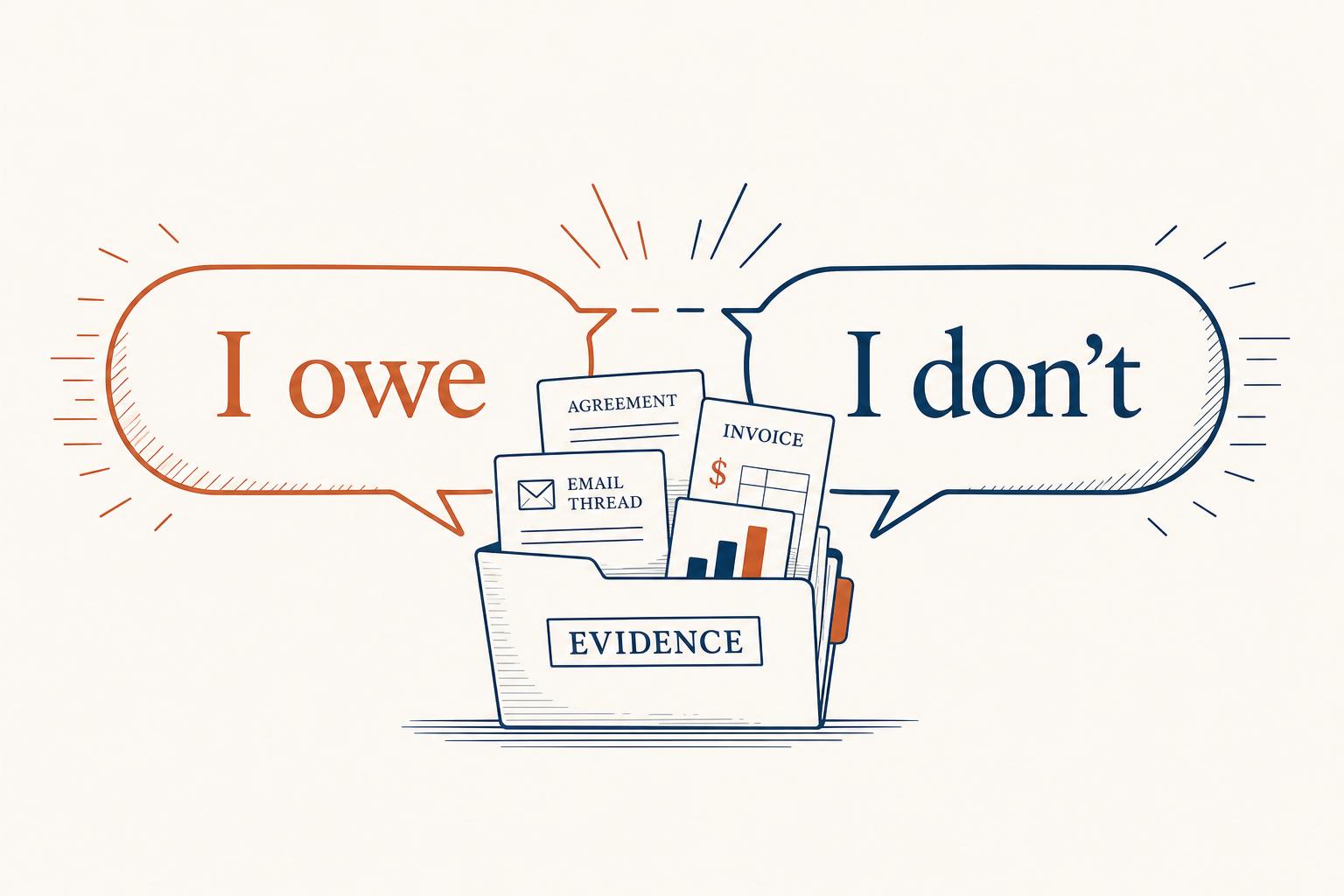
The video examines a frustrating collection problem: a customer continues trading and paying other creditors while leaving your invoices overdue. It explains that businesses facing cash-flow pressure often allocate payments according to the consequences of withholding them. Essential suppliers and creditors who enforce their terms receive attention, while accommodating suppliers can remain unpaid. The central lesson is that stronger wording alone does not change those incentives. Creditors need a defined process with consequences they are prepared to enforce. The video discusses notifying debtors of applicable late-payment interest, providing a calculation, and setting a written deadline for referral to a collection partner. It also explains why an escalation warning carries little weight if earlier warnings were not acted upon. Professional collection introduces an external party, communication in the debtor’s language and reference to applicable law. This changes the account from an overdue supplier balance into a matter receiving formal collection attention. Finally, the video considers the precedent created by tolerating lengthy delays. Accepting late payment repeatedly can undermine the terms on future invoices. Rather than treating escalation solely as a threat to the customer relationship, it presents enforcement as a way to establish credible payment expectations for that relationship.