What Happens When You Send a Debtor to Collections
This video explains what happens after a creditor refers an unpaid commercial invoice to a collection agency, from the initial file review to possible court action. It also explores how professional communication can prompt payment and why collection does not necessarily end a business relationship.
Key takeaways
- An agency reviews the supporting documents, enforceability, debtor status and visible assets before making contact.
- The first formal notice identifies the debt and legal context, with payment rather than conflict as its objective.
- Most commercial debts involving solvent businesses settle during the amicable stage, though outcomes vary with jurisdiction and debt age.
- If negotiation fails, legal recovery follows the procedures and timelines of the debtor’s jurisdiction.
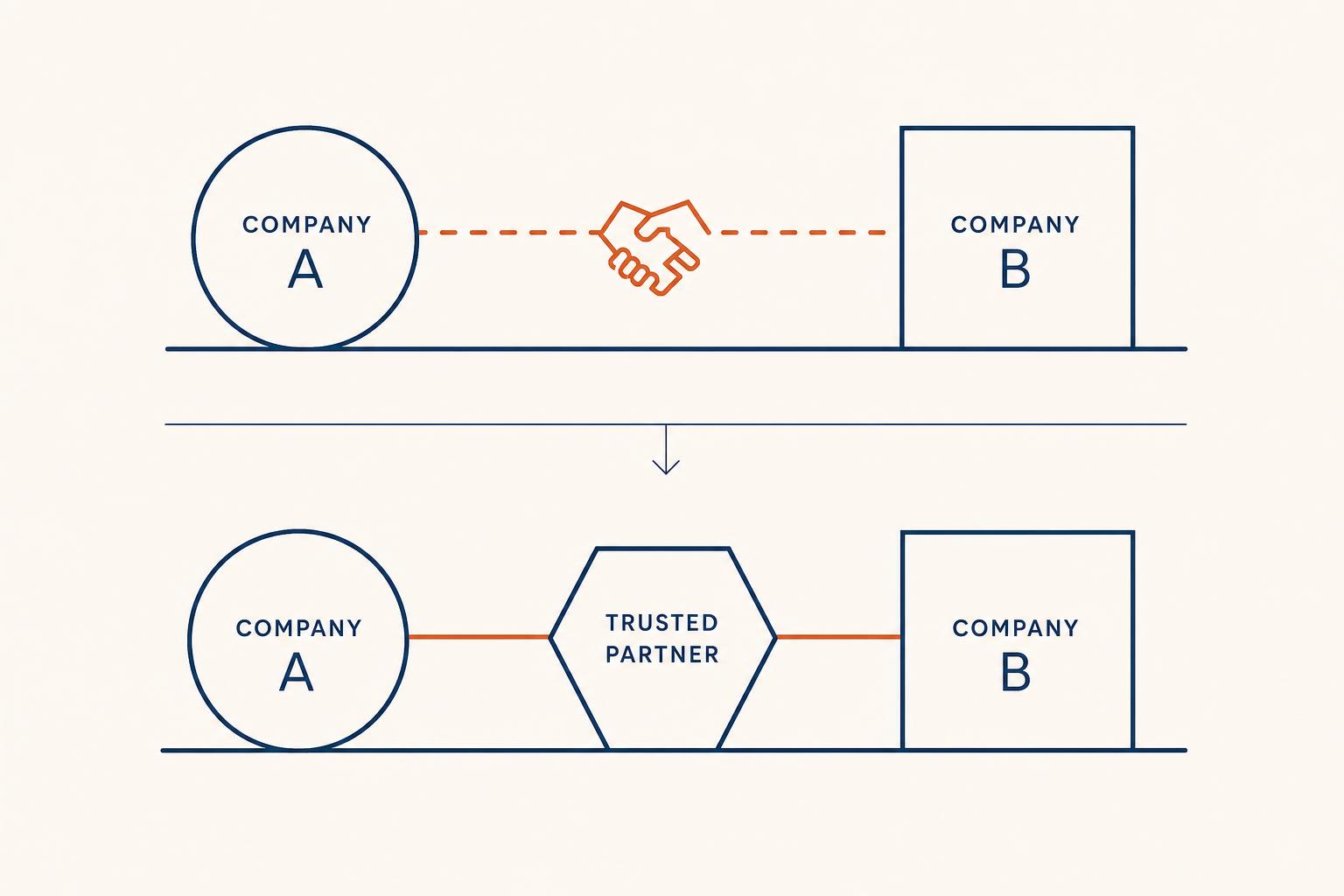
- Professional collection can leave room for the commercial relationship to continue after payment.
What this video covers
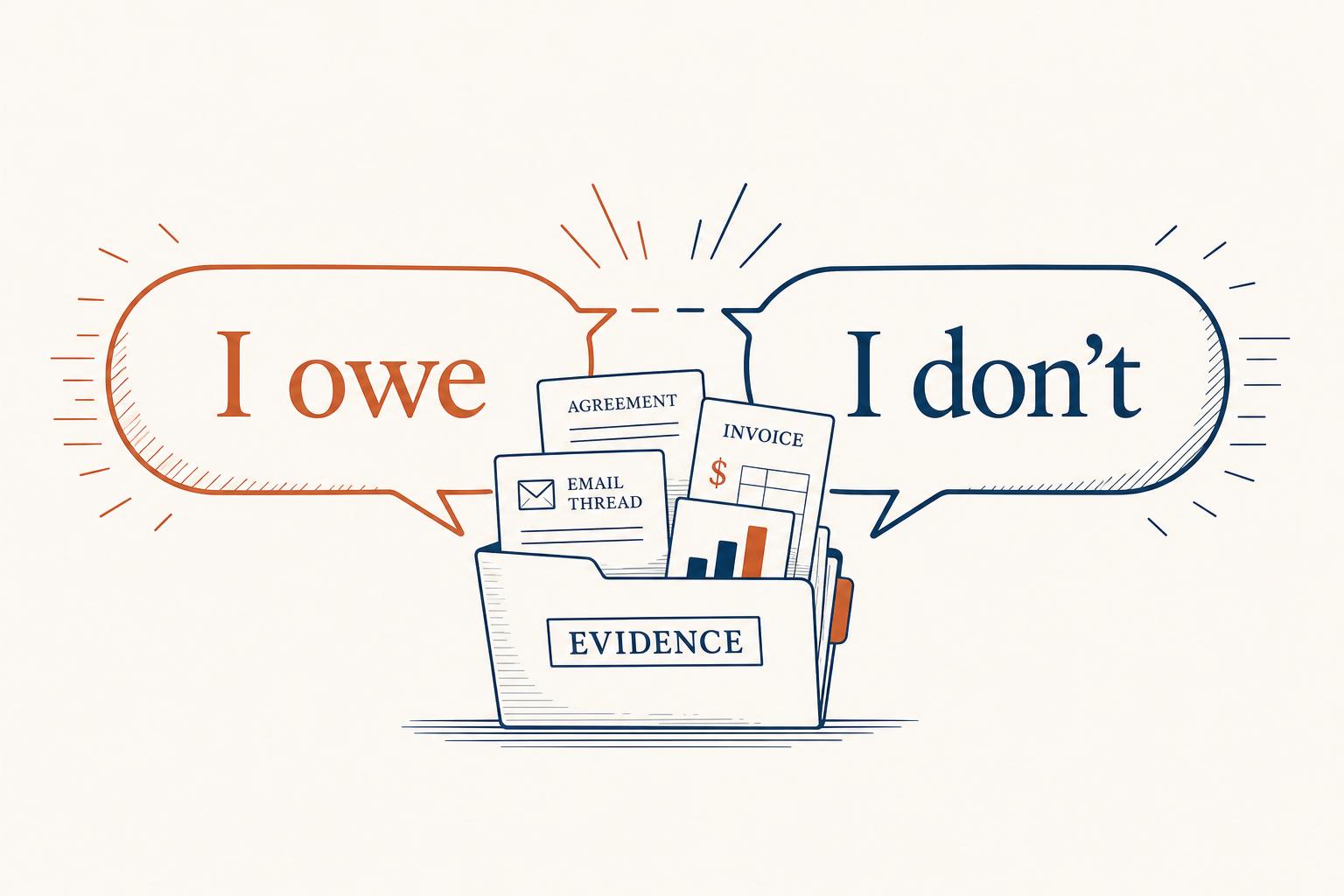
The video presents commercial debt collection as a measured administrative process rather than an aggressive confrontation. It begins with the agency examining invoices, contracts, previous communications and debtor information. This review checks whether the claim is valid and enforceable, whether the debtor is still operating and whether visible assets support pursuing recovery. For a contingency agency, that assessment informs whether it should commit its own resources. Next comes a formal notice in the debtor’s language. It sets out the unpaid invoice, relevant law and implications of further delay. The purpose is to open a productive payment discussion while making clear that informal reminders have given way to professional recovery. The video explains that most B2B claims between solvent companies settle before litigation, although the pattern depends on the jurisdiction and age of the debt. Where the debtor disputes the claim, stops responding or offers unacceptable terms, recovery may proceed through local lawyers and the appropriate court. Timing is governed by local procedure. Finally, it addresses concerns about customer relationships. Professional collection does not automatically end future business; the article reports that commercial ties continue in more than 60% of professionally handled cases.