Construction Late Payments: The $280B Crisis
This video examines the financial impact of delayed construction payments, from longer collection cycles to the borrowing costs borne by subcontractors. It covers U.S. payment data, UK insolvencies, California’s legislative response, and steps finance leaders can take to manage receivables risk.
Key takeaways
- The cost of delayed construction payments totaled $280 billion in 2024, with the article projecting $299 billion for 2025.
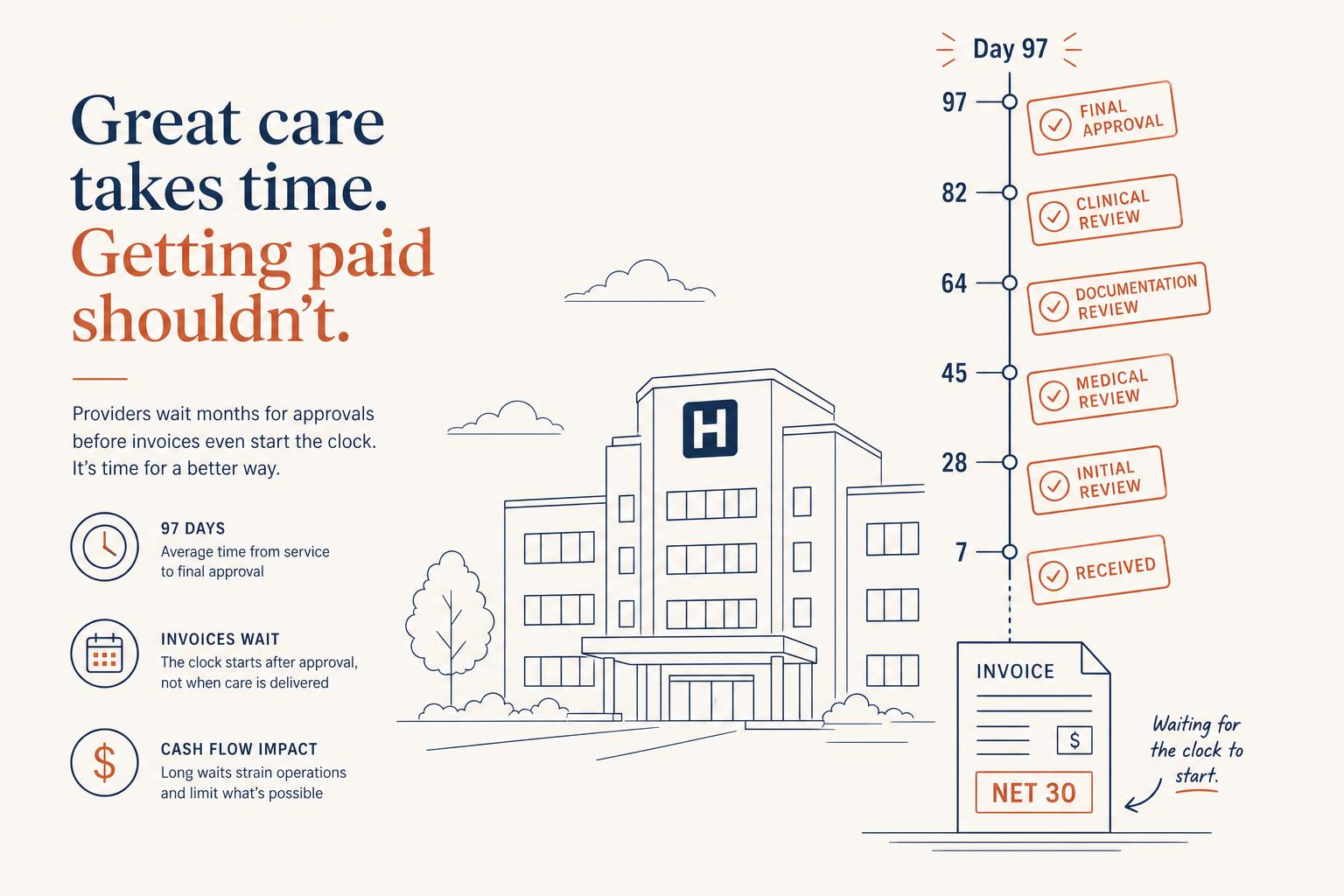
- Payment waits exceed 30 days for 82% of contractors, while the average payment cycle has lengthened to 96 days.
- With 87% of contractors advancing labor expenses before reimbursement, payment delays push financing pressure onto firms delivering the work.
- The UK recorded 3,912 construction insolvencies over a 12-month period, illustrating the sector’s exposure to liquidity problems.
- Finance teams can prioritize accounts using payment history, account for financing costs in bids, track lien deadlines, and escalate collections earlier.
What this video covers
This video explains how delayed payments turn construction receivables into a financing burden for contractors and subcontractors. The article puts the 2024 cost at $280 billion and projects $299 billion for 2025. With average payment cycles reaching 96 days, firms must fund payroll, materials, and insurance long before customer payments arrive. The video connects those delays to borrowing costs and higher bids. It highlights that 87% of contractors pay labor expenses ahead of reimbursement, while credit lines used to bridge payment gaps carry rates of 8–12%. It also examines the UK’s 3,912 construction insolvencies within one 12-month period as a warning about cash-flow vulnerability. California’s response provides another focus, including a 5% retention ceiling, a 30-day response requirement for owner payment claims, and measures addressing change-order delays and non-payment. For finance leaders, the practical lesson is to intervene before overdue balances become harder to collect. The article’s recovery figures fall from 95% at 30 days to 72% at 90 days. The video outlines a more proactive approach: assess customers’ payment records, build financing expenses into pricing, monitor counterparties’ financial condition, preserve lien rights through deadline tracking, and seek professional recovery support before invoices reach 60 days.