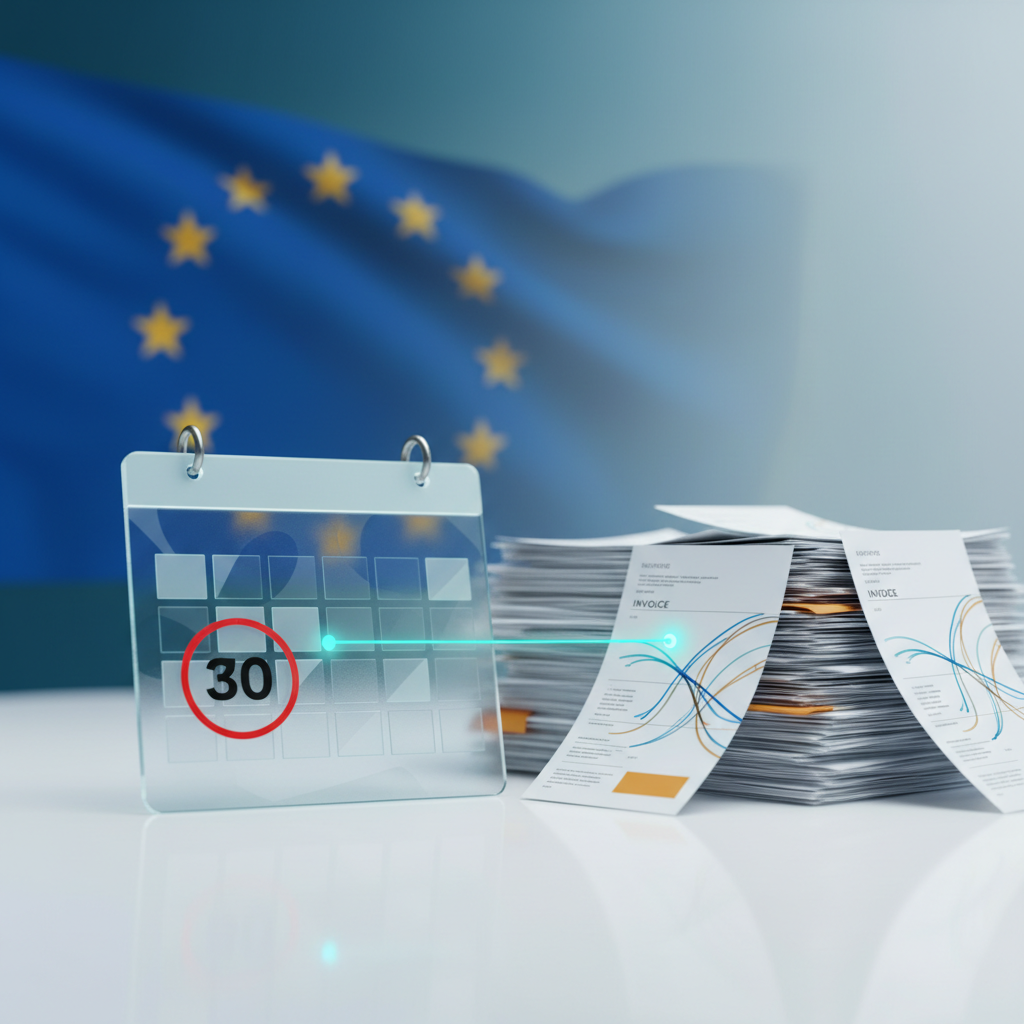
Embedded Finance Is Ending B2B Late Payments
This video explores how payment tools built into invoices and business systems can reduce B2B payment delays. It also examines diverging UK and EU regulatory developments and explains why professional debt recovery remains important even when paying becomes easier.
Key takeaways
- Integrating payment options into invoices and existing workflows removes administrative steps that can hold up settlement.
- Self-service portals, automated reminders and simpler payment methods can help reduce days sales outstanding and collection costs.
- The UK is pursuing stronger late-payment measures, while the EU’s proposed regulation has stalled, making local knowledge important for cross-border recovery.
- Records of invoice views and payment attempts give collection professionals more context when assessing unpaid accounts.
- Digital payment tools address process-related delays but cannot prevent every instance of deliberate non-payment.
What this video covers
The video explains how embedded finance addresses a practical cause of overdue B2B invoices: the work required to process and pay them. Rather than asking buyers to move between disconnected systems, businesses can provide payment links, account portals and other payment methods within the tools buyers already use. Removing these steps can accelerate settlement, improve cash-flow predictability and reduce time spent pursuing outstanding balances. It also distinguishes administrative delays from intentional non-payment. A simpler payment experience will not persuade every debtor to settle. However, digital records showing whether an invoice was opened or a payment was attempted can help collection professionals assess the situation and decide how to proceed. Continued non-payment despite convenient options can strengthen the rationale for escalation. The regulatory discussion highlights differences between markets. The UK is moving toward tighter payment-term limits and stronger enforcement, whereas the EU’s proposed replacement rules have stalled. Businesses collecting across borders therefore need strategies that reflect local requirements. The central lesson is to combine prevention with recovery expertise. Modern payment infrastructure can reduce avoidable delays, but businesses still need a clear response when invoices remain unpaid.