What To Do When a Client Won't Pay Their Invoice
This video explains how to handle an unpaid business invoice when routine reminders have failed. It covers formal demands, disputed balances, the cost of internal collection efforts, professional recovery support, and when to consider litigation.
Key takeaways
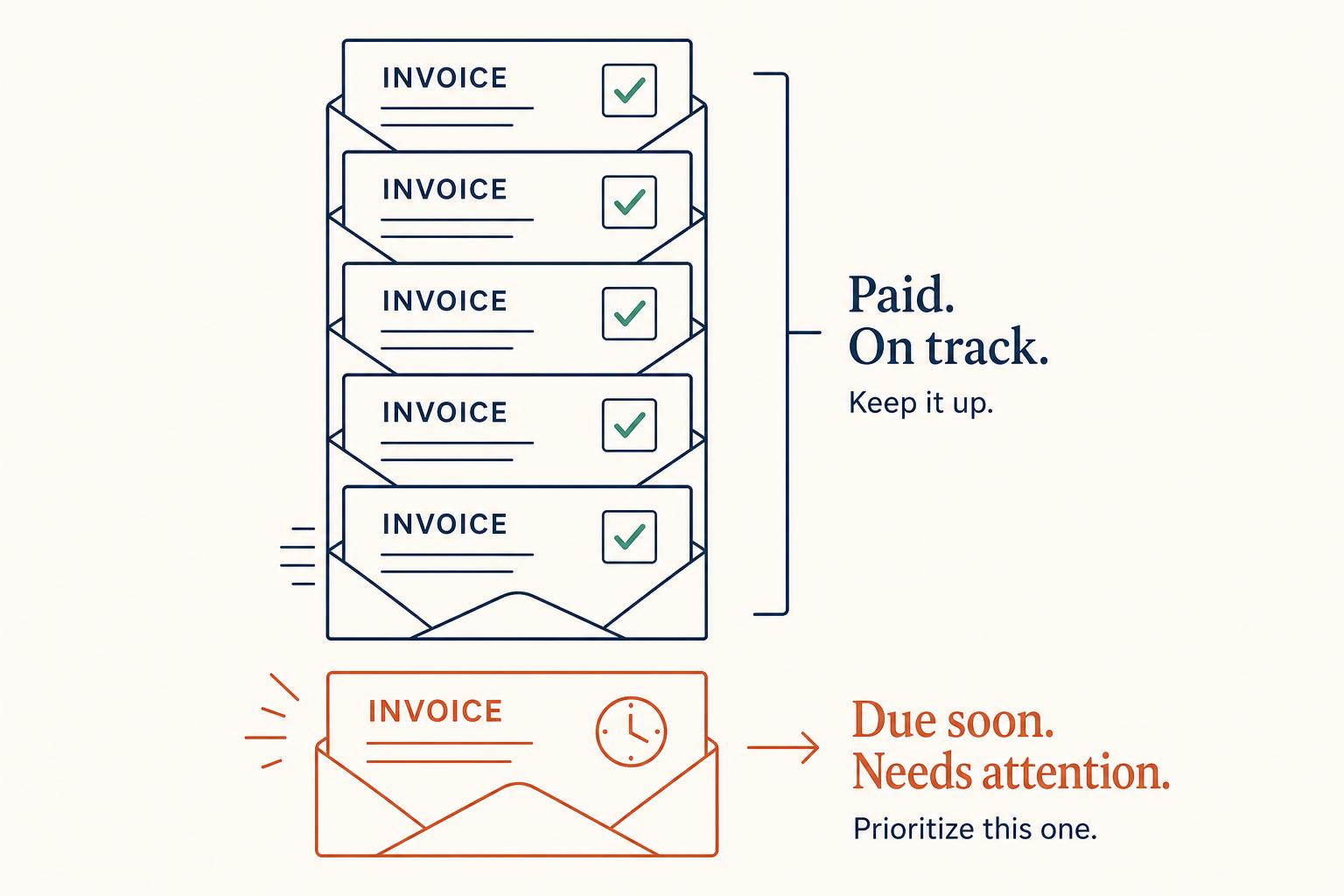
- Replace informal reminders with a written demand that specifies the debt, contractual terms, applicable interest, and a 14-day payment deadline.
- Address complaints in writing while pursuing any balance the client does not dispute.
- Calculate the staff time spent chasing payment before comparing internal efforts with professional collection fees.
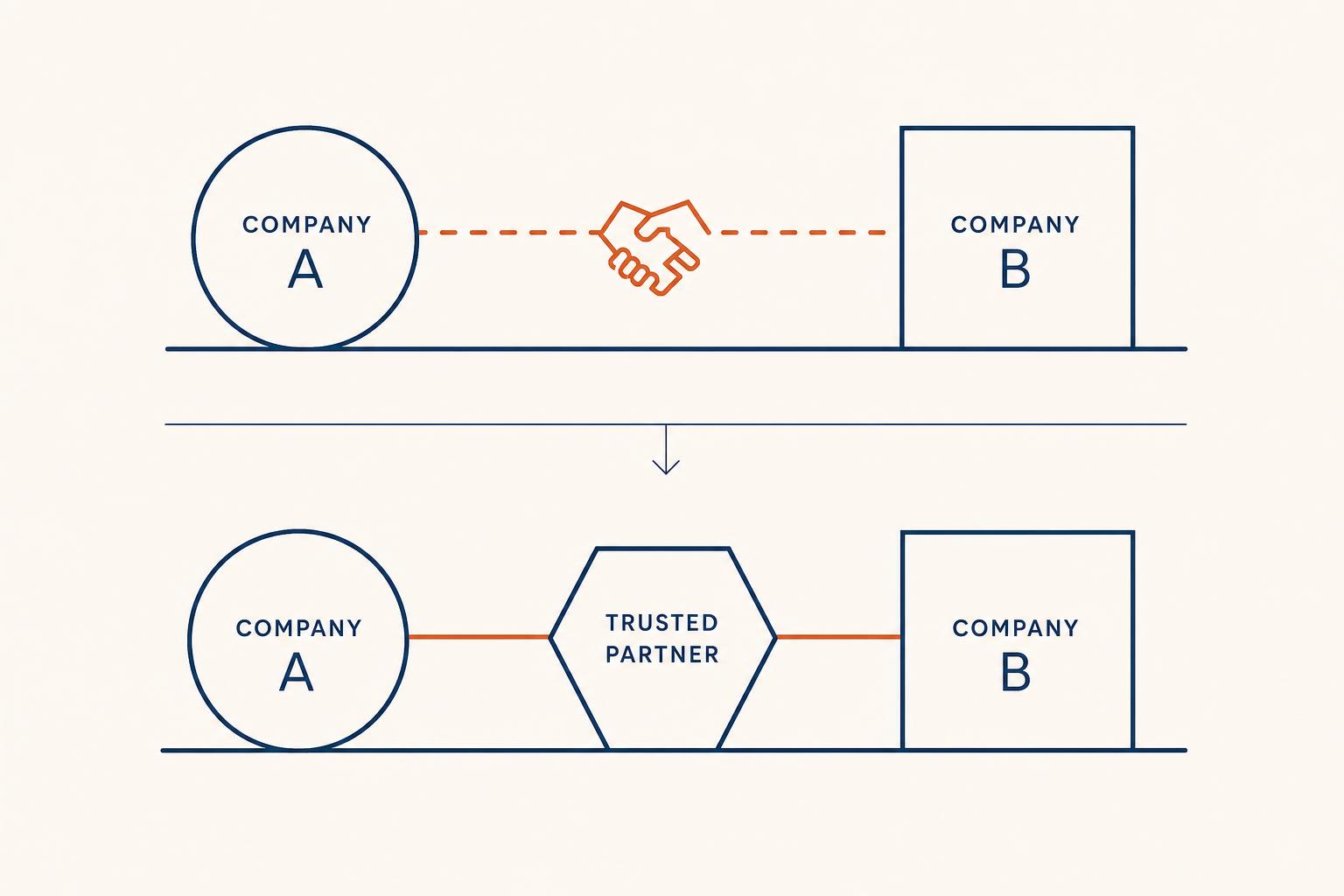
- Consider an agency after 30–45 days of unsuccessful reminders and personal contact.
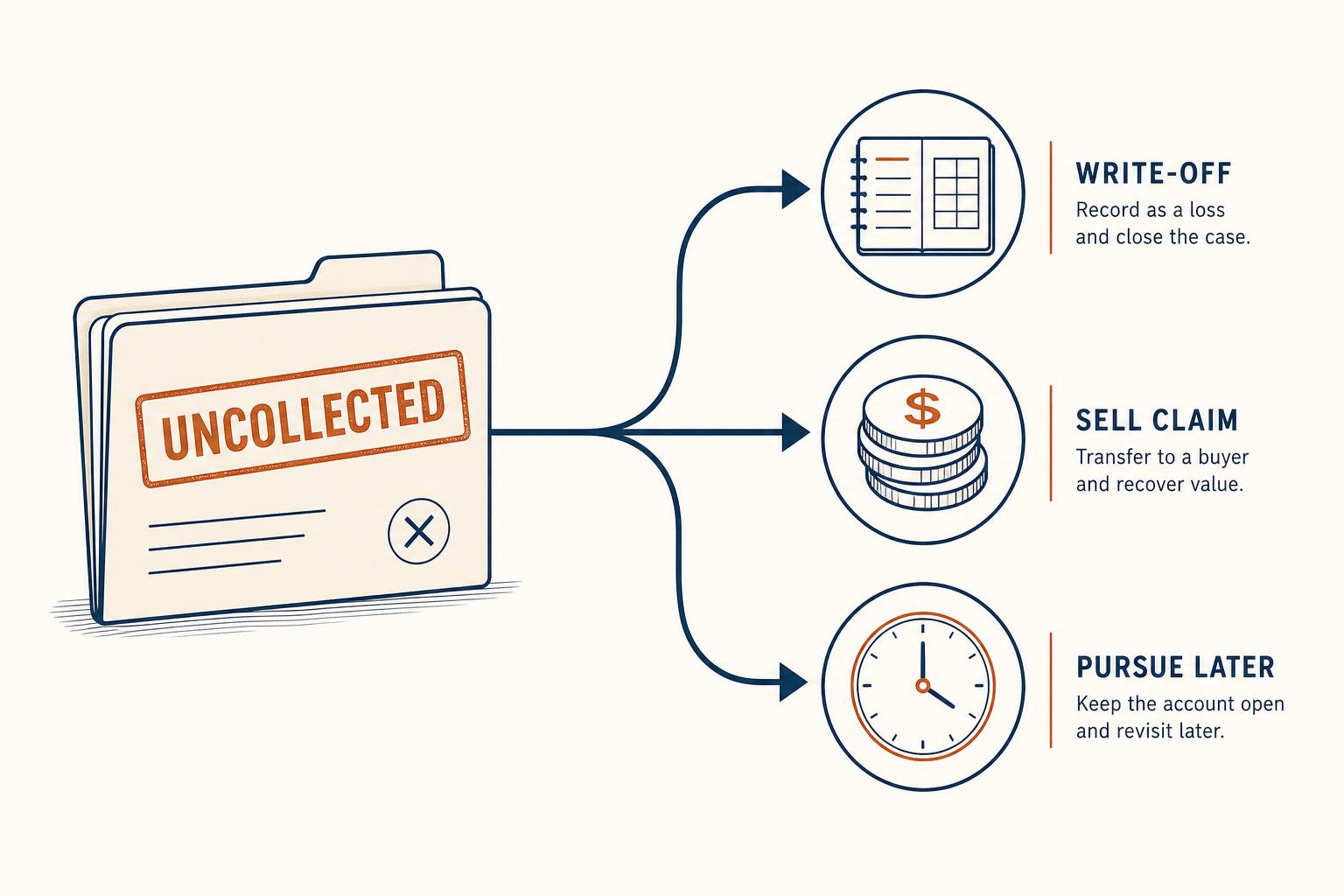
- Set a legal-action review point if amicable recovery has not delivered results after 60–90 days.
What this video covers
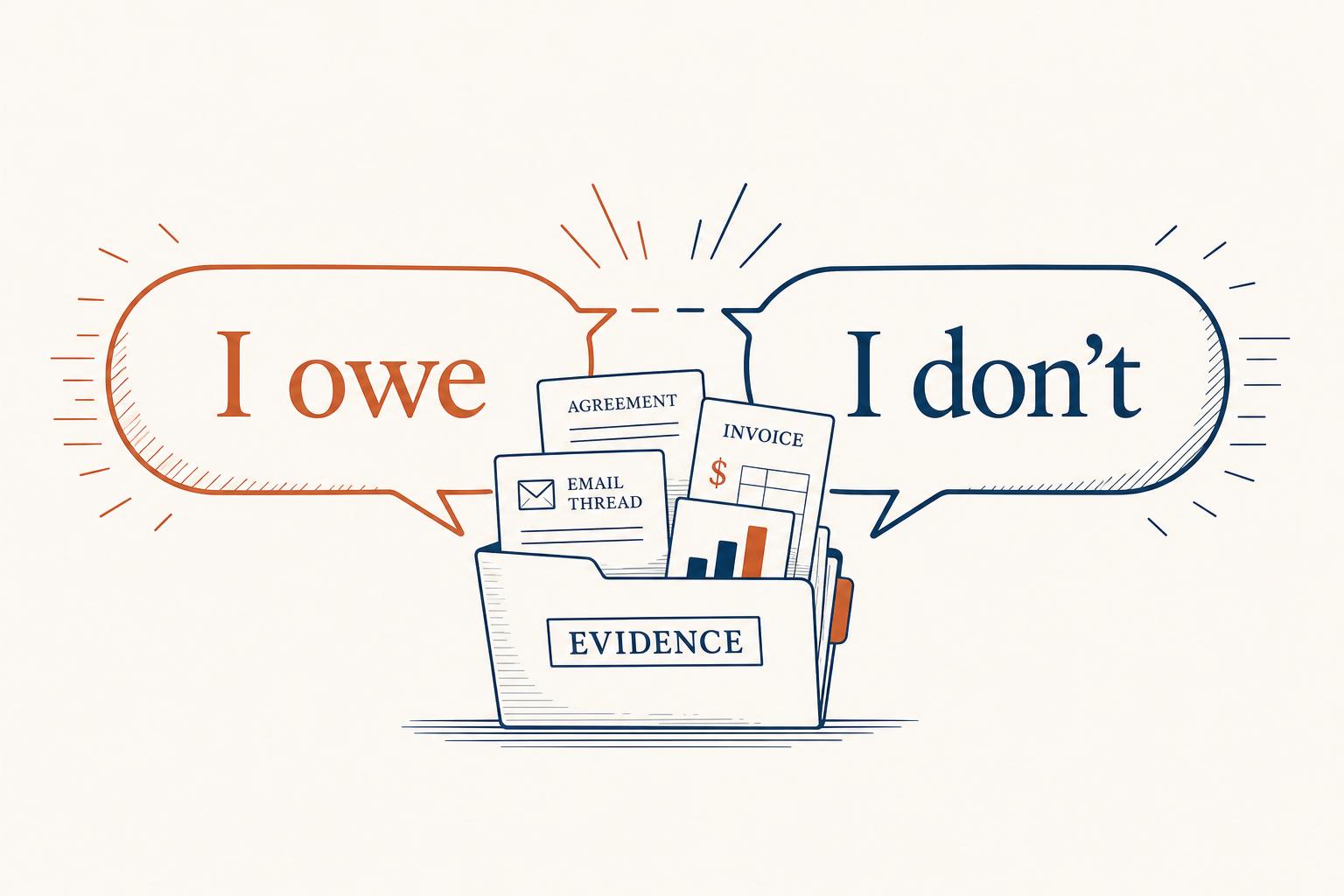
The video presents a structured response to overdue B2B invoices, replacing repeated informal reminders with a defined collection process. It begins with a formal written demand covering the contract, outstanding sum, original payment date, relevant interest, and a 14-day window to pay. Next, it explains how to handle disputes without allowing them to stall collection of the entire invoice. Complaints should receive a written response, while any undisputed portion remains payable. The third step is to assess the internal cost of recovery work, including the time senior employees spend on calls, correspondence, and meetings. The video then discusses bringing in a collection agency when reminders and direct contact have failed over 30–45 days. It describes contingency-based pricing, with typical fees of 5–25% of recovered funds depending on the account’s age, value, and complexity. If amicable efforts remain unsuccessful after 60–90 days, the next step is a deliberate decision about litigation, informed by expected costs, timing, and recovery prospects. Finally, it covers jurisdiction-dependent limitation periods and EU late-payment rights, including interest and minimum compensation of €40 per invoice. Its central lesson is to act promptly and evaluate collection choices against both their costs and the diminishing likelihood of recovery.