How To Write a Demand Letter for an Unpaid Invoice (With Template)
This video explains how to prepare a formal payment demand for an overdue business invoice, including the essential details and a 14-day payment window. It also covers the letter’s legal role, possible debtor responses, and when involving a collection professional may be more appropriate.
Key takeaways
- Identify the debtor by its registered legal name, specify the invoice reference and balance, and state the original payment date.
- Include any applicable overdue interest, allow 14 days for payment, and explain the escalation planned if the balance remains unpaid.
- A demand letter is not a judicial order, but it can document your payment request and support later proceedings.
- Payment, negotiation, or continued silence each help determine the next recovery step.
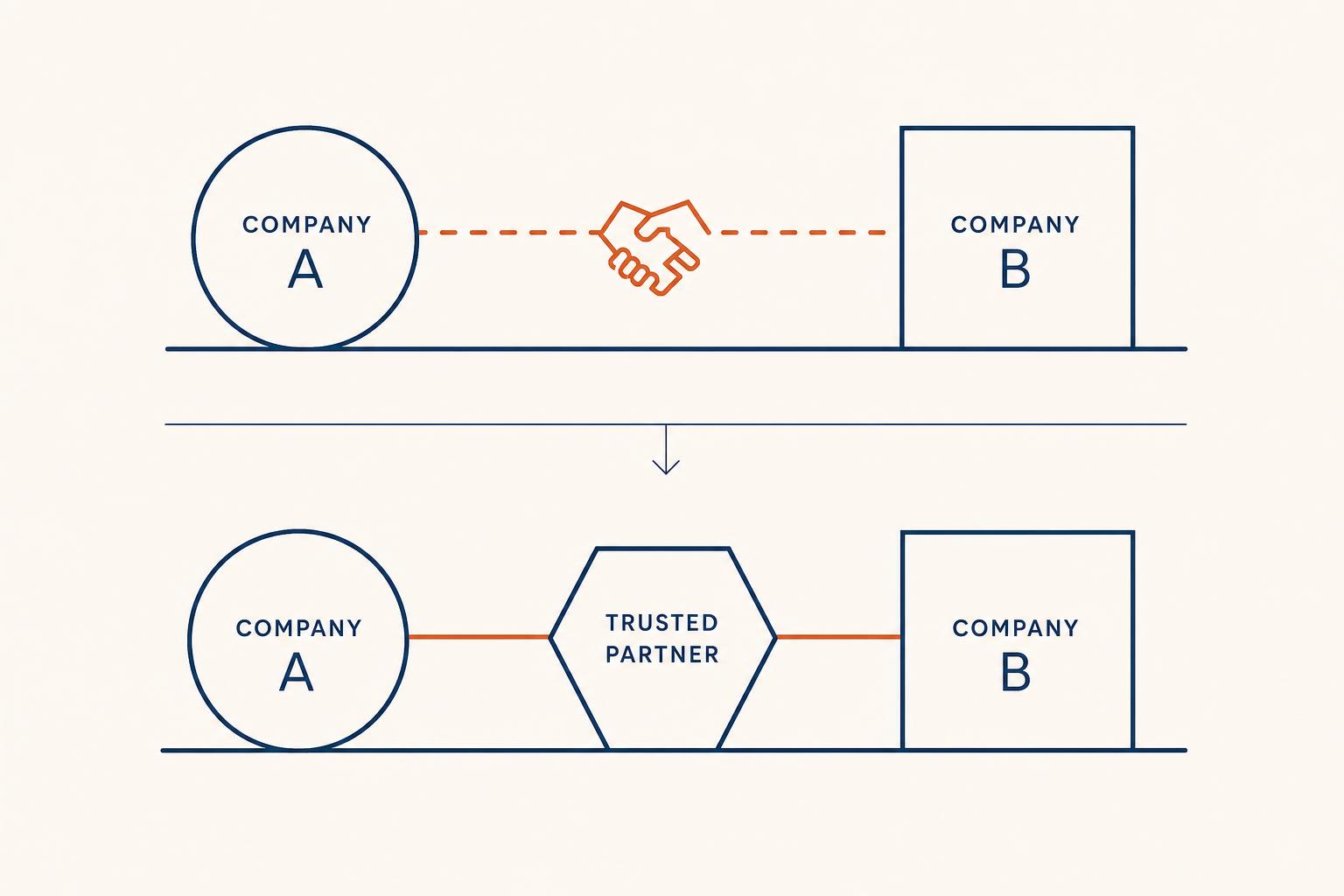
- Consider professional involvement for cross-border debts, invoices above €5,000, or payments more than 60 days overdue.
What this video covers
This video teaches businesses how to turn an overdue invoice into a clear, formal payment request. It walks through the information a demand letter needs: the debtor’s registered identity, the invoice reference and outstanding balance, the original due date, any applicable interest, a 14-day payment period, and the intended next step if payment does not arrive. The template also provides space for contact details so the debtor can discuss a resolution. The video explains that a demand letter does not carry the authority of a court ruling. Its value includes recording a formal request, establishing or confirming the basis for overdue interest, and building evidence for potential litigation. Requirements differ by jurisdiction, with examples drawn from France, Germany, and the UK. It also explores how to respond when the debtor pays, seeks an arrangement, or remains silent. Repeatedly sending letters after sustained non-response may no longer be useful. The video distinguishes between situations where a business can reasonably send its own demand and those that warrant professional involvement, particularly larger balances, international accounts, or debts overdue by more than 60 days. The central lesson is to assess both the contents of the letter and whether another letter is still the right recovery step.