The 5 Real Reasons Your B2B Client Stopped Paying (Only One of Them Is "They Can't Afford It")
This video explores five reasons B2B customers withhold payment: unresolved disputes, competing creditor priorities, internal approval politics, currency complications and strategic default. It explains how identifying the actual obstacle helps you choose between negotiation, payment restructuring and credible escalation.
Key takeaways
- Ask what is blocking payment before treating an overdue invoice as a liquidity problem.
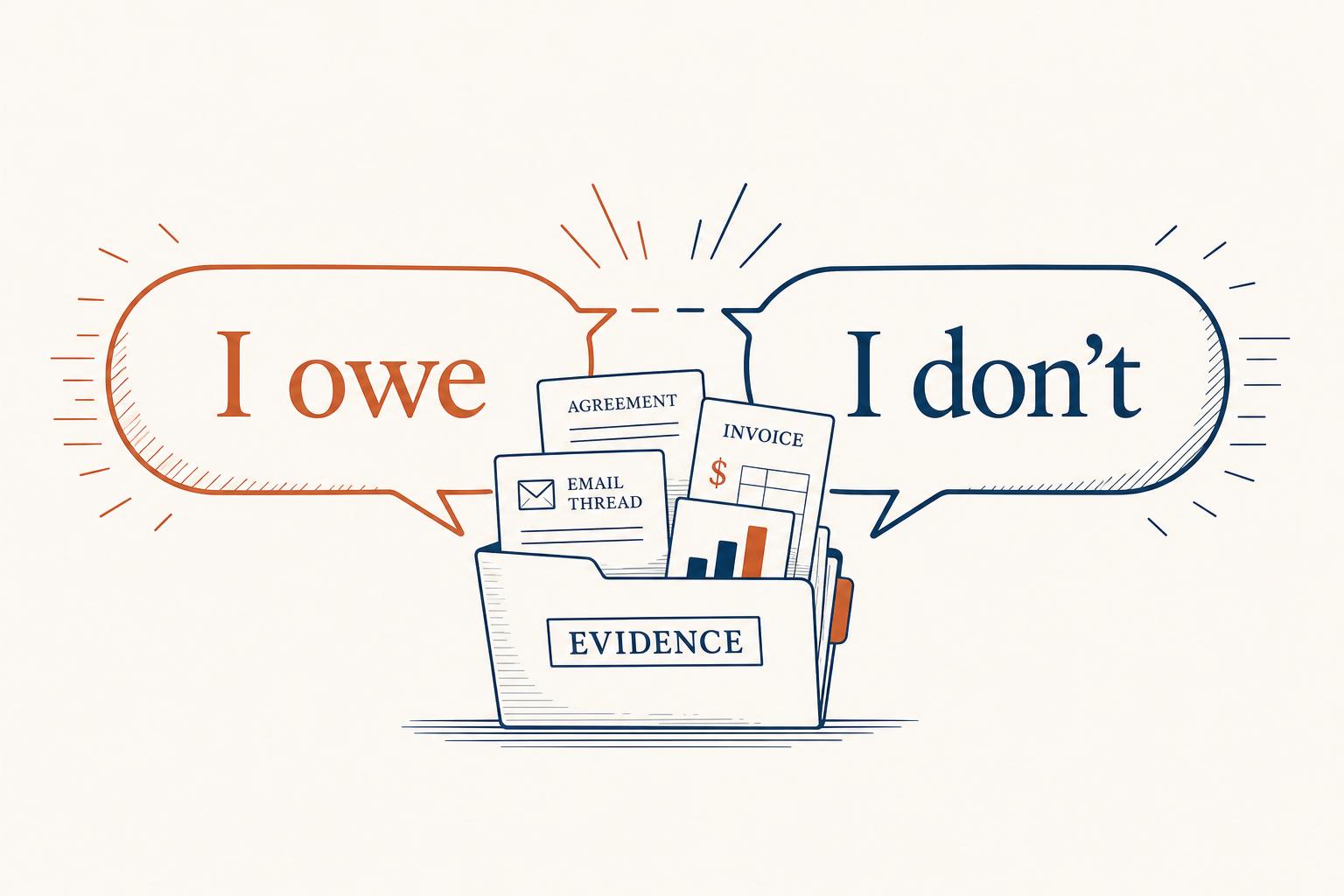
- Unreported delivery or quality complaints may require a negotiated adjustment before the outstanding balance can be recovered.
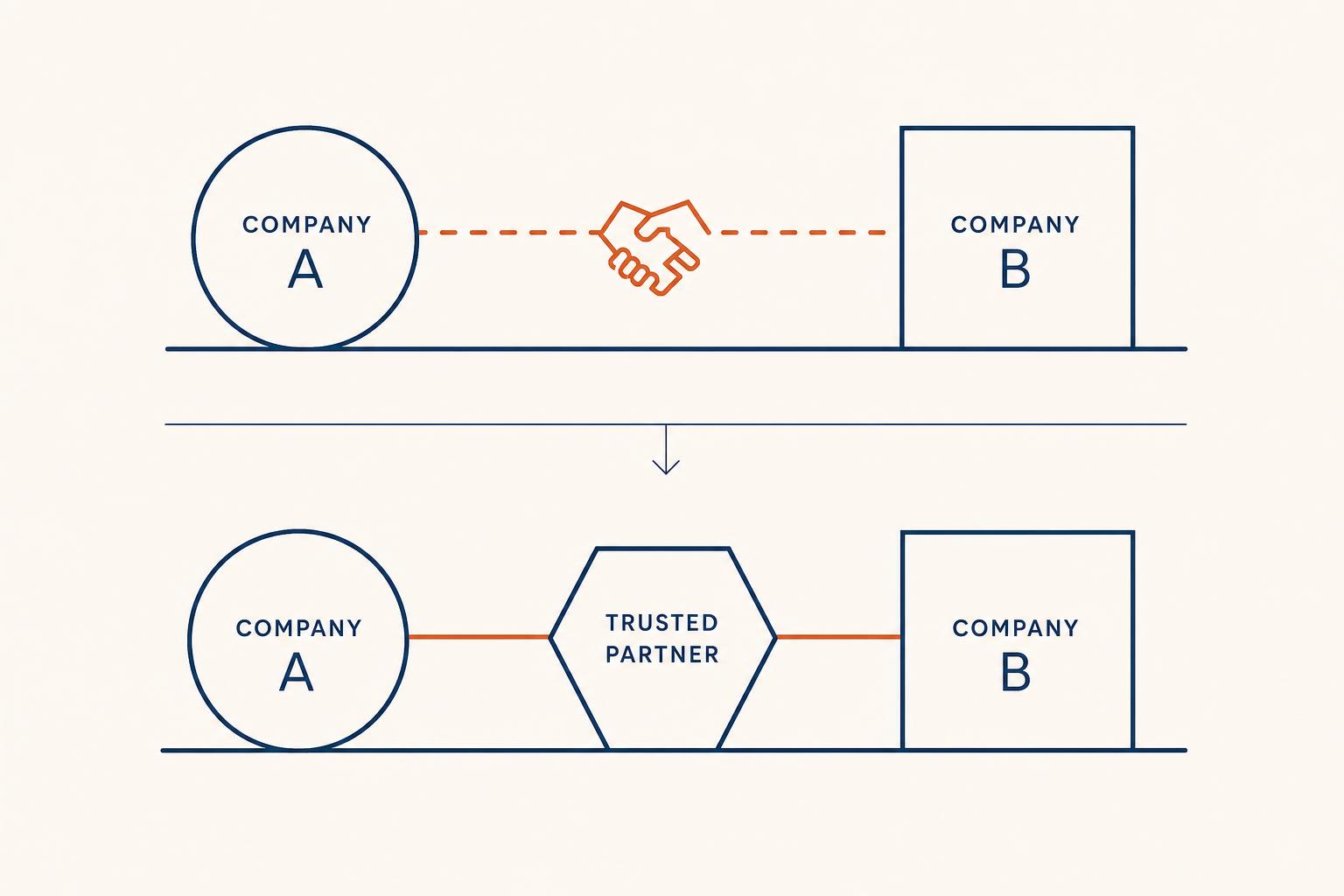
- Credible third-party involvement can change your position among competing creditors and challenge deliberate payment delays.
- Internal approval barriers may respond to a structured settlement or an external demand that gives staff a reason to act.
- Cross-border recovery needs to account for exchange-rate changes, remittance requirements and workable local payment arrangements.
What this video covers
The video teaches why effective B2B debt recovery starts with diagnosis rather than another routine reminder. A customer’s failure to pay may stem from an unresolved operational issue, a low position in its payment priorities, internal reluctance to approve an invoice, cross-border currency difficulties or a calculated decision to delay. For hidden disputes, the first step is to uncover the complaint. Delivery, quality or scope concerns can remain inside the debtor’s organisation without reaching the supplier. Once identified, an agreed adjustment can help unlock payment of the remaining amount. When other creditors take priority, professional collection involvement can demonstrate that continued delay will face a meaningful response. Internal politics require a different approach: a structured settlement may make approval easier, while a formal demand can give an internal contact grounds to move the issue forward. The video also distinguishes exchange-rate pressure from remittance compliance delays. Local expertise can help identify a feasible payment arrangement rather than allowing those constraints to become a deadlock. Finally, it examines customers that delay despite having the means to pay. For these cases, a formal demand, defined escalation timetable and relevant legal options can change the commercial calculation. The central lesson is to establish the cause of non-payment and match the recovery approach to it.