The 90-Day Cliff: Why Your Unpaid B2B Invoice Loses Half Its Value After Three Months
This video examines the reported 51.9% loss in value for U.S. SME B2B payments outstanding more than 90 days after their due date. It explains why recovery prospects deteriorate and outlines how finance teams can adapt their approach as invoices age.
Key takeaways
- The 51.9% figure concerns lost payment value, not the percentage of invoices that remain unpaid.
- Accounting close cycles, changes in debtor contacts, and worsening financial conditions can all make older invoices harder to collect.
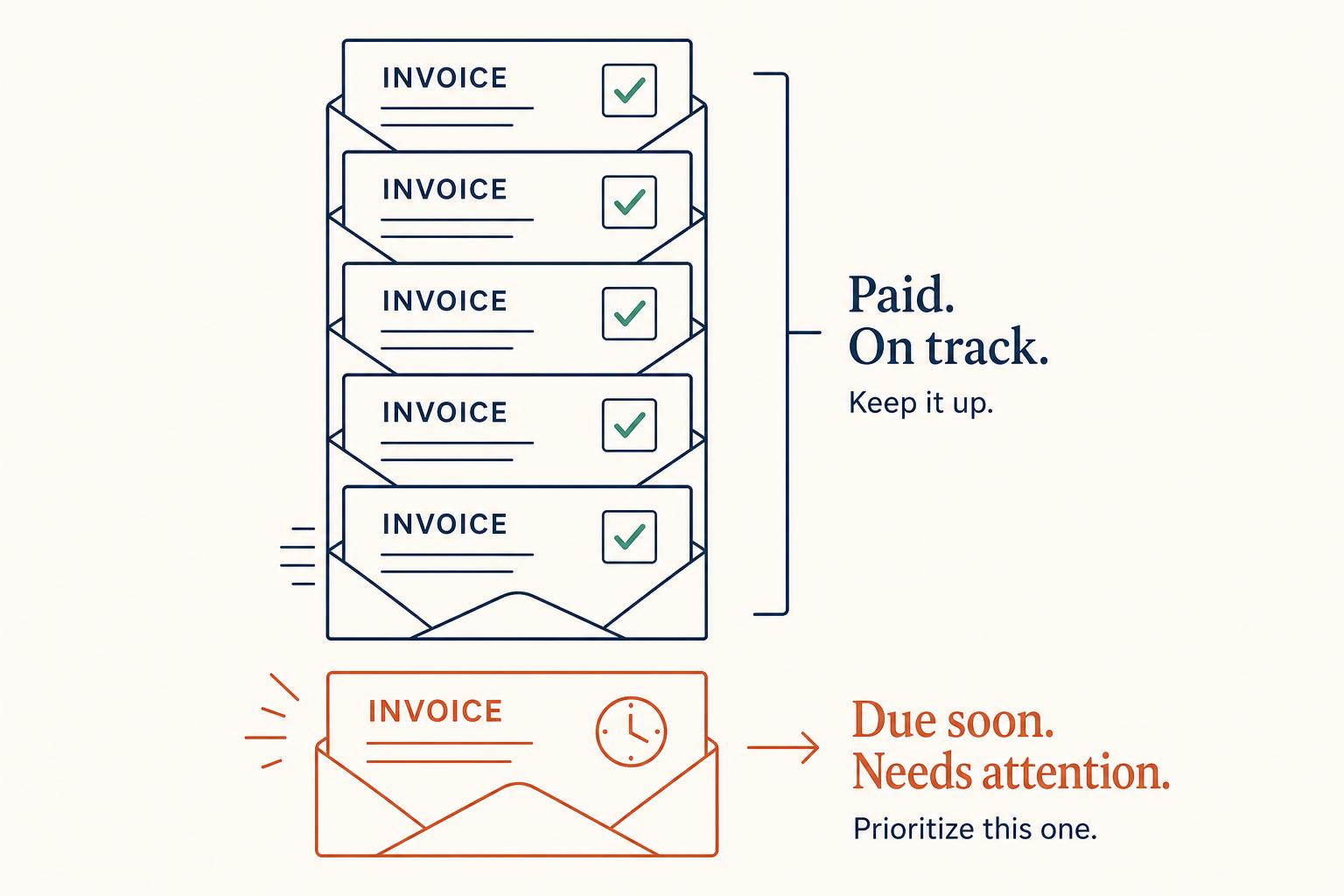
- Use the first 30 overdue days for prompt, professional follow-up; during days 31–60, investigate the specific reason for non-payment.
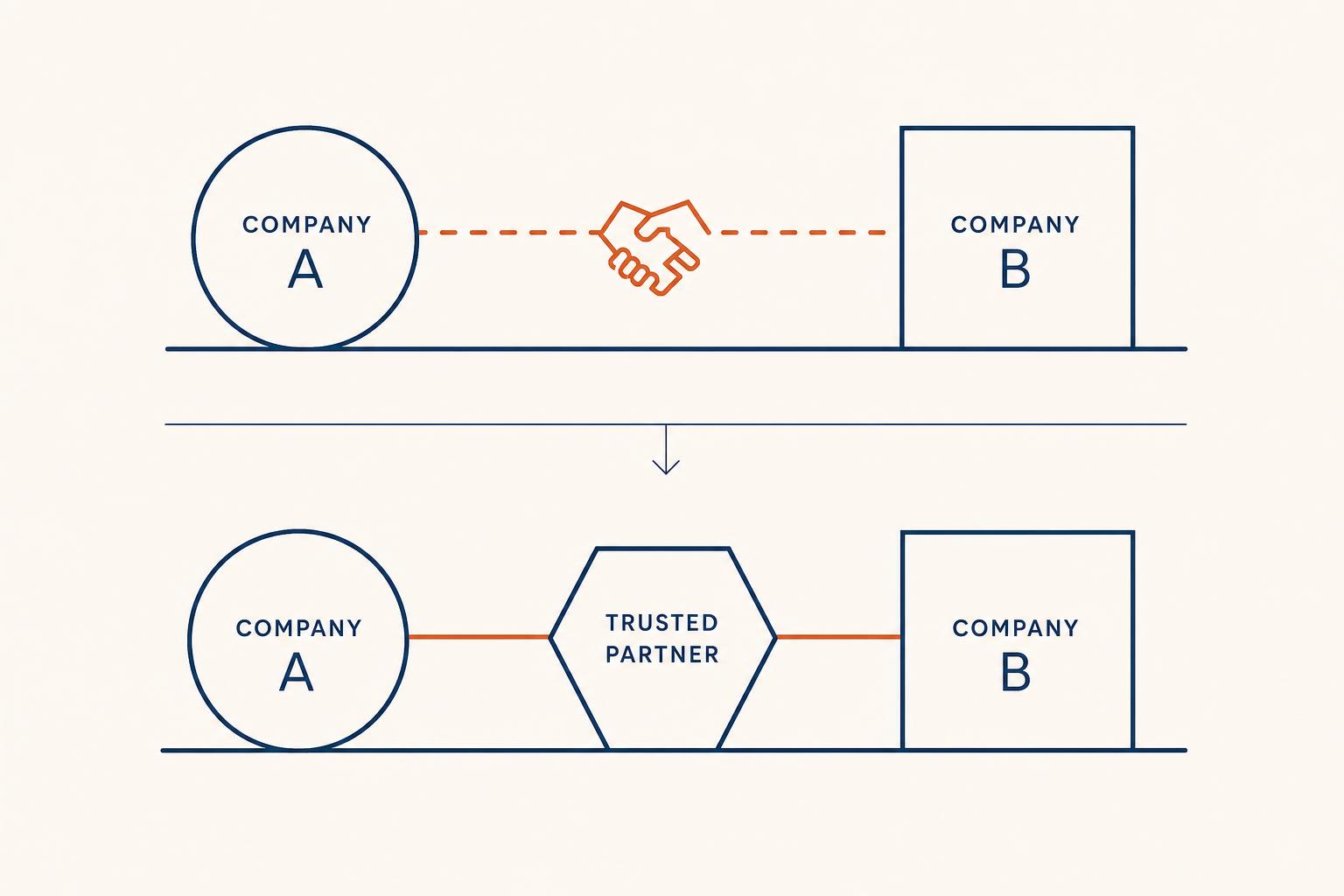
- During days 61–90, consider professional collection support rather than continuing the same internal reminders.
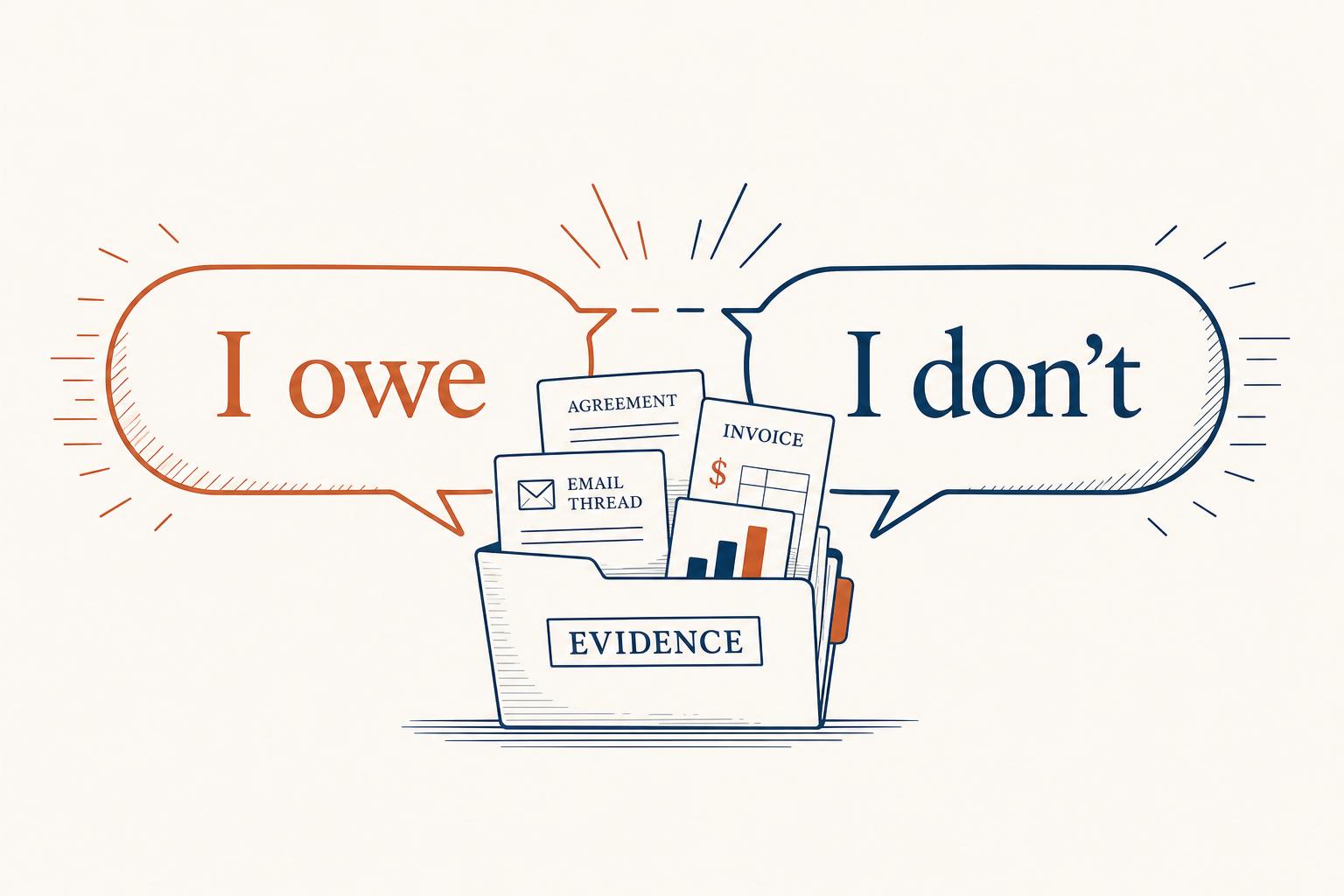
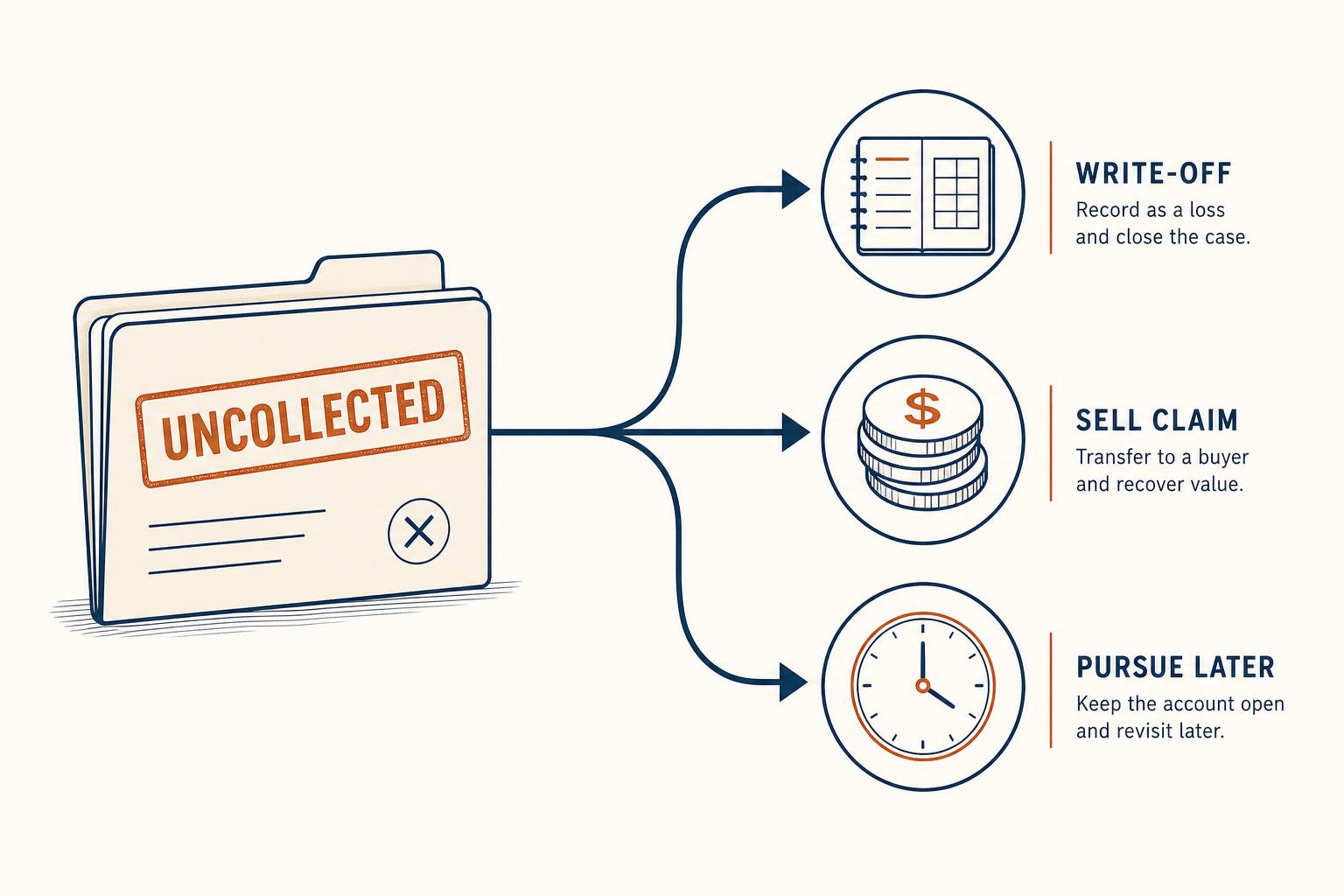
- For debts older than 90 days, assess the debtor’s operating status, supporting records, contractual performance, and available enforcement options before deciding whether to pursue recovery.
What this video covers
The video explains why overdue B2B receivables require early attention rather than a prolonged cycle of reminders. Its central statistic is a reported 51.9% decline in value for U.S. SME payments still outstanding beyond 90 days overdue. This measures value lost, not the share of invoices that go unpaid. Three developments help explain the deterioration. Monthly or quarterly accounting routines can push an unresolved invoice out of immediate consideration. Staff changes can remove the contact who understands the transaction. Meanwhile, a debtor’s short-term cash shortage may develop into deeper financial trouble, leaving fewer resources available for repayment. The video then maps collection priorities to invoice age. In the first 30 overdue days, prompt and professional contact offers the strongest opportunity for resolution. From days 31–60, finance teams should establish whether a dispute, administrative problem, or cash constraint is blocking payment. During days 61–90, specialist involvement can help restore urgency. Beyond that point, recovery may involve legal costs and longer timelines. Viewers also learn why a write-off affects more than the receivable itself: it can consume staff time, strain supplier payments, and increase the revenue needed to replace lost profit. For older debts, the practical next step is a documented assessment of recoverability rather than assuming every claim is either collectible or worthless.