The 90-Day Rule: Why Waiting To Collect Costs You Money
This video explains how the likelihood of collecting a B2B invoice declines as it ages and why delayed action can be expensive. It covers the forces behind falling recovery rates, when to consider professional collection, and how a structured intervention can affect client relationships.
Key takeaways
- The recovery estimates presented fall from about 94% at 30 days overdue to 73% at 90 days and below 50% after six months.
- Fading recollection, competing creditors, and changes within the debtor’s business can all make older invoices harder to collect.
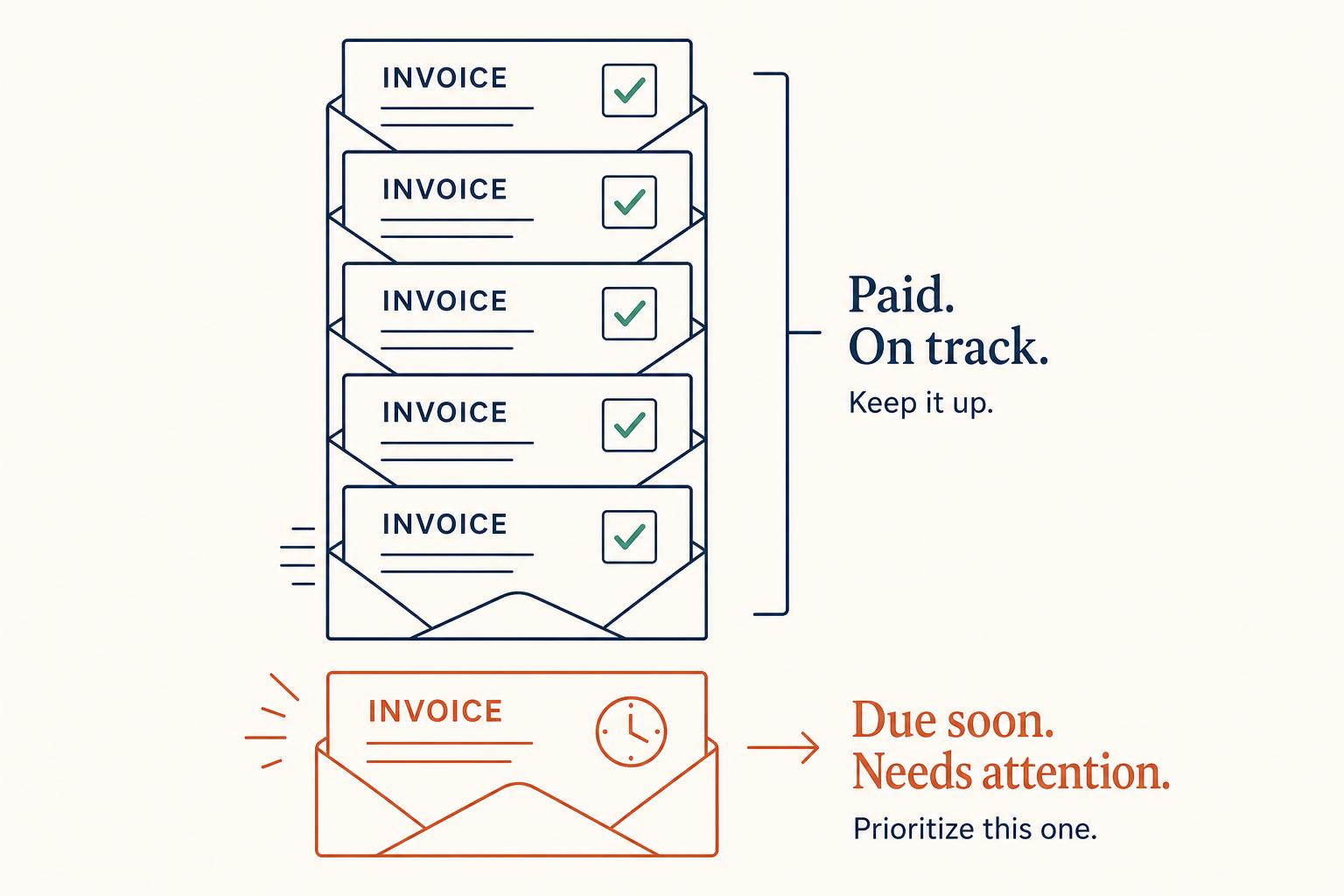
- The recommended referral window is 45–60 days overdue, once internal reminders have been exhausted.
- Properly handled professional collection can restore accountability and sometimes help clients return to regular payment terms.
- Waiting carries two costs: lower expected recovery and more staff time spent pursuing payment.
What this video covers
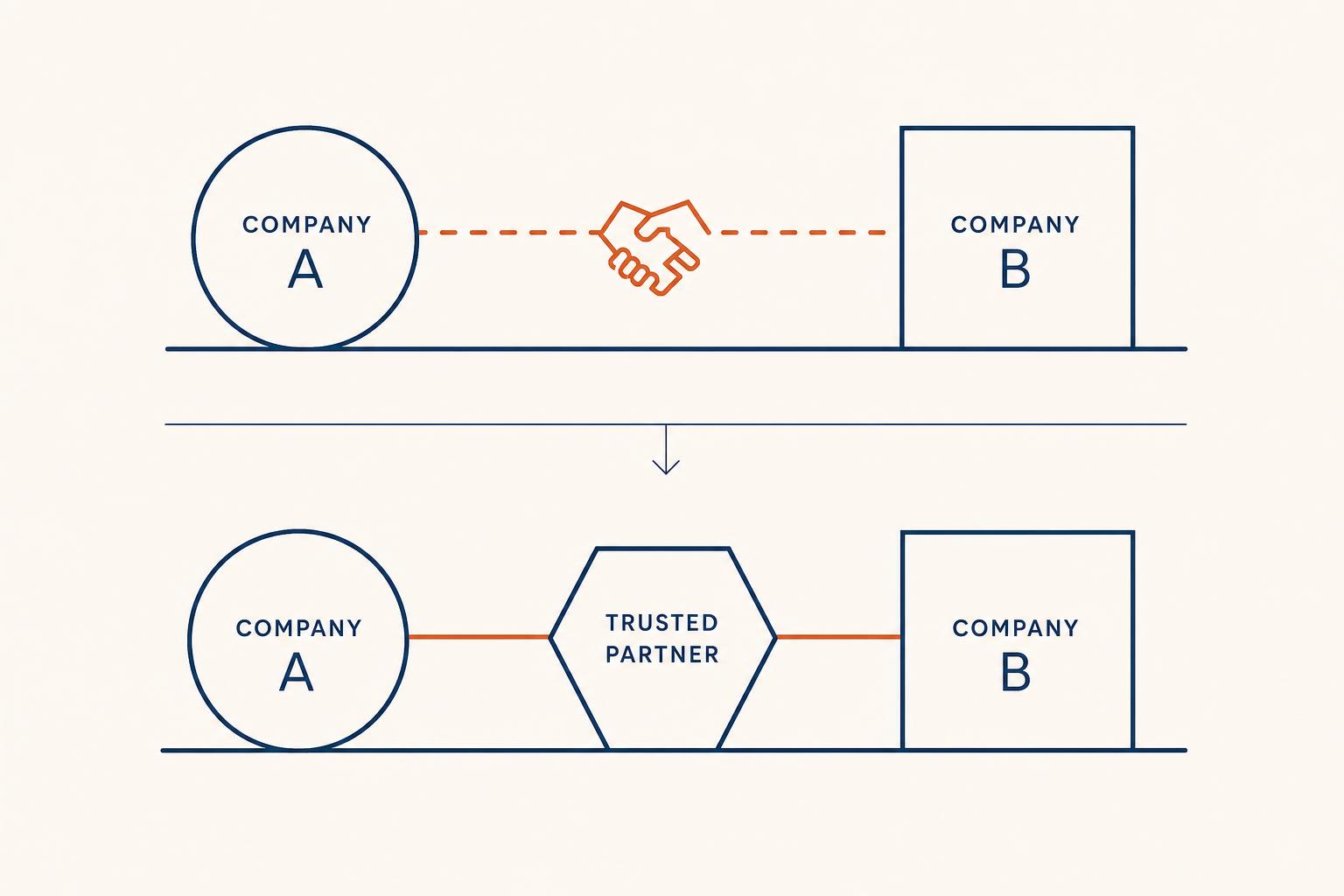
The video shows why the age of an unpaid B2B invoice matters when deciding how to pursue it. It presents recovery estimates of approximately 94% at 30 days overdue, 73% at 90 days, and 25–29% after a year. The lesson is that postponing action can substantially reduce the amount you can reasonably expect to recover. Three factors explain the decline. Debtors become less connected to the original transaction, available funds go toward other creditors, and organisational changes can make invoices more difficult to trace or approve. A strong prior relationship does not remove these obstacles. The video recommends considering professional collection when an invoice is 45–60 days overdue and internal reminders have not produced payment. It also addresses concerns about preserving client relationships, explaining that a well-managed collection process can introduce accountability and help restore normal payment behaviour. A €100,000 invoice illustrates the financial stakes: its expected recovery falls by €21,000 between 30 and 90 days overdue. That reduction comes on top of the time employees spend emailing, calling, and discussing next steps. Together, these costs make continued delay a financial decision rather than a neutral choice.