What AI Can't Collect: Cross-Border Debt Needs Humans
This video examines where automation helps B2B debt recovery and where cross-border legal requirements demand human expertise. It explores country-specific collection procedures, the limits of automated persuasion, and how finance teams can combine AI-supported workflows with specialist intervention.
Key takeaways
- Use AI to prioritize overdue accounts, assess payment likelihood, and manage routine reminders.
- Human interaction matters when securing repayment commitments, particularly in complex recovery cases.
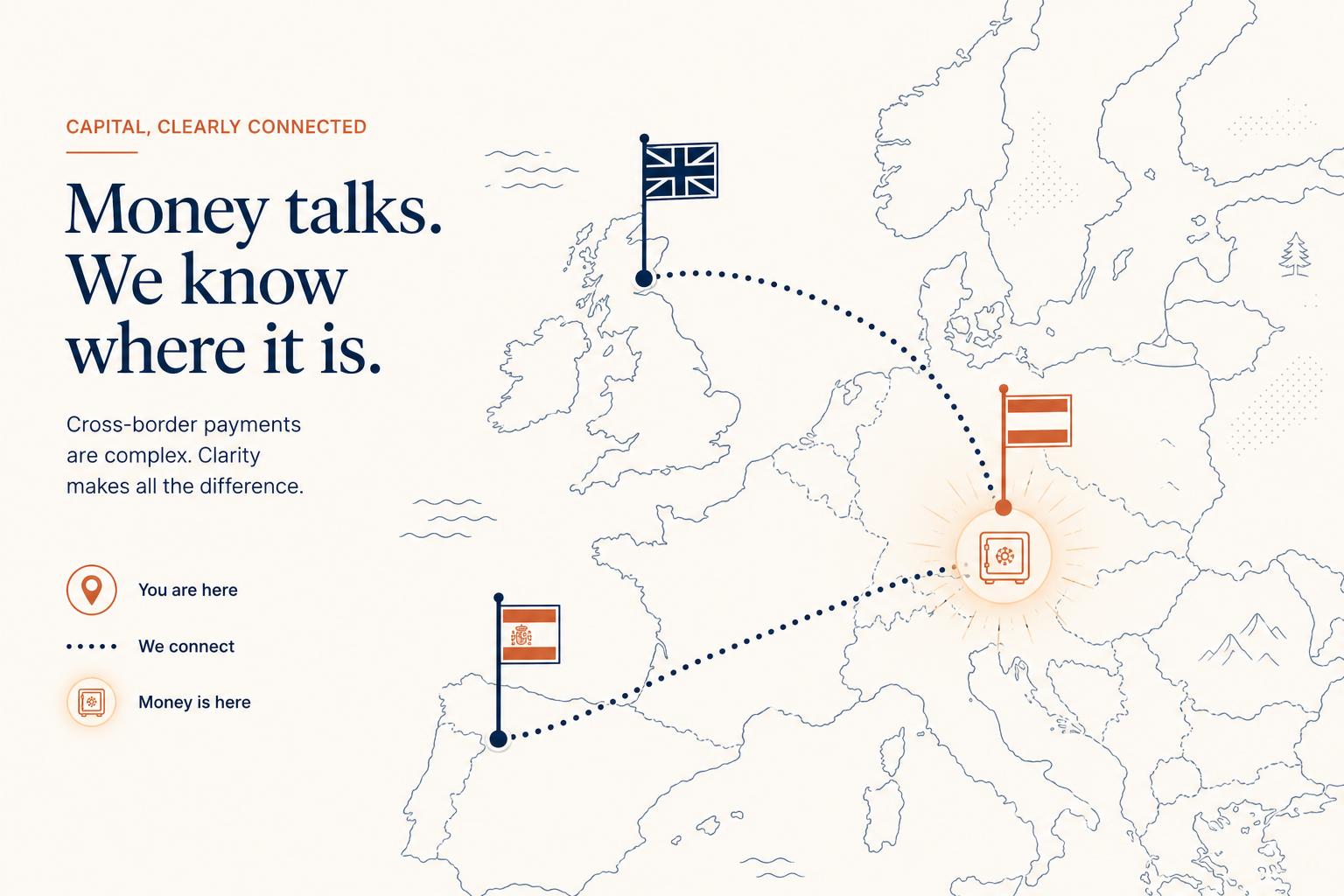
- Legal instruments in Germany, France, Italy, and the UK have distinct evidence, service, and procedural requirements.
- Standardized European payment procedures do not eliminate the need for local expertise when debtors object.
- Escalate difficult accounts to specialists who can investigate debtors, negotiate repayment, and coordinate legal action.
What this video covers
The video explains why efficient automation does not remove the human demands of international B2B debt recovery. AI supports early-stage work by sorting accounts, assessing repayment prospects, and handling repetitive contact. However, obtaining a firm payment commitment involves more than choosing the right outreach channel. The article cites Yale research in which automated callers recovered less than human agents during the first month, highlighting the importance of interpersonal accountability. Legal escalation introduces another set of limits. Germany’s payment-order procedure, France’s judicial service requirements, Italy’s evidence standards, and the UK’s statutory demand process each require jurisdiction-specific handling. Errors in selecting or using these routes can undermine recovery and, in the UK example, expose creditors to costs. Differences in limitation periods and court systems add further complexity, including the separate legal frameworks operating within Dubai. The European Order for Payment illustrates why common forms are not a complete solution: a debtor’s objection can move recovery into domestic litigation, making local support essential. The practical lesson is to divide responsibilities deliberately. Let AI handle prioritization and routine follow-up, while human specialists investigate difficult accounts, negotiate arrangements, choose appropriate legal procedures, and arrange representation in the relevant jurisdiction.