Cross-Border Debt Recovery: Best and Worst Countries
This video examines why cross-border debt recovery is more straightforward in Germany, the Netherlands and Portugal than in Saudi Arabia, Mexico and the UAE. It explains how payment behaviour, court procedures and insolvency rules affect collections—and what those differences mean for credit approvals and overdue-account escalation.
Key takeaways
- Germany, the Netherlands and Portugal lead the rankings, supported by effective legal systems and payment practices.
- Saudi Arabia, Mexico and the UAE present the greatest collection obstacles, including difficulties with insolvency and foreign-judgment enforcement.
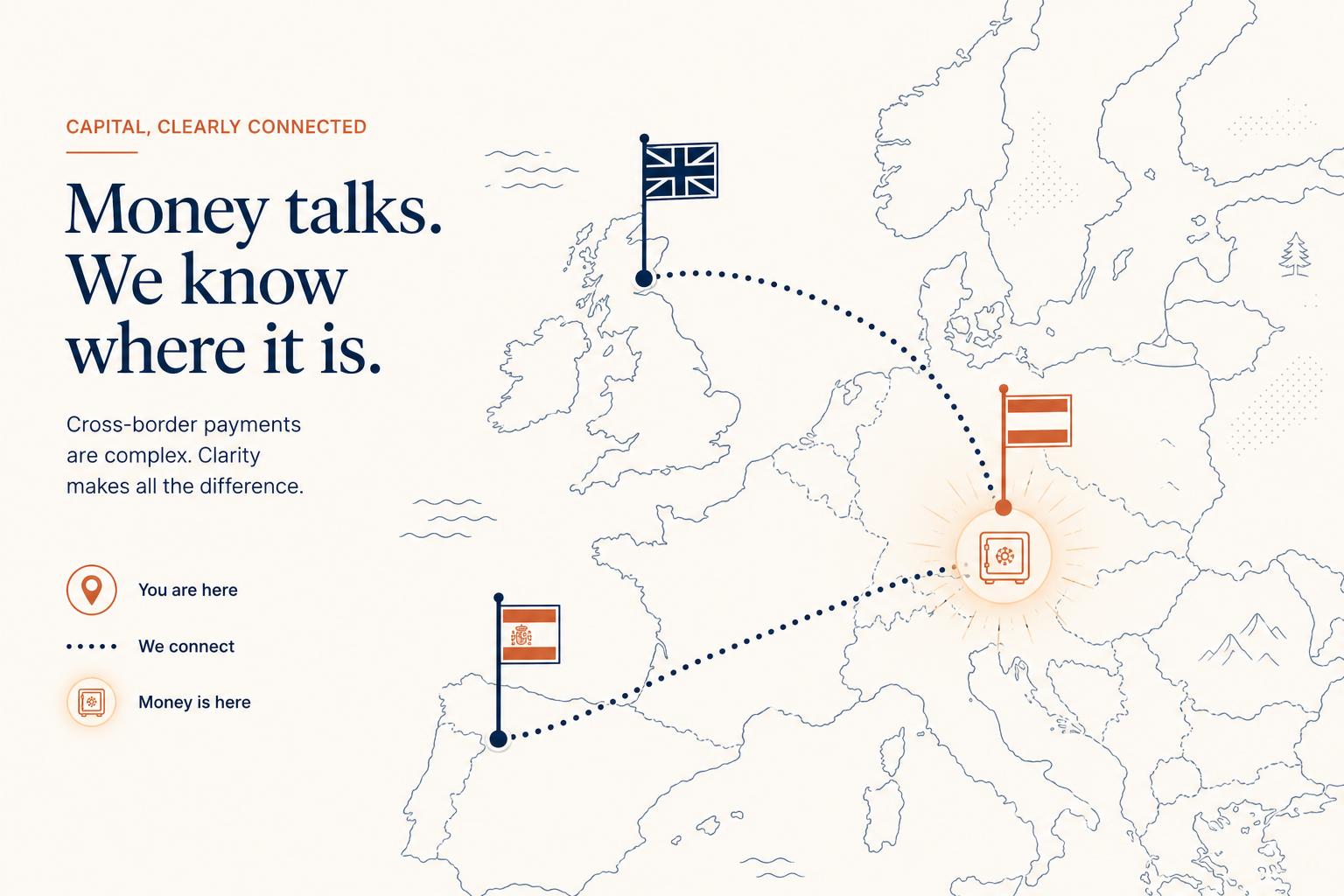
- European markets require different approaches: strong northern payment cultures contrast with delays and default exposure in parts of southern Europe.
- Assess country risk before extending credit, monitor insolvency signals and escalate overdue accounts before recovery prospects deteriorate.
- Match recovery expertise and DSO benchmarks to the debtor’s jurisdiction rather than relying on a single global process.
What this video covers
The video explains how a debtor’s location shapes the difficulty of recovering international B2B receivables. Drawing on Allianz Trade’s comparison of 52 economies, it examines a global collection-complexity score of 47.2 out of 100 and $1.1 trillion in receivables exposed to markets in the two highest complexity categories. Germany, the Netherlands and Portugal illustrate how efficient courts, workable insolvency procedures and reliable payment behaviour support collections. Saudi Arabia, Mexico and the UAE illustrate the opposite challenges, including obstacles to enforcing overseas judgments and less transparent insolvency processes. The comparison also shows why creditors should not treat Europe as a uniform market: Italy faces substantial late-payment exposure, while France and Spain require approaches informed by local conditions. A central lesson is that insolvency risk needs ongoing attention. The source forecasts corporate insolvencies reaching 24% above their pre-pandemic level by 2026, reinforcing the importance of monitoring debtor distress rather than relying solely on past payment records. For credit and receivables teams, the practical priorities are to evaluate jurisdictional risk during approval, act promptly on overdue balances and secure relevant local legal expertise. Recovery prospects weaken sharply beyond 90 days, with deterioration starting sooner in more complex markets. Collection procedures and DSO expectations therefore need to reflect country-specific realities.