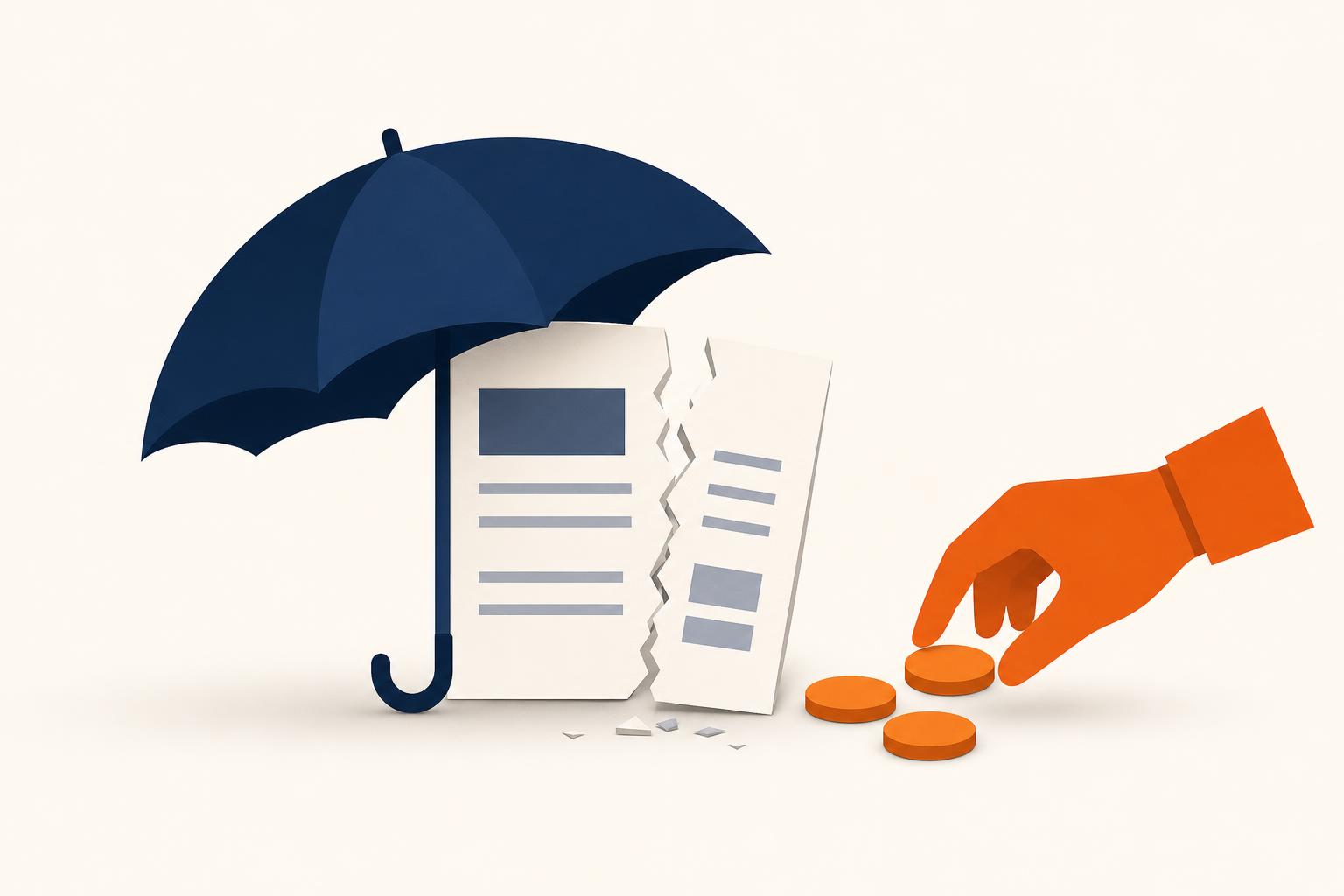
US Debt Hits 100% of GDP: B2B Payment Shockwave
This video examines the article’s account of US debt reaching the size of annual economic output and the implications for B2B creditors. It connects federal borrowing and higher refinancing costs with longer payment cycles, then explains why early collection activity matters when customers have limited cash.
Key takeaways
- Federal borrowing competes with commercial lending for capital, putting pressure on business credit availability and costs.
- Customers facing restricted financing may preserve cash by delaying supplier payments to 90 or 120 days.
- Higher refinancing costs and reduced credit-insurance availability add to suppliers’ exposure.
- Construction, commercial property, retail, healthcare, and technology businesses face distinct sources of payment pressure.
- Early, consistent, professional collection efforts can help creditors address overdue accounts before liquidity deteriorates further.
What this video covers
The video traces the connection between federal debt pressures and the invoices businesses depend on for cash flow. Drawing on the article’s description of US debt equaling annual GDP and annual interest costs reaching $1 trillion, it explains how government demand for capital can constrain commercial financing. Customers with more expensive or restricted credit may respond by postponing payments to suppliers. Viewers learn how this pressure appears in receivables: payment cycles extending toward 90 or 120 days, refinancing costs absorbing cash previously available for invoices, and insurers reducing coverage in exposed sectors. The video also outlines different sources of strain across commercial property and construction, retail, healthcare, and technology, from mortgage obligations to reimbursement dependence and tighter cash management. Another focus is the article’s warning about limited fiscal flexibility during a downturn. For creditors, the lesson is to assess payment risk without counting on government support to restore a struggling customer’s liquidity. The practical emphasis is on active receivables management. Monitoring overdue balances and intervening professionally early in delinquency can help establish payment urgency while customers still have funds available. The video closes by presenting COLLECTY’s international recovery capabilities as a resource for businesses navigating these collection challenges.