When Pepsi Became the World's 6th Largest Navy: The $3B Warship Payment
This video examines Pepsi’s $3 billion Soviet barter agreement and how decommissioned ships became payment for cola concentrate. It connects the deal to B2B collections, explaining how suppliers can assess asset value, secure possession, and arrange resale before accepting something other than cash.
Key takeaways
- Assess offered assets by their achievable liquidation proceeds, not the customer’s stated valuation.
- Verify market demand and identify buyers before agreeing to an asset-based settlement.
- Require prompt transfer rather than another promise of future payment or delivery.
- Check ownership and any liens, and record the transfer terms in writing.
- Distinguish saleable assets from private equity, future business, or services that may never produce cash.
What this video covers
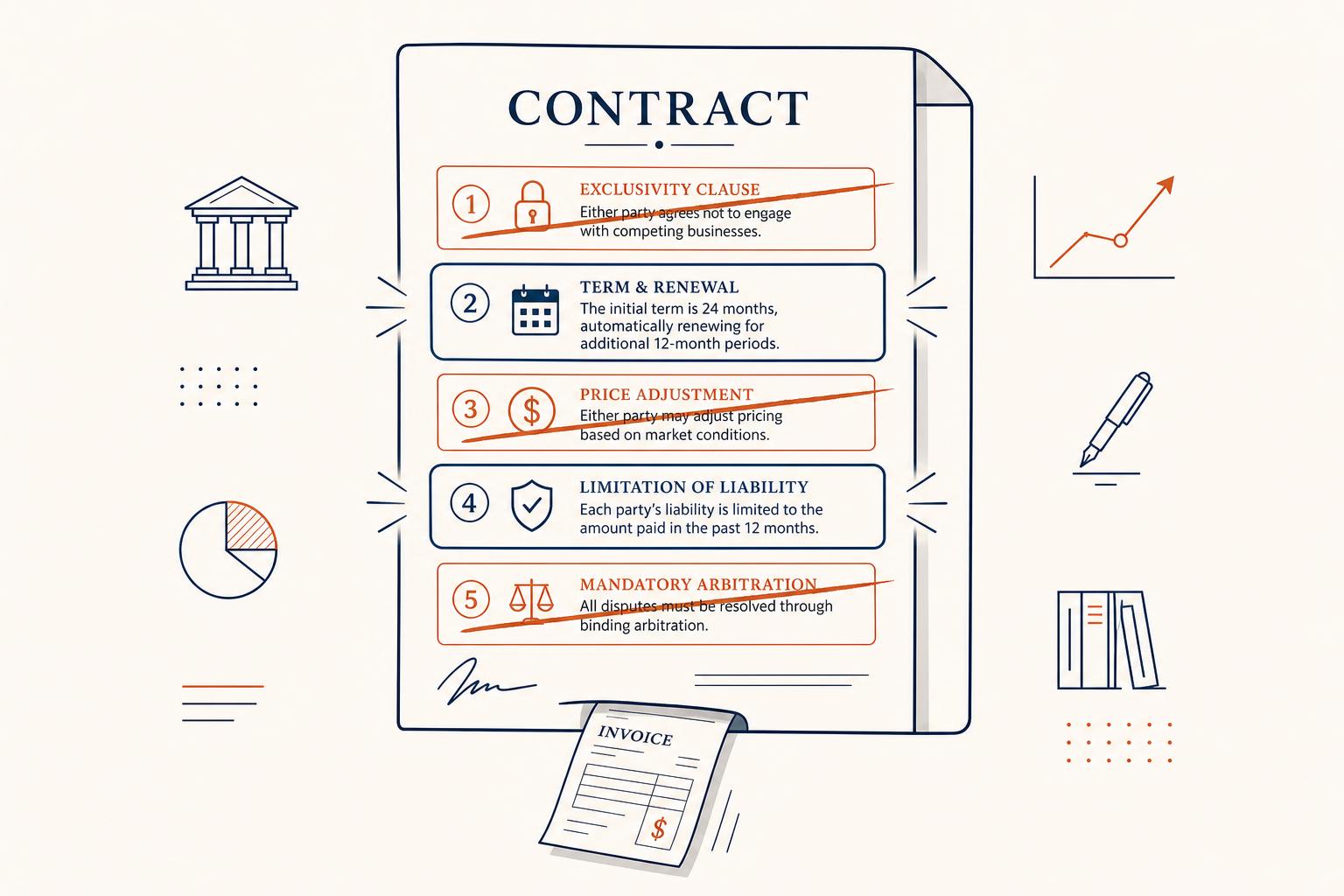
The video uses Pepsi’s Soviet barter arrangements to explain when accepting assets instead of cash can make commercial sense. With rubles unable to be exchanged for dollars, Pepsi initially accepted vodka that it could sell in the United States. The later warship agreement followed the same underlying logic: receive something with a resale market and turn it into money. Pepsi was not preparing to operate military vessels. The ships were destined for dismantling, with a ship-breaking partner providing a route to scrap proceeds. That distinction is central to the collections lesson: an unusual asset can support payment when its value and disposal route are established before acceptance. For B2B suppliers, the video presents four checks: speed of conversion to cash, independently assessable market value, prompt possession, and an arranged exit. It contrasts those conditions with offers involving private-company shares, future contracts, delayed asset transfers, or inventory without ready buyers. The practical guidance is to seek buyer bids, use liquidation value rather than book value, verify ownership and encumbrances, and document the agreement. Once assets transfer, selling promptly avoids leaving the supplier responsible for holding unwanted property. The objective is to recover cash, not replace an overdue invoice with another uncertain promise.