Hormuz Effect: Why Outstanding Invoices Just Became Riskier
This video explains how the Hormuz disruption can translate into slower customer payments and greater default risk. It traces the impact of rising energy and freight costs, compares regional exposure, and outlines steps finance teams can take to address vulnerable receivables.
Key takeaways
- Higher energy and shipping expenses can squeeze customer margins, leading businesses to prioritize some payments and postpone others.
- Payment conditions were already strained: 69% of finance leaders surveyed by Versapay reported more late customer payments over the preceding year.
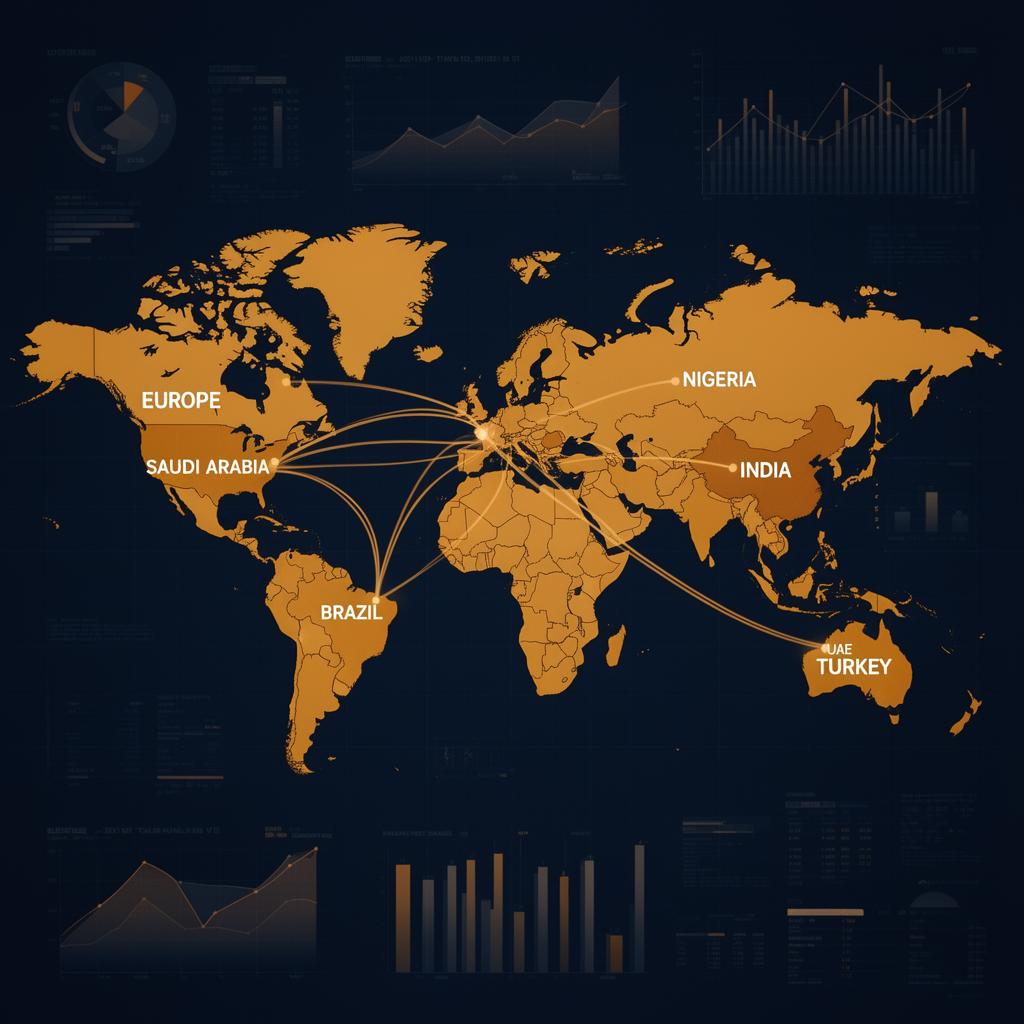
- The article identifies Middle Eastern and Gulf debtors as the most exposed, followed by Europe and energy-importing Asia-Pacific economies.
- Review receivables by debtor location, step up collection activity on overdue accounts in affected regions, and consider shorter terms for new business.
What this video covers
This video connects the disruption in the Strait of Hormuz to the collection risks facing B2B finance teams. It explains how an energy shock moves through freight charges, material costs, and operating budgets before appearing as delayed customer payments. As businesses protect payroll and essential suppliers, other invoices can fall further behind and become harder to recover. The video also puts that pressure in context. Before the disruption, Versapay’s survey of 400 senior finance leaders found that 69% had experienced an increase in late payments, while 78% said unforeseen receivables problems were changing investment and hiring plans. Small businesses globally were already owed an estimated $825 billion. Geography is another focus. The article places Middle Eastern and Gulf businesses in the highest exposure category, with European companies and major Asian energy importers also facing substantial pressure. Domestic energy production offers the U.S. and Canada some protection, but international payment delays can still affect their businesses. The practical lesson is to examine exposure before delays become entrenched. Finance teams are encouraged to segment outstanding balances by debtor country, escalate collection efforts for accounts nearing or exceeding their due dates in affected markets, and reconsider payment windows on new contracts.