FTX's $8B Accounting Error: When Your CEO 'Didn't Know' Where Your Money Went
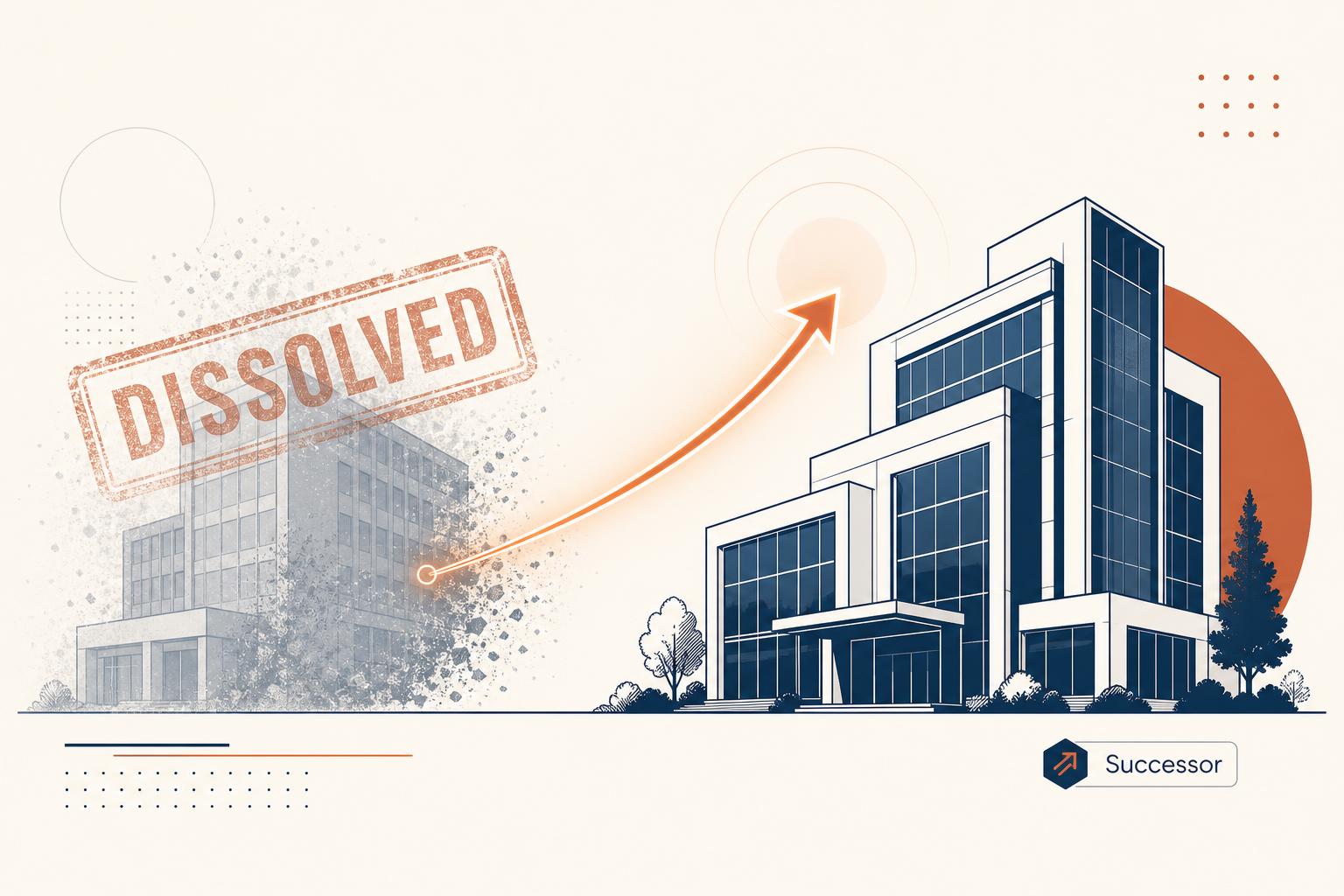
This video examines how FTX diverted customer deposits to Alameda Research, concealed the shortfall, and entered bankruptcy in November 2022. It connects that collapse to B2B collection risks, including unclear payment status, opaque corporate structures, and repeated attempts to shift responsibility.
Key takeaways
- Ask for a payment reference and a definite clearance date rather than accepting general assurances.
- Confirm the legal entity responsible for your invoice and whether it holds assets and generates revenue.
- Document recurring payment problems and escalate to someone authorized to resolve them.
- Investigate abrupt payment difficulties even when a customer recently appeared financially strong.
- Distinguish eventual recovery from timely access to cash: bankruptcy proceedings can leave funds unavailable for years.
What this video covers
The video uses FTX’s failure to explain why financial reputation and confident assurances are no substitute for payment visibility. Despite its $32 billion valuation, the exchange diverted customer money to Alameda Research, where it funded speculative activity and other spending. Manipulated records concealed the shortfall until withdrawal demands exposed the lack of available cash. Sam Bankman-Fried’s attempt to distance himself from financial oversight did not prevent his fraud conviction and 25-year prison sentence. For B2B suppliers, the practical lesson is to turn uncertain payment explanations into verifiable questions. Request transaction details and a specific clearance date. Establish which company actually owes the debt, particularly where several related entities make responsibility difficult to follow. Record recurring errors and move unresolved issues to a decision-maker rather than remaining caught between departments. The video also highlights sudden nonpayment after apparent commercial success as a reason to investigate promptly. A contact may genuinely lack information, but that still leaves the supplier without reliable visibility into payment. Finally, it distinguishes recovering money eventually from having cash when it is needed: asset recoveries and bankruptcy litigation can take years, leaving creditors exposed to immediate liquidity pressure.