How To Write Off Bad Debt: A Guide for B2B Companies
This video explains when a B2B debt may be ready for write-off, what documentation is needed, and how accounting methods affect tax treatment. It also compares the financial impact of a deduction with professional recovery and explains what happens if a written-off debt is later collected.
Key takeaways
- A lack of response to payment reminders does not establish that an invoice cannot be recovered.
- Consider write-off after reasonable recovery routes have been exhausted, with evidence such as insolvency findings or a professional collection assessment.
- Keep invoices, contracts, delivery records and collection correspondence to support the deduction.
- Accrual accounting allows relief for qualifying unpaid revenue already recognised; cash accounting generally offers no deduction for income never received.
- Money recovered after a write-off must be declared as income in the year it arrives.
What this video covers
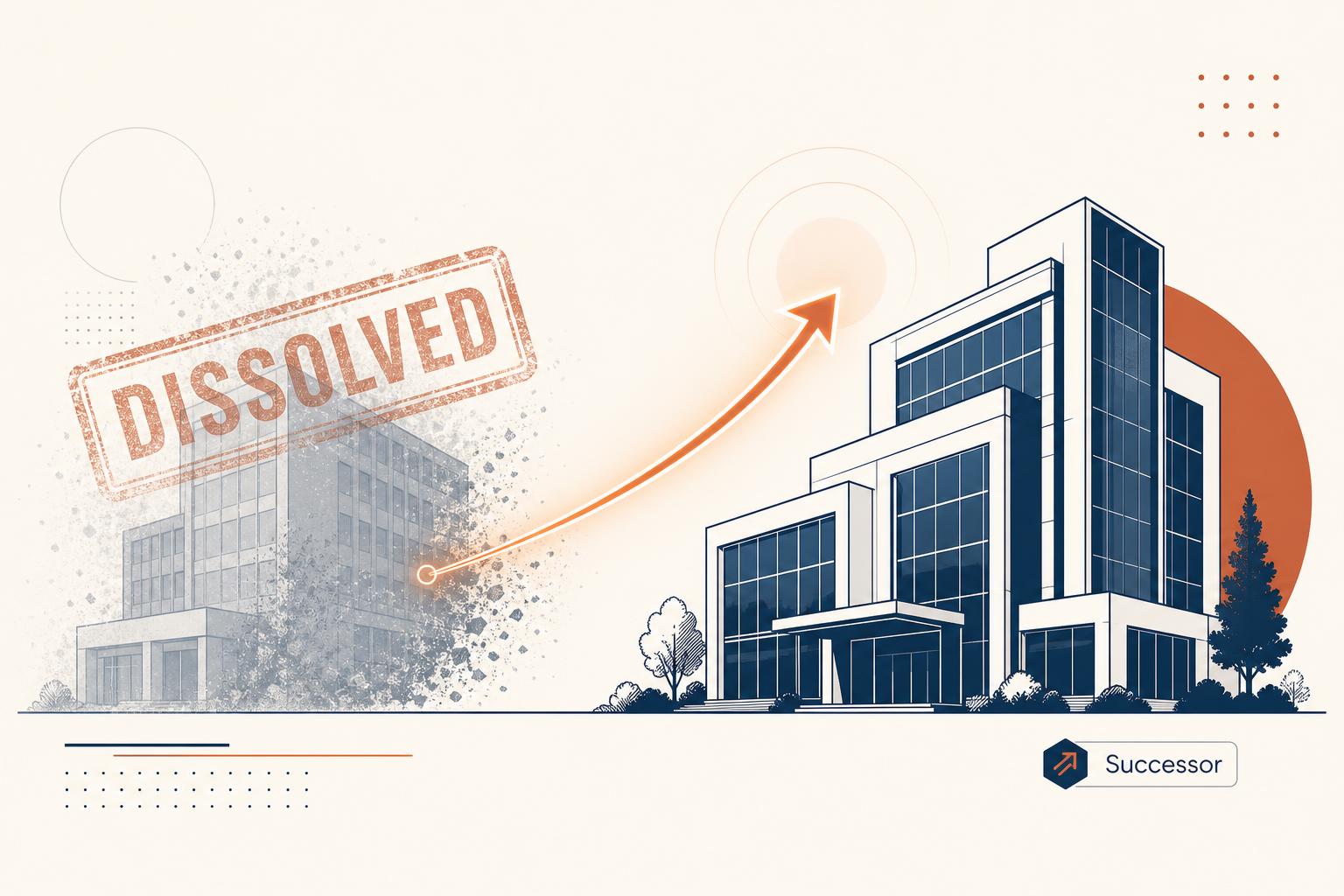
The video distinguishes between an overdue invoice and a debt that genuinely cannot be recovered. It explains why unanswered reminders alone are not enough to establish a loss and why professional collection should be considered before a write-off. You learn about circumstances that can support a write-off decision: insolvency with no expected payment to unsecured creditors, dissolution without a successor, or a recovery process that has exhausted viable options. Supporting records include the invoice, underlying contract, delivery evidence, correspondence and documentation explaining why recovery is no longer possible. The video also covers accounting treatment. For accrual-basis businesses, writing off previously recognised revenue involves increasing bad debt expense and reducing receivables. Cash-basis businesses have not recognised unpaid income, so that missing payment does not create a deduction. Specific requirements depend on the jurisdiction and accounting method. Finally, the video compares tax relief with cash recovery. Its examples show how collecting even part of an invoice can deliver more value than a deduction alone. An unsuccessful professional recovery effort can provide evidence for a subsequent write-off. If payment arrives after the debt has been written off, the recovered money must be reported as income for that year.