France 2026: Business Failures, New PME Cash Discipline
This video examines how payment delays, business failures, and differences in national recovery procedures affect B2B cash planning in 2026. It explains how finance teams can tailor escalation, dispute handling, and commercial terms to local risk rather than applying the same collections process everywhere.
Key takeaways
- Assess country exposure using payment patterns, insolvency conditions, and obstacles to recovery.
- Set earlier escalation points in higher-friction markets, with clear accountability and specialist referral thresholds.
- Track dispute causes and resolution times to address recurring operational problems.
- Adapt payment terms where persistent customer behavior makes standard conditions unsuitable.
- Use a four-week rollout to establish exposure baselines, assign escalation ownership, introduce preventive checks, and review policy with sales.
What this video covers
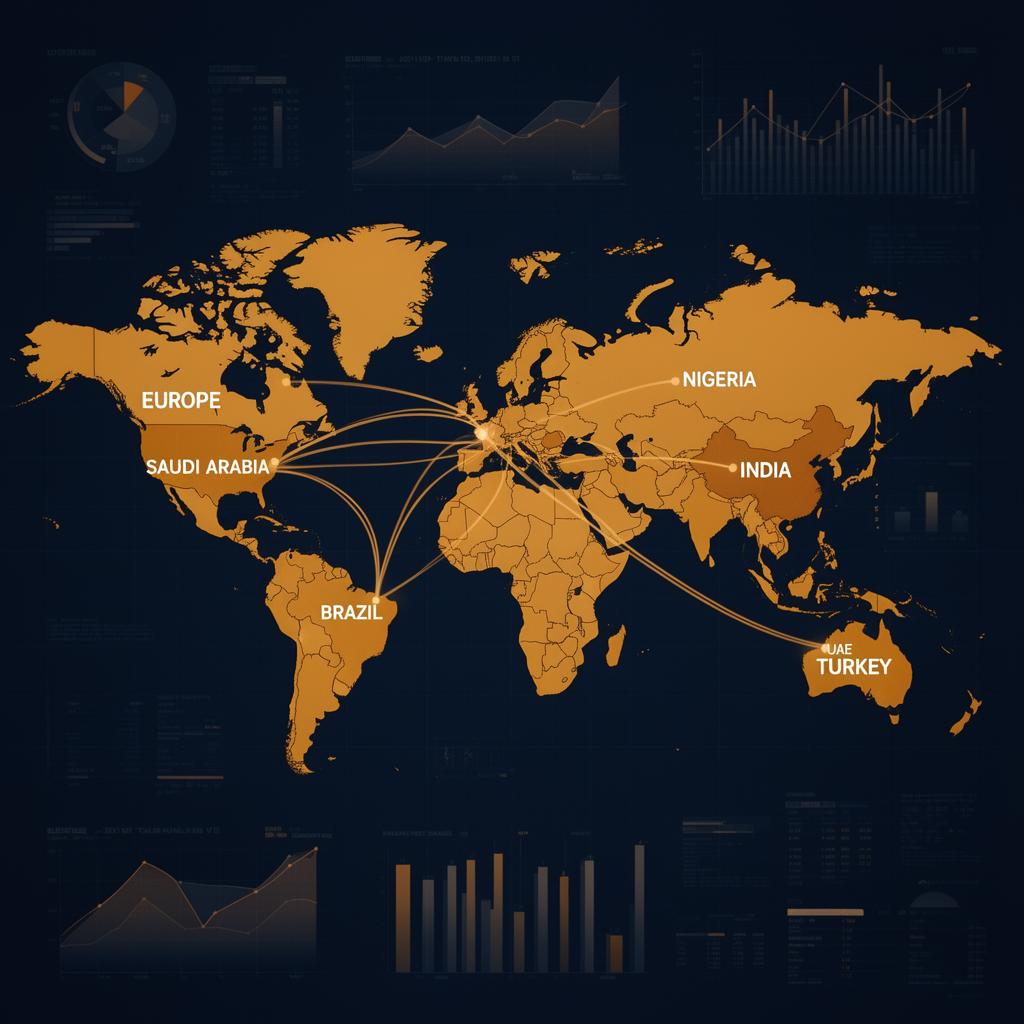
The video explains why receivables management in 2026 requires more than consistent invoice follow-up. Across European and UK markets, persistent payment delays combine with differing insolvency conditions and recovery procedures, making local context important to cash forecasts and collection decisions. A standard escalation timetable can leave finance teams acting too slowly where recovery is more difficult. Viewers learn how to build a more differentiated approach. Country risk bands should consider payment behavior, business-failure pressure, and procedural barriers to recovery. Markets with greater friction warrant earlier intervention, closer monitoring of payment commitments, and defined points for involving specialists. Recording why disputes arise and how long they take to resolve helps teams correct recurring problems at their source. Commercial terms should also reflect sustained differences in payment risk. The video outlines a four-week implementation sequence: map overdue exposure by country, customer category, and invoice age; establish local escalation triggers and responsibilities; introduce payment confirmations before invoices fall due for higher-risk accounts and classify disputes; then review results with finance and sales leaders. The initial benefit may be more dependable cash planning rather than an immediate reduction in days sales outstanding, helping reduce the need for urgent treasury responses.