How inadequate anti-money laundering controls let Mexican drug cartels use HSBC as their personal bank — and what B2B companies can learn from the largest banking penalty in history
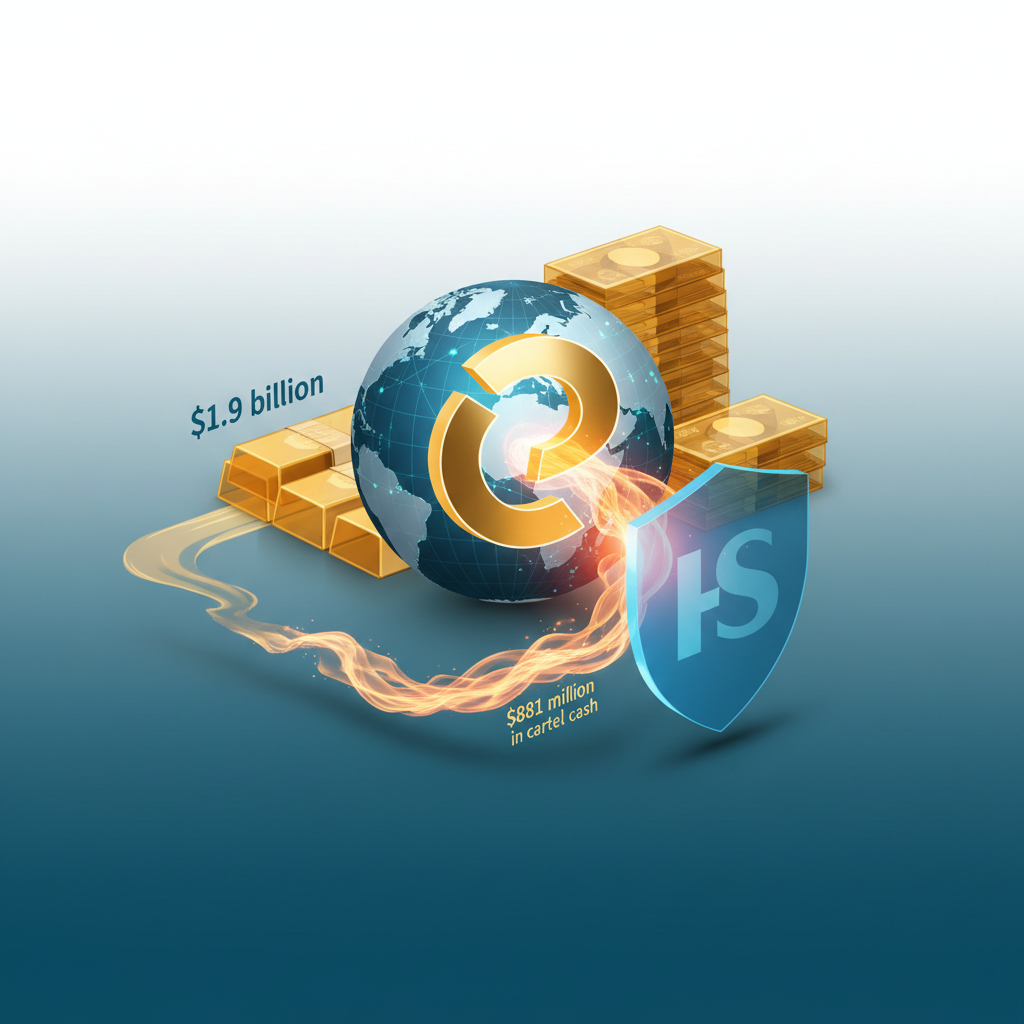
In December 2012, HSBC agreed to pay $1.9 billion to settle allegations that it had laundered money for Mexican and Colombian drug cartels. The amount was unprecedented. The excuse was worse: "We had weak anti-money laundering controls."
For years, HSBC's Mexico branch had processed $881 million in cartel money without asking basic questions about where it came from. Thousands of suspicious transactions were flagged and ignored. Compliance systems rated "inadequate" remained unfixed.
The result? The largest bank penalty in US history and a case study in what happens when payment processing speed matters more than payment legitimacy.
What Actually Happened: $881 Million in Plain Sight
A professional overseas invoice collection service does more than send reminder emails. Here's the real workflow:
Nothing happened
The best agencies don't just chase—they diagnose why you're not getting paid first.
Why This Matters for B2B Cross-Border Payments
HSBC's $1.9 billion fine seems distant from typical B2B operations. It's not.
Cross-border payment compliance is intensifying:
2024 Fraud Statistics:
• 79% of US organizations faced payment fraud attempts (Association of Finance Professionals) • 72% of merchants report higher payment failure rates for cross-border vs domestic transactions • 11% average failure rate for international B2B payments • 90-95% false positive rate on AML alerts (Datos Insights)
The compliance paradox:
Banks and payment processors are simultaneously: • Over-screening legitimate transactions (causing delays) • Under-screening actual threats (missing cartels)
For B2B companies, this creates friction:
Scenario 1: Your payment gets flagged
You're shipping €500K in machinery to a legitimate buyer in Mexico. Your bank freezes the wire transfer for "enhanced due diligence." You provide: • Commercial invoices • Shipping documentation • Customer background • Source of funds verification
Three weeks later, the payment clears. Your customer is furious. You've lost credibility.
Scenario 2: Your customer's payment fails AML checks
They're legitimate. Their bank isn't convinced. The payment bounces. You've shipped goods. Now you're doing international debt collection with no payment received.
Scenario 3: You're HSBC
You process everything quickly to avoid friction. You miss $881 million in cartel money. The fine costs more than your annual profit.
The lesson: compliance friction is expensive, but compliance failure is catastrophic.
What B2B Companies Can Learn From HSBC's Disaster
HSBC's mistake wasn't processing international payments. It was processing them without asking questions.
Three strategies prevent HSBC-scale problems:
1. Know Your Customer Before They Become Your Customer
HSBC processed payments for clients it didn't understand. Don't make the same mistake.
Before accepting large international orders: • Verify company registration in home country • Check ultimate beneficial ownership • Review public records for sanctions/legal issues • Validate business legitimacy (website, physical address, references)
Cost: €500-€2,000 per customer due diligence check Benefit: Avoiding €500K shipments to fake companies
2. Implement Tiered Transaction Monitoring
HSBC's problem was treating all transactions equally. Some needed more scrutiny.
Tiered approach:
Low risk (<€10K, established customer, normal pattern): Automated processing **Medium risk** (€10K-€100K, new customer, slight anomaly): Enhanced documentation **High risk** (>€100K, unusual pattern, high-risk country): Manual review + verification call
This isn't about blocking legitimate business. It's about knowing when to ask questions.
3. Build Compliance Into Contracts, Not Just Operations
HSBC's compliance happened (or didn't) after payments were initiated. Better approach: make it contractual.
Include in international contracts: • Source of funds representations • Beneficial ownership disclosure requirements • Right to request additional documentation • Payment approval timelines (accounting for compliance delays)
This sets expectations. When your bank flags a payment for review, your customer already knows it's possible.
The cost-benefit reality:
HSBC's compliance failures cost $1.9 billion in fines plus immeasurable reputational damage.
Implementing proper AML systems would have cost tens of millions.
The ROI on compliance isn't avoiding fines. It's avoiding the business relationships that lead to fines.
Key Takeaways
- HSBC paid $1.9 billion for laundering $881 million in cartel money (2012)
- Compliance systems flagged suspicious activity for years — bank ignored it
- 79% of US organizations faced payment fraud attempts in 2024
- Cross-border B2B payments have 11% average failure rate vs domestic
- Know-your-customer due diligence costs €500-€2,000; failures cost millions
Conclusion
HSBC's $1.9 billion fine bought the banking industry an expensive lesson: "inadequate" compliance isn't a defense, it's an admission.
For B2B companies operating internationally, the takeaway isn't "process fewer payments." It's "process smarter payments."
Know your customers. Monitor your transactions. Build compliance into contracts, not just operations.
The friction of enhanced due diligence is annoying. The cost of processing payments without asking questions is catastrophic.
HSBC learned that lesson at $1.9 billion. You don't have to.
Collecty's international payment risk specialists help B2B companies verify customers and secure payments across 50+ countries. We know which red flags matter and which are false alarms. Contact us for a payment risk assessment before your next large international deal.

Sarah Lindberg
International Operations Lead
Sarah coordinates our global partner network across 160+ countries, ensuring seamless cross-border debt recovery.