Strait of Hormuz Closed: What Happens to Invoices
This video traces how a Strait of Hormuz closure can disrupt B2B payment cycles through higher energy costs, shipping delays and tighter credit. It identifies exposed sectors and explains why creditors should review receivables and accelerate recovery efforts.
Key takeaways
- Higher fuel and insurance bills can divert cash away from supplier invoices.
- Supply shocks can double Days Sales Outstanding, with invoices already 60 days late potentially exceeding 120 days overdue.
- Manufacturing, construction, logistics and agriculture face exposure through disrupted supplies and rising costs.
- Creditors should assess customers’ dependence on Gulf shipping, including businesses located outside the region.
- Earlier recovery action and cross-border legal expertise are central to the response outlined in the video.
What this video covers
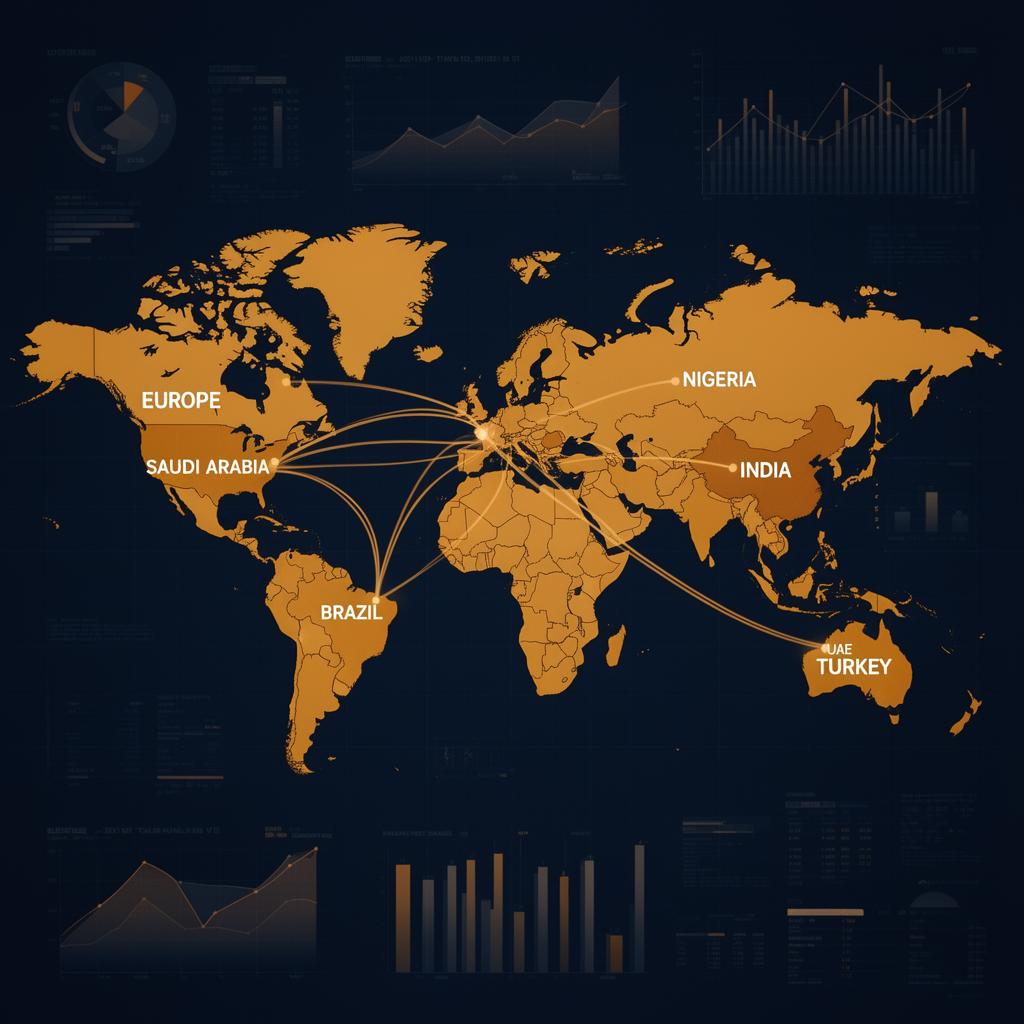
The video explains how disruption at the Strait of Hormuz can spread from shipping routes into business receivables. With a fifth of global oil and LNG moving through the passage, interruptions can raise energy and transport costs while reducing access to trade credit. Customers may then use available cash to keep operating rather than settle supplier accounts. It follows the resulting payment delays: supply shocks can double Days Sales Outstanding, and invoices already two months late risk remaining unpaid beyond four months. Higher cargo insurance premiums and longer alternative routes put additional pressure on revenue and margins. The sector breakdown covers manufacturers and construction businesses facing material shortages and budget pressure, alongside logistics and agricultural companies exposed to fuel and fertilizer costs. The video also explains how prolonged uncertainty can cause debtors to stop responding, while withdrawn receivables coverage leaves creditors more exposed. For creditors, the practical focus is on identifying customers whose operations depend on Gulf shipping and shortening collection timelines rather than relying on a 90-day approach. It closes by highlighting the importance of recovery expertise across jurisdictions and introducing COLLECTY’s network spanning more than 100 countries and its 25 years of experience.