Fashion Payment Terms UK vs France 2024-2025
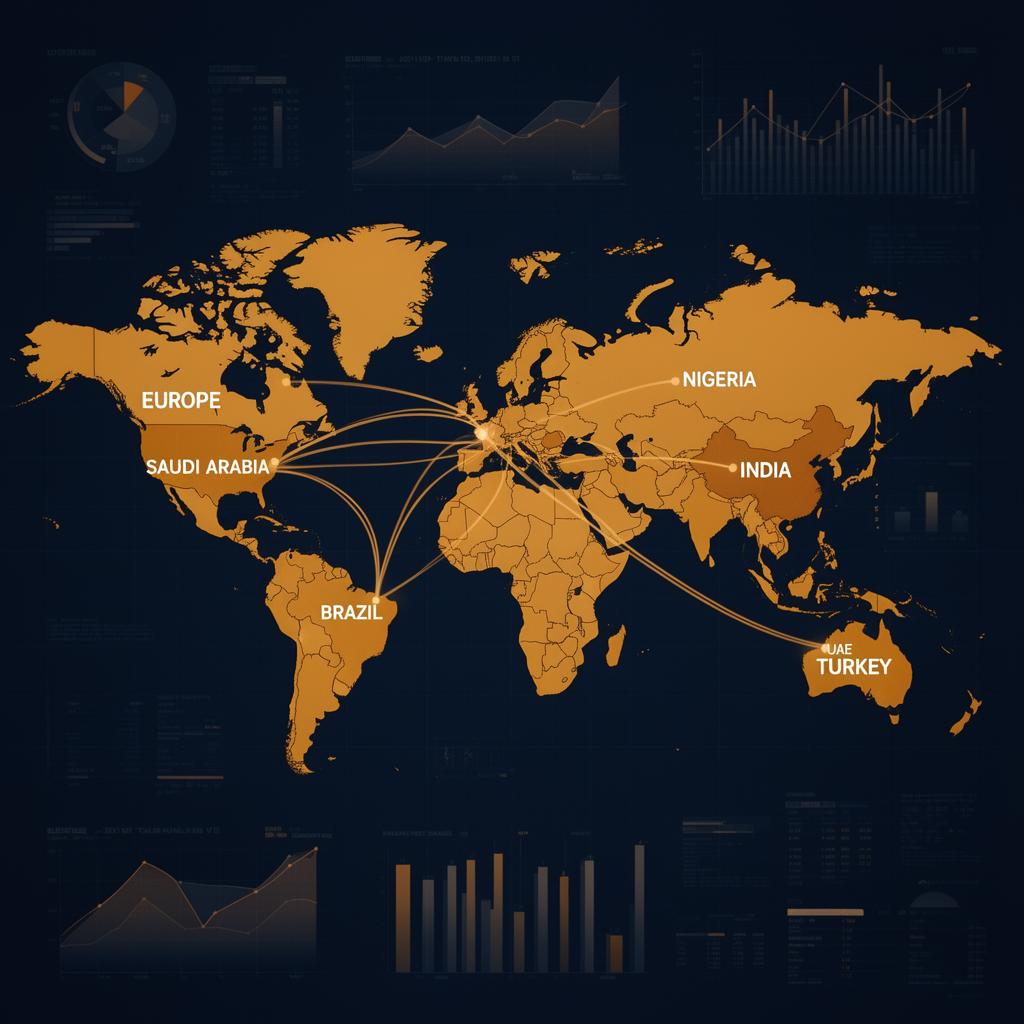
This video examines the difference between agreed payment terms and when fashion businesses actually receive cash in the UK and France during 2024–2025. It explains how country-specific collection routines, clear dispute ownership and delay stress tests can help finance teams manage liquidity risk.
Key takeaways
- Distinguish UK approval and documentation delays from French retail restructuring and returns-related payment disputes.
- Review overdue balances weekly and seek written payment commitments after the first missed due date.
- Model payment delays of 10 and 20 days to assess pressure on available cash and borrowing costs.
- Assign responsibility for disputed invoices and use separate country scorecards to guide collections and escalation.
What this video covers
The video explains why standard B2B terms of 30–60 days do not fully capture payment risk in the UK and French fashion sectors. Finance teams need to measure the difference between invoice due dates and cash receipt, then understand the local processes behind that delay. In the UK, stronger policy attention to late payment has supported better governance, but approval bottlenecks and repeated documentation requests still impede collections. In France, changes across retail can extend payment timelines without revised agreements, while returns disputes and exposure to major wholesale buyers require close attention. The practical approach is to replace reliance on frequent automated reminders with weekly, country-specific reviews. Teams should obtain written commitments once a payment is overdue, allocate responsibility for disputes involving returns or deductions, and track patterns across customer groups. Local scorecards make responsibility and next steps clearer. The video also covers stress testing at 10- and 20-day payment delays to evaluate the effect on cash reserves and financing costs. Recurring lateness should inform credit decisions because it can precede restructuring or insolvency. Together, these measures help CFOs connect collection activity with exposure limits, escalation decisions and liquidity planning.