The Ever Given Effect: When One Stuck Ship Teaches the World About Payment Timing
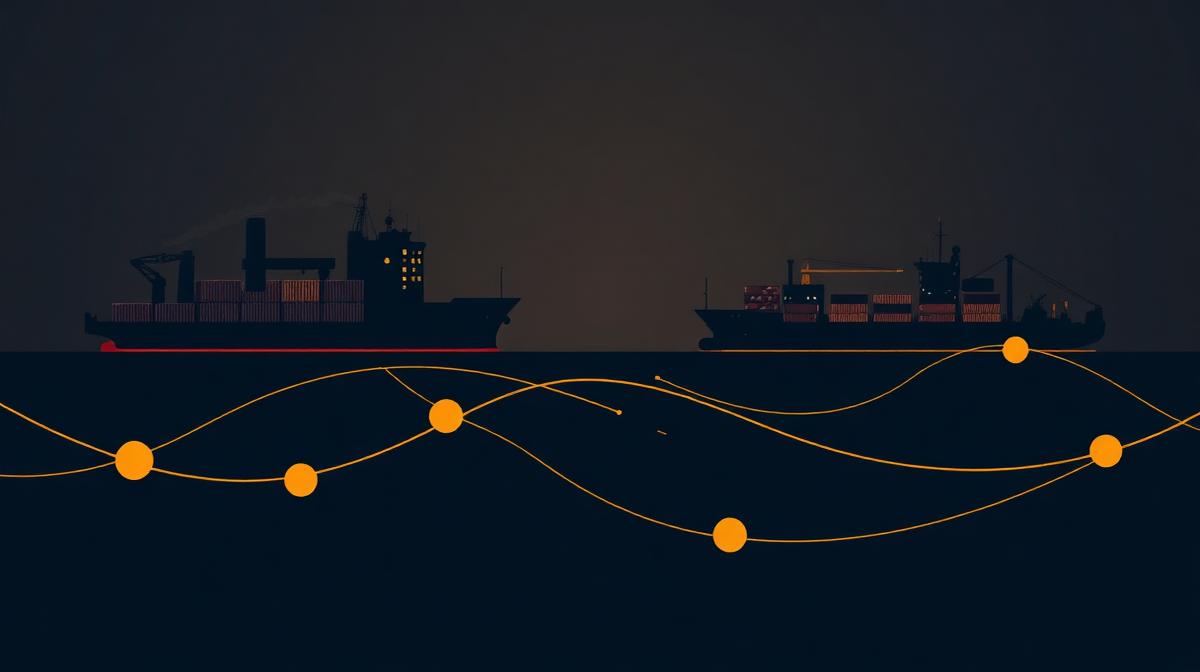
The Suez Canal blockage by the Ever Given wasn't just a headline-grabbing maritime event; it was a stark, real-time demonstration of how interconnected global supply chains are and, more importantly, how vulnerable your cash flow can be. For international creditors, CFOs, and accounts receivable professionals, this incident is a critical case study. You witnessed firsthand how a single point of failure can create cascading delays, impacting everything from raw material delivery to finished goods reaching their destination. This translates directly to your bottom line. When goods are stuck, payments are delayed. Your cash conversion cycle lengthens, potentially straining working capital and impacting your ability to meet your own financial obligations. Understanding the 'Ever Given Effect' is about recognizing the inherent risks in international trade and proactively strengthening your payment timing strategies to mitigate such disruptions, ensuring operational continuity and financial stability, no matter what global events unfold.
Key takeaways
- Fortify your payment terms to absorb global supply chain disruptions.
- Proactively manage international payment timing to protect working capital.
- Assess and mitigate the financial impact of logistical delays.