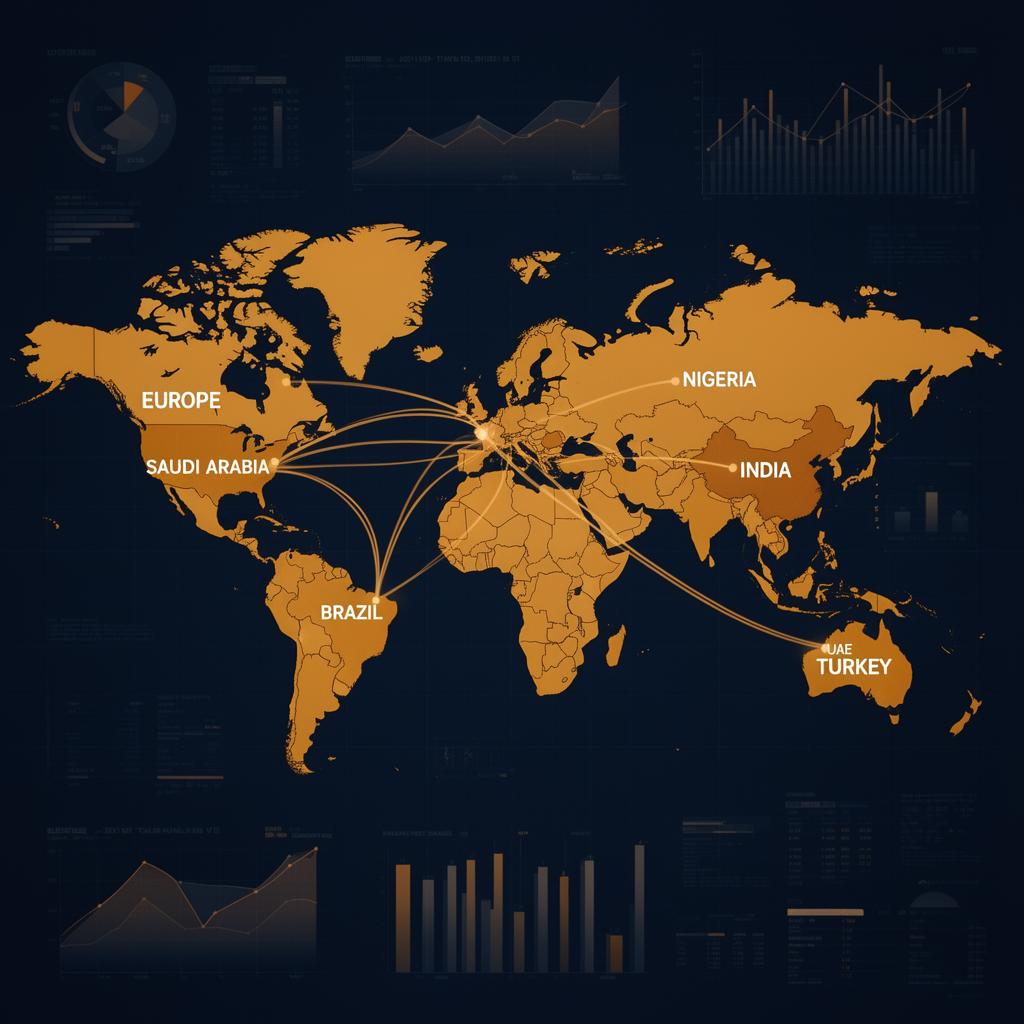
The 2026 Cash-Flow Fear Index (EU B2B)
This video explores why European B2B businesses can remain confident about sales while becoming less certain about when customers will pay. It explains how finance leaders can spot concentrated exposure, address payment obstacles earlier, and introduce stronger receivables controls over four weeks.
Key takeaways
- Look beyond overall DSO to identify deteriorating payment behavior within individual accounts, segments, and markets.
- Review higher-risk customers weekly and confirm payment readiness before invoices fall due.
- Classify disputes by cause, track how long they take to resolve, and assign clear responsibility.
- Set explicit escalation deadlines and address missed handoffs before investing in additional tools.
- Monitor emerging overdue balances, payment commitments, dispute duration, and exposure to major late-paying accounts.
What this video covers
The video explains how repeated payment delays can weaken liquidity planning before financial reports reveal the full impact. In 2026, more cautious buyers, complex international workflows, and monthly receivables reviews are contributing to a gap between changing payment risk and management response. A central lesson is that portfolio averages can conceal serious problems. Finance leaders need to examine where overdue exposure is accumulating and distinguish delays at strategically important customers from those at smaller accounts. This makes intervention more targeted than relying on aging categories alone. The video outlines a four-week implementation plan: map exposure, introduce reviews based on customer risk, establish payment confirmations ahead of due dates, and formalize escalation deadlines. It also shows why disputes should inform process improvements rather than simply generate more reminders. Recording causes, resolution duration, and responsible teams helps reveal recurring obstacles. For ongoing governance, the guidance favors brief weekly risk meetings, consistent communication at each collection stage, and clear accountability for escalation. Useful measures include the rate at which invoices become overdue, the dependability of payment promises, and overdue exposure among major customers. Specialized cross-border B2B recovery support can help resolve avoidable delays and pursue outstanding capital while retaining business relationships where feasible. The emphasis throughout is on faster decisions and consistent execution, not replacing the ERP.